2026 Best Custom Titanium Plate Suppliers for Global Buyers?
Choosing a reliable supplier is central to this 2026 guide for global buyers seeking Custom Titanium Plate. Price matters, but it rarely tells the complete story. A low quotation may hide limited traceability, inconsistent flatness, or weak export support.
M. J. Donachie Jr., a respected titanium materials specialist, wrote, “Titanium is a reactive metal.” That short observation explains many purchasing risks. Titanium plate requires controlled melting, careful hot working, and disciplined surface treatment. Buyers should examine alloy grades, such as Grade 2 and Grade 5, before comparing suppliers. They should also confirm thickness tolerance, plate dimensions, ultrasonic testing, and heat-treatment records. Mill test certificates must match the delivered material, not merely the sales quotation.
Details reveal capability. A dependable supplier can explain its melt source, inspection equipment, packaging method, and response process for nonconforming material. Crates should protect machined edges from impact and moisture during ocean transport. Certificates should identify the heat number clearly. Communication matters too, especially when time zones and technical terminology create confusion.
Yet supplier rankings are never completely objective. A manufacturer serving aerospace programs may not suit a small medical-device buyer. Some companies advertise broad inventories but rely heavily on external processing. That deserves closer questioning. This article compares leading Custom Titanium Plate suppliers through quality evidence, production experience, certifications, delivery performance, and buyer support. It also recognizes an uncomfortable truth: even a reputable supplier can make an occasional mistake. Strong systems do not eliminate risk; they make problems visible, traceable, and correctable.
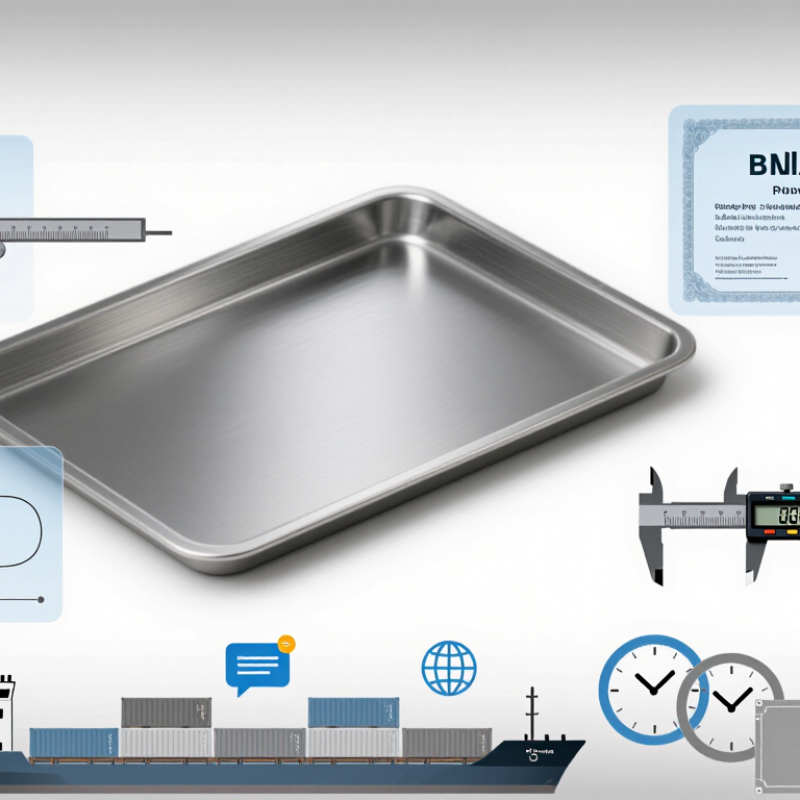
2026 Market Scope: What Global Buyers Need from Titanium Plate Suppliers
In 2026, global buyers need more than competitive pricing from custom titanium plate suppliers. They need stable quality, clear documentation, and practical engineering support. Titanium plates may serve aerospace, medical, chemical processing, marine, and energy applications. Each sector demands different grades, thickness tolerances, surface finishes, and testing procedures.
Reliable suppliers should provide material certificates, heat numbers, dimensional reports, and traceable production records. Independent inspection can reduce uncertainty for critical orders. Buyers should also confirm compliance with the required international or industry standards before production begins. Lead time matters, especially when plates require custom cutting, machining, or special surface treatment. Strong suppliers explain limitations early instead of promising everything.
Tips: Request a sample inspection plan before placing a large order. Confirm packing methods for long-distance transport. Ask how rejected material is handled. Keep communication records.
Experience shows that small details can create major delays. A missing certificate or unclear tolerance may stop an entire production line. However, buyers can sometimes focus too heavily on documents and overlook supplier responsiveness. That is a mistake. A technically qualified supplier should answer design questions clearly and identify risks before manufacturing. No supplier gets every detail right. What matters is transparent correction, documented action, and consistent follow-through. Global buyers should compare total supply reliability, not only the quoted plate price.
Titanium Plate Grades and ASTM B265 Data: Grade 2 vs Grade 5
2026 Best Custom Titanium Plate Suppliers for Global Buyers?
ASTM B265 is a practical reference when comparing titanium plate suppliers. Grade 2 is commercially pure titanium, valued for corrosion resistance, weldability, and easier forming. Grade 5 is Ti-6Al-4V, designed for higher strength and demanding structural applications. It is less forgiving during forming and machining.
For annealed plate, ASTM B265 commonly lists Grade 2 minimum tensile strength near 345 MPa and yield strength near 275 MPa.
Grade 5 typically reaches about 895 MPa tensile strength and 828 MPa yield strength.
Exact values depend on product form, thickness, heat treatment, and the applicable standard edition. Check the certificate carefully.
A reliable custom supplier should provide heat numbers, chemical analysis, mechanical results, thickness tolerance, flatness data, and surface inspection records.
Ask whether ultrasonic testing is available for critical plate. Grade 2 often suits heat exchangers, chemical equipment, and formed components. Grade 5 fits lightweight frames, pressure-related structures, and high-load parts. That detail matters.
The comparison is not perfectly clean. Higher strength does not automatically mean better service life. Poor forming, excessive surface damage, or unsuitable welding practice can reduce performance.
I would also question certificates that show only “ASTM compliant” without test results.
Request samples when tolerances are tight. A small trial can expose springback, cutting distortion, or surface defects before full production.
Custom Manufacturing Checks: Tolerances, Sizes, Surface Finish, and Testing
2026 Best Custom Titanium Plate Suppliers for Global Buyers?
Custom manufacturing checks should begin with tolerances, not attractive catalog photos. Confirm thickness, length, width, flatness, and hole locations on one controlled drawing. A tolerance of ±0.05 mm may suit a precision component, but it can increase machining cost sharply. Larger structural plates often need wider limits. Ask how measurements are taken.
Size capability matters beyond the maximum advertised plate. Suppliers should explain cutting methods, edge conditions, and size stability after machining. Request a dimensional inspection report from the actual production batch. Calibrated tools matter. So does operator experience.
Surface finish needs a measurable target. Specify roughness values, polishing direction, discoloration limits, and acceptable scratches. A bright surface may look impressive but reveal distortion under inspection lighting. Surface treatment can also affect dimensions. This detail is often missed.
Testing should match the application and titanium grade. Request chemical composition, tensile strength, yield strength, elongation, hardness, and ultrasonic or other non-destructive testing when required. Independent laboratory verification adds confidence for critical orders. Traceability should connect each report to the heat number and plate.
Small samples can mislead. A full-size plate may warp differently. That is my concern after seeing good samples followed by uneven production batches. Require pre-shipment inspection, packaging photos, and clear handling records. Suppliers that welcome these checks usually communicate more reliably, though no process is flawless.
2026 Custom Titanium Plate Supplier Checks for Global Buyers
ASTM B265 Grade 5 titanium plate reference values for supplier qualification. The chart shows minimum room-temperature mechanical properties; dimensional tolerances, sizes, surface finish, and additional testing should be confirmed against the purchase specification and applicable standard edition.
Dimensional Tolerances Confirm thickness, width, length, flatness, and edge condition against ASTM B265 or the approved drawing.
Available Sizes Specify finished dimensions, allowable oversize for machining, quantity, and cut-length requirements before quotation.
Surface Finish State whether the plate is hot rolled, cold rolled, machined, blasted, pickled, or polished, including any Ra target.
Testing Documents Request a material test report covering chemistry, tensile properties, heat treatment, dimensions, and agreed non-destructive testing.
Reference basis: ASTM B265 Grade 5 titanium plate minimum tensile strength of 895 MPa and minimum yield strength of 828 MPa. Actual acceptance limits depend on grade, thickness, product form, purchase order, and governing standard.


