2026 Top LED Screen Trends Buyers Should Know?
As the demand for visually engaging technology grows, the LED Screen market is transforming rapidly. By 2026, new trends will play a significant role in how buyers select LED screens for various applications. This evolution not only affects commercial spaces but also personal use, showcasing the versatility of LED screens.
Innovations in resolution, energy efficiency, and design will shape purchasing decisions. High dynamic range (HDR) and ultra-high definition (UHD) are becoming standard preferences. Buyers must also consider environmental impacts, opting for energy-saving solutions that do not compromise quality. However, navigating these trends can be challenging. Many buyers may feel overwhelmed by the options available.
Staying informed about technological advancements is crucial. With so many LED screen options, buyers have both opportunities and obstacles. Relying solely on brand reputation may not guarantee the best choice. Attention to user reviews and expert opinions can provide critical insights. The future of LED screens is bright, and understanding upcoming trends is essential for making informed decisions.
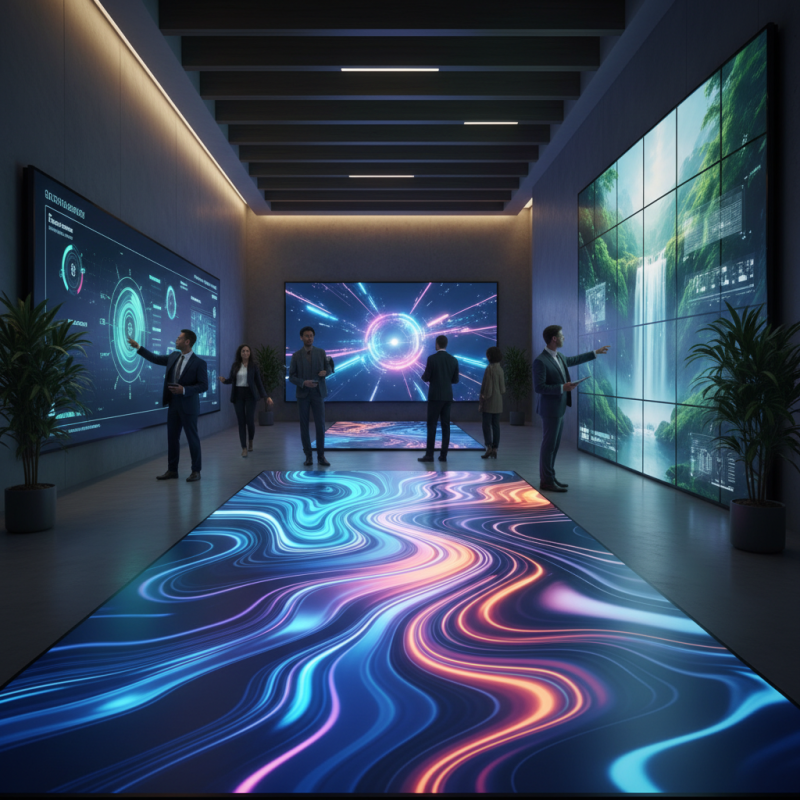
2026 LED Screen Market Overview: Key Statistics and Projections
The LED screen market is evolving rapidly. By 2026, it’s projected to reach unprecedented growth. Key statistics indicate increased demand across various sectors. Events, advertising, and even retail are leading the charge. Visual technology is easier to access. Higher-quality displays are becoming standard.
Emerging trends highlight the importance of sustainability. Eco-friendly materials are in focus. Buyers are increasingly seeking energy-efficient options. These decisions impact both branding and cost. Additionally, user experience is crucial. Interactive and immersive displays are becoming the norm. However, integrating such technology comes with challenges.
Data privacy remains a concern for many buyers. As screens collect more data, companies must tread carefully. Balancing innovation with ethics is essential. This landscape invites ongoing reflection on responsible practices. Adapting to these shifts is not just necessary; it’s imperative for market success.
Emerging Technologies in LED Screens: MicroLED and MiniLED Innovations
The future of LED screens is bright, with MicroLED and MiniLED technologies leading the way. MicroLED offers several advantages over traditional displays. Each pixel is an individual LED, allowing for exceptional contrast and vibrant colors. This results in stunning images that capture attention. The technology also enables thinner screens, ideal for sleek designs in modern settings.
MiniLED is another breakthrough, enhancing backlighting in LCD screens. By using smaller LEDs, it creates a more uniform brightness. This results in striking details in dark scenes, improving overall viewing experiences. However, while these innovations bring excitement, they also pose challenges. The manufacturing process can be complex. This may lead to increased costs. Buyers should consider these factors when exploring options.
As these technologies evolve, staying informed is crucial. Understanding their advantages and limitations helps make informed decisions. The shift toward MicroLED and MiniLED may transform entertainment and digital signage. However, it's essential to approach these developments critically, weighing both the benefits and the costs. The path ahead requires careful thought and continuous adaptation.
Sustainability in LED Manufacturing: Trends in Eco-Friendly Practices
The future of LED manufacturing is increasingly focused on sustainability. According to a recent industry report, 67% of manufacturers are prioritizing eco-friendly practices. This shift reflects a growing awareness of environmental impact. By implementing greener production processes, companies are reducing waste and energy consumption.
One prominent trend is the use of recyclable materials. As per market analysis, nearly 40% of LED screens are now made with recyclable components. This development not only cuts down on landfill waste, but also appeals to consumers who gravitate towards sustainable products. However, manufacturers face challenges in sourcing these materials. There remains a need for consistent supply chains that prioritize eco-friendly options.
Another crucial aspect is energy efficiency. The latest data shows that new LED models consume up to 30% less energy than previous generations. This reduction leads to lower operational costs for users. Still, industry experts note that many companies struggle to adopt these advancements fully. Balancing cost and sustainability can be difficult. Awareness and education are essential for driving change in the sector.
Sustainability in LED Manufacturing: Trends in Eco-Friendly Practices
Consumer Preferences Shaping LED Screen Designs: Insights from Market Research
Consumer preferences are reshaping the LED screen market significantly. Research from a recent industry report found that over 70% of users prioritize high resolution and vibrant color accuracy in displays. These factors are crucial for enhancing user experience. Moreover, energy efficiency is gaining attention. Approximately 55% of consumers consider energy savings essential when choosing LED screens.
Customization options are another key trend. Many buyers look for bespoke sizes and features to fit specific applications. This demand has prompted manufacturers to innovate rapidly. Market analysts indicate that modular designs will gain popularity, accommodating various needs in both commercial and residential settings. This shift reflects growing consumer desires for personalized tech solutions.
However, the rapid evolution of technology does raise some concerns. Features that once defined premium products are now standard. As competition increases, maintaining product differentiation becomes challenging. The market is also witnessing the rise of imitation designs, which can mislead consumers. Authenticity and quality assurance remain critical issues in this dynamic landscape.
Future Applications of LED Technology: Beyond Displays and into Smart Environments
The future of LED technology goes beyond mere displays. Smart environments leverage LED solutions in innovative ways. Cities are experimenting with LED streetlights that adjust brightness based on pedestrian traffic. This not only saves energy but also enhances safety. Public spaces integrate LEDs to create dynamic atmospheres. They can change colors to signal events or occasions, transforming the vibe quickly.
In homes, LED integration is gaining traction. Lighting systems that react to the time of day can boost productivity or relaxation. Forget universal settings; each family member can customize their lights. This personalization is powerful but also raises questions about standardization and usability. What happens when preferences clash? How do families reach a consensus on lighting styles? Such dilemmas require careful thought.
As we explore these smart applications, the potential is exciting but complex. It’s crucial to balance aesthetics and functionality. The integration of LED technology must also consider long-term sustainability. Right now, many ideas remain just that—ideas. Without thoughtful implementation, we could miss opportunities for creating truly smart environments.