
-
- Products
- Indoor Household Cords
- Appliance Cords
- General Purpose Short-Length Cords
- General Purpose Extension Cords
- Landscape & Decorating Cords
- Bright Color Extension Cords
- Oil-Resistant Extension Cords
- Cold-Flex Extension Cords
- VividFlex Power Cords
- EXTREME All-Weather Cords
- Cord Management
- Task Lights
- Adapters & GFCI Devices
- Where to Buy
- About
- Careers
- Glossary
- Catalog


Why Choose Cuplock Scaffolding for Your Projects?
On a busy construction site, scaffold delays can affect trades, deliveries, and the day’s work plan. Cuplock Scaffolding is often chosen for its node-based connection system, which uses cups and locking components to join horizontal and vertical members. Crews can assemble practical working platforms without handling a large number of loose fittings. That can help. But only when the components are compatible and the team understands the system.
The appeal is easy to picture: standards set in place, ledgers secured at regular points, and platforms adjusted to suit the task. This flexibility can be useful on building, maintenance, and industrial projects. Its value, however, depends on sound planning—not just quick assembly. Site conditions, working height, intended loads, access, and edge protection all need careful consideration. A scaffold should be erected, altered, and inspected by competent personnel in line with the manufacturer’s instructions and applicable requirements. Details matter. A poorly seated connection or an unsuitable base can undermine an otherwise orderly setup. Cuplock Scaffolding is not automatically the best choice for every project, either; layout complexity, available components, and crew experience may change the decision. The following guide looks at where the system can perform well, what to check before selection, and which practical limitations deserve attention. Some sites still reveal surprises. That is worth remembering.
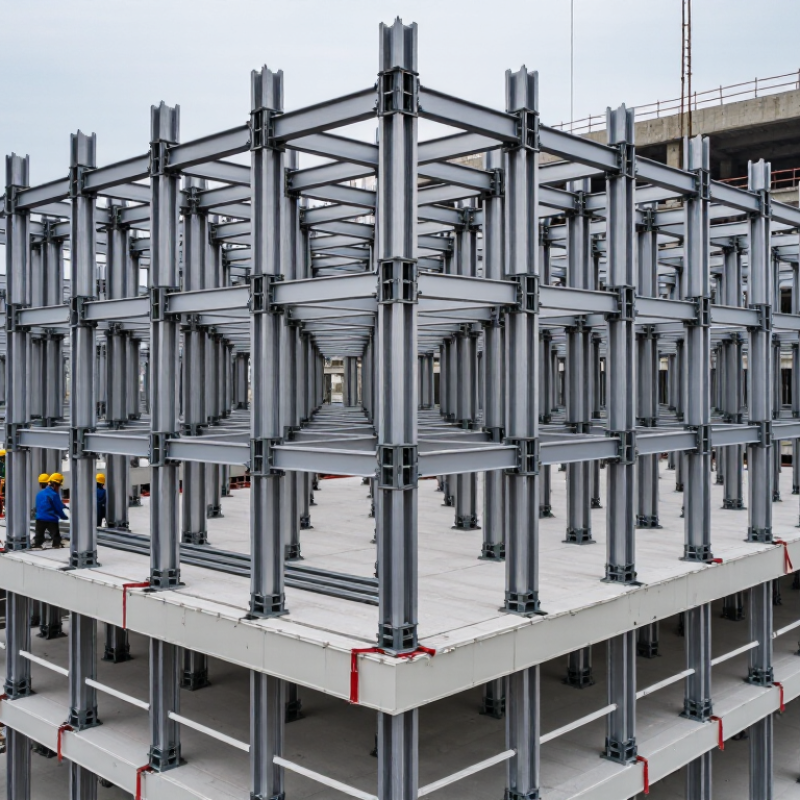
Table of Contents [Hide]
What Cuplock Scaffolding Is and How Its Components Fit Together
Cuplock scaffolding is a modular steel system built from vertical standards and horizontal ledgers. Each standard has fixed cup joints; ledger and transom ends slot into the lower cups, then a sliding upper cup locks them in place. The transoms support the working platform, while diagonal braces help resist sway. Base jacks level the first lift on uneven ground. The parts connect quickly, but only when the right components and locking sequence are used.
The joints form repeated bays and lifts, making the structure easier to adapt to changing site layouts. Yet a neat-looking connection is not proof of a safe scaffold. OSHA’s construction standard, 29 CFR 1926.451, requires scaffolds to support their own weight plus at least four times their maximum intended load. That includes workers, tools, materials, and platform components. Load planning still matters.
OSHA’s scaffold safety fact sheet estimates that scaffold-related accidents could be associated with 4,500 injuries and 60 deaths each year among construction workers. The estimate underlines why inspection and training belong alongside fast assembly. A practical weakness is easy to overlook: mixed components or an unlevel base can undermine an otherwise tidy bay. Check compatibility, locking cups, bracing, and footing before use.