
-
- Products
- Indoor Household Cords
- Appliance Cords
- General Purpose Short-Length Cords
- General Purpose Extension Cords
- Landscape & Decorating Cords
- Bright Color Extension Cords
- Oil-Resistant Extension Cords
- Cold-Flex Extension Cords
- VividFlex Power Cords
- EXTREME All-Weather Cords
- Cord Management
- Task Lights
- Adapters & GFCI Devices
- Where to Buy
- About
- Careers
- Glossary
- Catalog


What Is the Best China LED Tri-Proof Light Supplier?
Choosing the best China LED Tri-Proof Light supplier requires more than comparing prices. It demands practical judgment, technical knowledge, and careful verification. A reliable supplier should understand demanding environments, including parking garages, food-processing areas, warehouses, tunnels, and outdoor walkways. Moisture can enter through a poor seal. Dust can settle inside a weak housing. Heat can quietly shorten LED performance.
Nadarajah Narendran, a respected LED lighting researcher, has said, “The LED is not a lamp; it is a system.” This idea matters when evaluating a Chinese manufacturer. A high-quality LED Tri-Proof Light combines the LED chips, driver, housing, lens, thermal path, wiring, and sealing method. One attractive specification cannot prove product quality. Sometimes, it hides important details.
Look for suppliers with documented testing, stable production experience, and clear technical communication. Review ingress protection ratings, impact resistance, operating temperature, lumen maintenance, power factor, and warranty conditions. Ask for sample units. Open them when possible. Inspect the gasket, clips, terminal block, and driver brand. A factory video is helpful, but it is not independent proof.
The strongest supplier should provide consistent samples and repeatable production results. Certifications should match the target market and the actual model. This point is often overlooked. A certificate for one product cannot automatically support another.
Price still matters. It should not control the decision. A cheaper fixture may consume more power or fail earlier. That creates replacement work, downtime, and unexpected costs. No supplier is perfect. However, the best partner responds honestly, admits limitations, and improves when evidence exposes a weakness. This guide examines those practical differences before naming the best China LED Tri-Proof Light supplier.
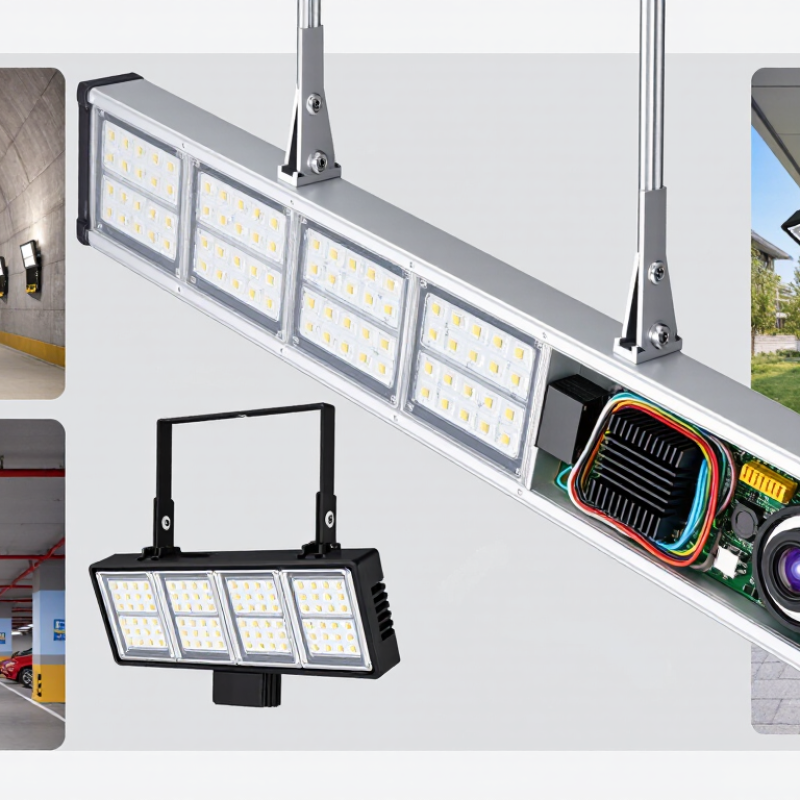
Table of Contents [Hide]
What Is a China LED Tri-Proof Light Supplier?
What Is the Best China LED Tri-Proof Light Supplier?
A China LED tri-proof light supplier provides sealed lighting products for damp, dusty, or demanding spaces. “Tri-proof” usually means protection against water, dust, and impact. These lights often use a waterproof housing, sealed connections, and impact-resistant covers.
A capable supplier does more than assemble fixtures. It should help select wattage, beam angle, color temperature, and mounting options. For example, a warehouse may need 5,000K light, while a parking area may require lower glare. Experienced suppliers can also provide samples, photometric files, test reports, and installation guidance. I have found that clear technical communication matters as much as price. A polished catalog can still hide weak documentation. That deserves careful checking.
Tips: Ask for an actual sample before placing a large order. Check the IP and impact ratings on test documents, not only product labels. Confirm operating temperature, driver quality, warranty terms, and spare-part support. Review the supplier’s factory process, inspection records, and export experience. A reliable partner should answer specific questions without vague promises. It should also explain what changes may affect delivery time or performance.
The best supplier depends on your project conditions. Compare tested performance, consistency between batches, and after-sales communication. Low pricing may look attractive, but unstable light output creates replacement costs later. No supplier gets everything right. The important point is whether problems are identified and handled transparently.