What is the Best Cool Extension Cords for Your Home and Office Needs
When it comes to powering up your devices efficiently and safely, the choice of extension cords plays a crucial role, especially in our homes and offices. Among the myriad of options available, "cool extension cords" stand out not just for their functional capabilities but also for their innovative designs that cater to both aesthetics and practicality. Understanding the various types of extension cords and their features is essential for making an informed decision that suits your specific needs.
In this guide, we will explore what makes a particular extension cord "cool"—from their unique colors and patterns to their advanced features like built-in surge protection and smart functionalities. Choosing the right extension cord can enhance the decor of your space while providing reliable power solutions. Whether you're illuminating a creative workspace or expanding your home’s entertainment setup, the right extension cord can seamlessly blend with your environment, ensuring safety and convenience without compromising on style.
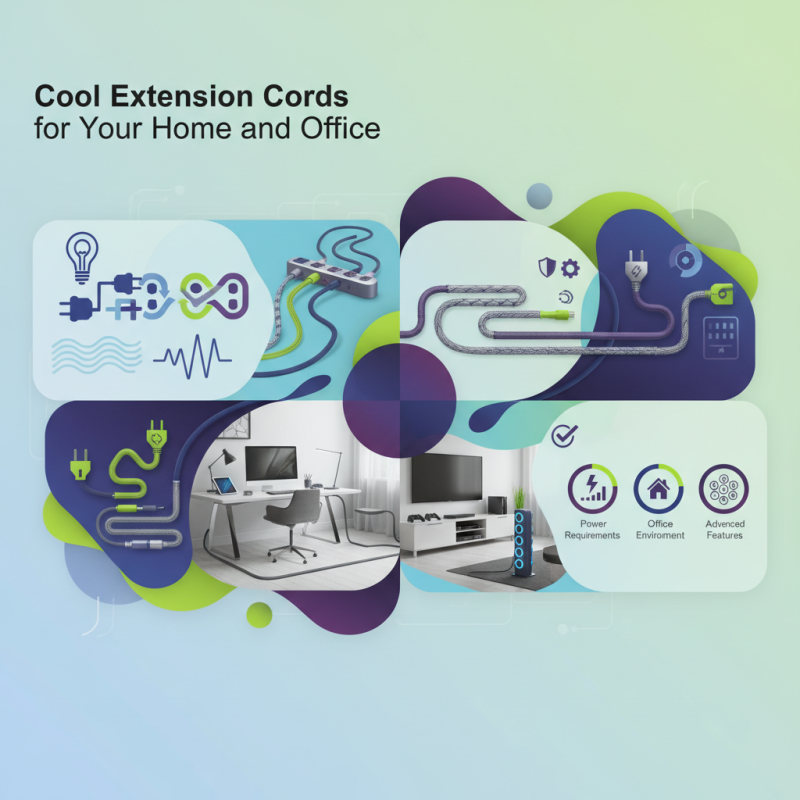
Ultimately, selecting the best cool extension cords requires an understanding of your power requirements, the environment in which they will be used, and the variety of features they offer. By the end of this discussion, you'll be well-equipped to choose the extension cords that not only satisfy your electrical needs but also elevate the look of your home or office.
Best Extension Cords for Home Use: Key Features and Specifications
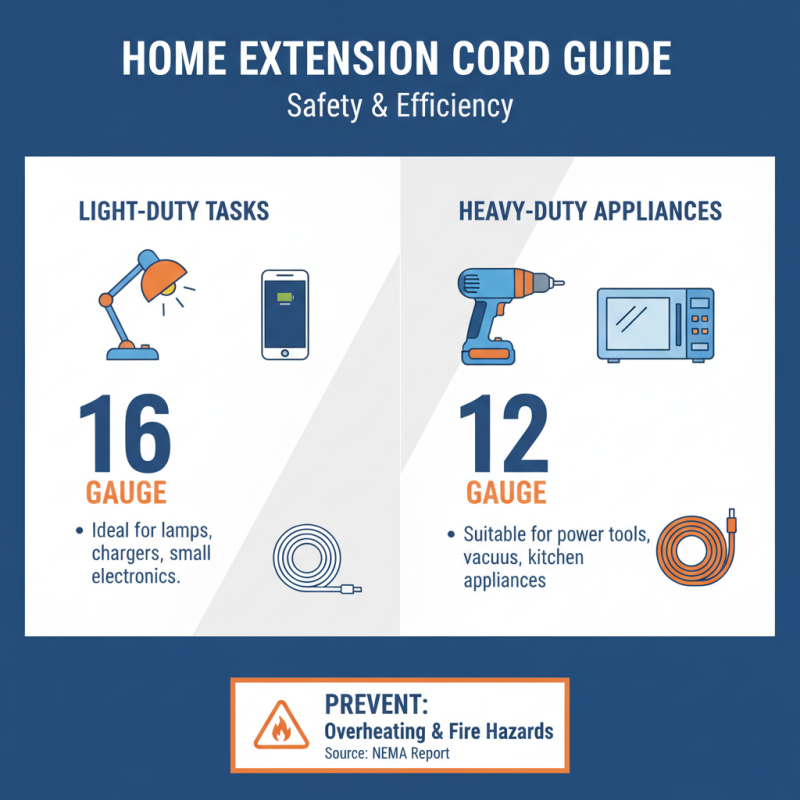
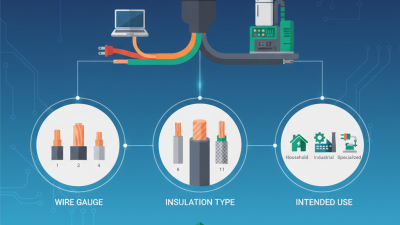
When selecting the best extension cords for home use, it’s essential to consider several key features and specifications that ensure safety and efficiency. According to a report by the National Electrical Manufacturers Association (NEMA), the appropriate gauge of the cord is crucial; for example, a 16-gauge extension cord is ideal for light-duty tasks, while a 12-gauge cord is more suited for heavier appliances. This consideration not only affects the performance of the cord but also significantly reduces the risks of overheating and electrical fires.
Another vital aspect is the cord's length. As a general guideline, the longer the extension cord, the thicker it should be. The American National Standards Institute (ANSI) recommends that homeowners select a cord that is as short as possible to minimize voltage drops, which can impact the efficiency of connected devices. Additionally, look for cords with built-in surge protection to safeguard your electronics from power spikes, as outlined by the Institute of Electrical and Electronics Engineers (IEEE).
**Tips:** When choosing extension cords, prioritize those with higher wattage ratings for better performance. Always check for UL certification to ensure compliance with safety standards, and consider using cords with a flat design to avoid tripping hazards, especially in high-traffic areas of your home or office.
Top-Rated Extension Cords for Office Applications: User Needs and Ratings
When choosing extension cords for office applications, user needs often revolve around safety, functionality, and convenience. A top-rated extension cord should meet specific demands such as sufficient length to reach distant outlets, enough outlets to accommodate multiple devices, and built-in safety features like surge protection. Users require cords that can handle various power loads, ensuring that essential office equipment like computers, printers, and projectors can operate simultaneously without risk of overload.
Furthermore, user ratings highlight the importance of durability and flexibility in design. Extension cords that are rated highly often feature robust construction to withstand daily wear and tear. Flexibility in usage is another critical aspect; cords with tangle-free designs or those that can easily be maneuvered in tight spaces are favored. Adding to the appeal, features like LED indicators for power status and heavy-duty design for outdoor use can enhance user satisfaction and are often reflected in positive reviews. Overall, understanding these user needs and preferences can guide the selection of the most suitable extension cords for both home and office environments.
Safety Standards for Extension Cords: UL Certification and Compliance
When selecting extension cords for home and office use, one of the most crucial considerations is their adherence to safety standards. The Underwriters Laboratories (UL) certification is a prominent mark that indicates a product has been tested for safety and performance. Extension cords that bear this label have undergone rigorous evaluation to ensure they meet specific safety requirements, thus minimizing the risk of electrical hazards such as overheating, short circuits, and fires. It’s essential to check for UL compliance when purchasing extension cords, as this ensures that the cords can safely handle the electric load they are rated for.
Additionally, understanding the compliance features of extension cords can significantly impact their longevity and functionality. Many quality extension cords come with built-in safety features such as circuit breakers, which help manage overloaded circuits, and lighted indicators that signal whether the cord is functioning correctly. Choosing cords with such features not only enhances safety but also provides peace of mind knowing that the equipment is protected. Therefore, prioritizing UL certified and compliant extension cords can help in creating a safe and efficient environment for both your home and office.
What is the Best Cool Extension Cords for Your Home and Office Needs
| Extension Cord Type |
Length |
Rating (Amps) |
UL Certified |
Key Features |
| Indoor |
6 feet |
15 Amps |
Yes |
Lightweight, flexible |
| Outdoor |
50 feet |
15 Amps |
Yes |
Weather-resistant, high visibility |
| Heavy Duty |
25 feet |
20 Amps |
Yes |
Reinforced connectors, durable |
| Smart Extension Cord |
10 feet |
15 Amps |
Yes |
Wi-Fi enabled, app control |
| Power Strip Extension |
12 feet |
15 Amps |
Yes |
Surge protection, multiple outlets |
Specialty Extension Cords: Outdoor vs. Indoor Use and Durability Factors
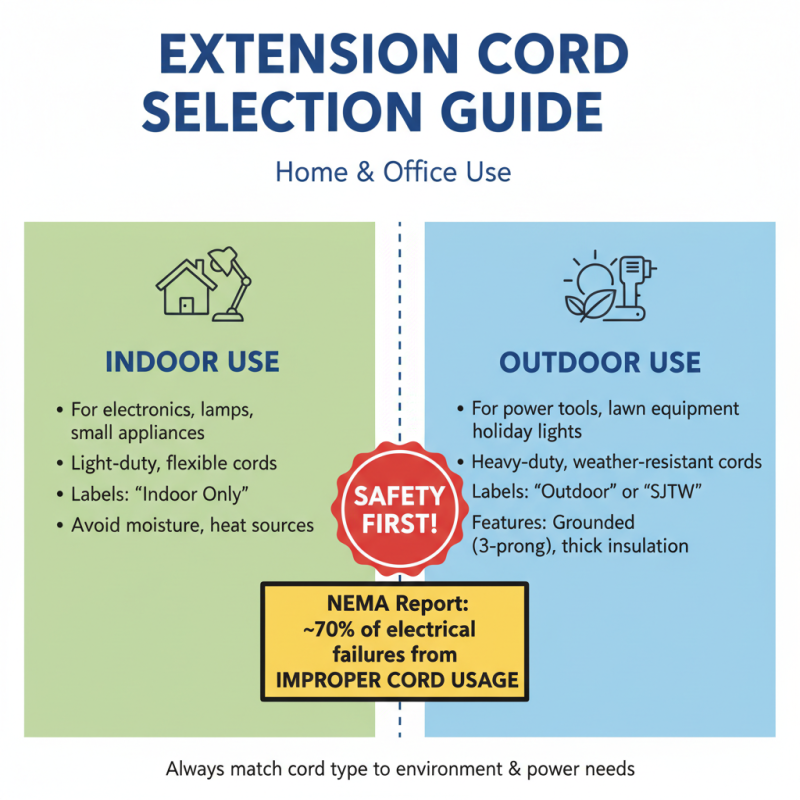
When selecting extension cords for home and office use, it's essential to consider their intended environment—outdoor or indoor—as well as the durability factors associated with each type. According to a report by the National Electrical Manufacturers Association (NEMA), nearly 70% of electrical failures in residential settings can be linked to improper cord usage, highlighting the importance of choosing the right extension cord for its application.
Outdoor extension cords are typically designed with more robust insulation and weather-resistant materials to withstand elements such as moisture, UV exposure, and extreme temperatures. The American National Standards Institute (ANSI) recommends using cords with a thicker gauge for outdoor applications, as these can handle higher electrical loads and reduce the risk of overheating. Conversely, indoor extension cords are generally lighter and more flexible, suited for temporary setups in controlled environments. However, they may not provide the same level of durability against wear and environmental factors.
Durability is not just about resistance to weather; cord construction also plays a critical role. Cords featuring reinforced strain relief, for instance, are built to endure bending and twisting, which is particularly pertinent in high-traffic areas. According to industry standards, cords that meet UL (Underwriters Laboratories) safety certification are tested for both reliability and longevity, ensuring they can withstand various stresses whether used indoors or outdoors. Choosing the right type of extension cord based on these factors can significantly enhance safety and functionality in both home and office settings.
Eco-Friendly Options: Energy Efficiency and Sustainable Materials in Cords
When selecting extension cords for home and office use, it's essential to consider not only functionality but also the environmental impact. Eco-friendly extension cords are crafted from sustainable materials and designed with energy efficiency in mind. These cords often feature low-VOC (volatile organic compounds) insulation and use recycled materials, helping to minimize their ecological footprint. By opting for these greener alternatives, you contribute to reducing waste and promoting a healthier indoor environment.
Tip: When purchasing extension cords, look for products that have been certified by reputable environmental organizations. This certification ensures that the cords meet specific energy efficiency and sustainability criteria, making them a responsible choice for conscious consumers.
In addition to choosing eco-friendly materials, it's beneficial to prioritize features that enhance energy efficiency in your extension cords. Some models come with smart technology that allows you to monitor energy consumption or even disable power when devices are not in use. This not only helps lower your energy bills but also reduces the overall carbon footprint of your home or office.
Tip: Consider using timer features or smart plugs in conjunction with your extension cords. These can automatically turn off power during peak hours or when devices are not being used, further optimizing energy savings and supporting sustainable practices in your daily routine.
Energy Efficiency of Eco-Friendly Extension Cords