Best Cord and Cable Options for Global Buyers?
When it comes to selecting the best cord and cable options, global buyers face a myriad of choices. Each region has unique requirements, making it crucial to understand the specific needs. Cords and cables differ significantly in quality, durability, and application. Not all cords and cables meet international standards, which can lead to serious issues. Low-quality products can impact performance and safety.
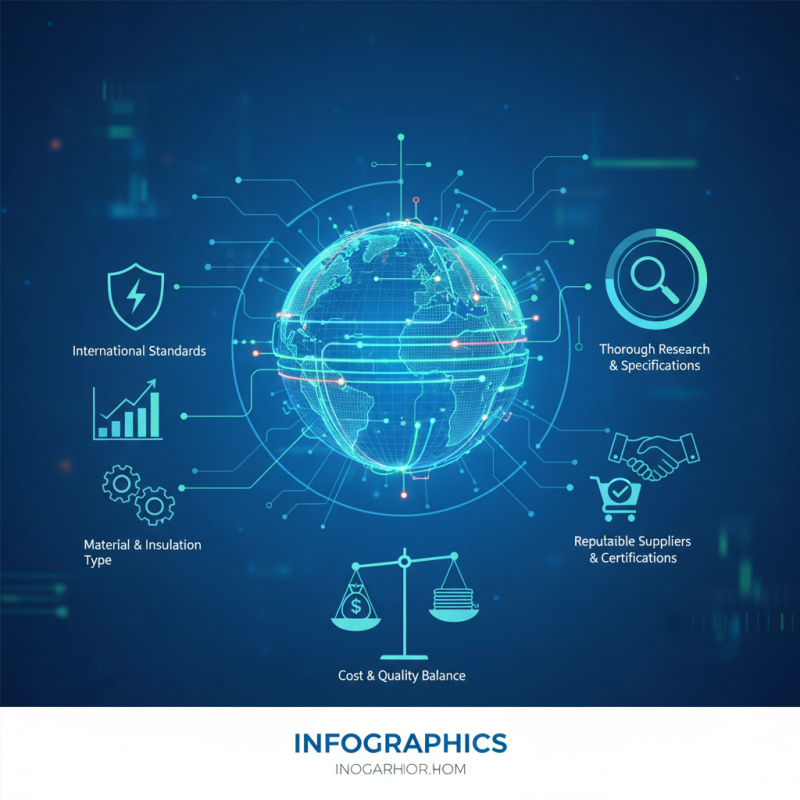
Many buyers often overlook important details while purchasing cords and cables. This can result in disappointment and unforeseen costs. For instance, some cables might not withstand harsh conditions or extensive use. It’s essential to consider the material and insulation type. Conducting thorough research can help buyers make informed decisions.
By analyzing various cord and cable options, buyers can save time and resources. They should prioritize reputable suppliers who provide detailed specifications and certifications. Knowing where to find reliable products can enhance the buying experience. Striking the right balance between cost and quality is also vital. With careful consideration, global buyers can find the best cord and cable solutions tailored to their requirements.
Overview of Global Cord and Cable Market Trends
The global cord and cable market is experiencing significant growth, driven by various sectors. According to a recent report by ResearchAndMarkets, the market is projected to reach $203 billion by 2027, with a compound annual growth rate (CAGR) of 6.6%. This growth is primarily fueled by the rising demand for electricity and renewable energy infrastructure. However, challenges remain, including fluctuating material costs and environmental regulations.
Regions such as Asia-Pacific are leading in demand, primarily due to infrastructural developments. In 2022, it accounted for over 40% of global market share. This dominance highlights the importance of Asia in formatting supply chains. The increasing push for sustainable practices has also led to innovations in cable manufacturing, promoting eco-friendly materials. Yet, many companies struggle with balancing sustainability and cost-efficiency.
Emerging technologies such as electric vehicles and smart grids further contribute to market dynamics. A notable trend is the shift towards high-performance cables with enhanced thermal and electrical properties. Nevertheless, not all manufacturers are equipped to adapt quickly to these trends. Companies need to invest in research and development to stay competitive. This landscape is complex, revealing areas where many organizations may need to rethink their strategies.
Key Factors in Choosing Cords and Cables for Various Applications
When selecting cords and cables for global applications, there are key factors to consider. Different environments and uses demand specific materials and designs. For instance, outdoor cables need to withstand weather conditions. Indoor cables might prioritize aesthetics and flexibility.
Tips: Always check the insulation type. This affects durability under various temperatures. Consider the voltage ratings as well. It ensures safety and efficiency for your application.
Another factor is cable length. Longer cords can lead to signal loss, especially for data transmission. Short cables are often preferable for high-frequency uses.
Tips: Measure your requirements carefully. Too long is as problematic as too short. Don’t overlook compatibility with existing equipment.
Lastly, look for certifications. Reliable cables often come with safety and performance certifications. This can save you from future issues and expenses.
Tips: Research local standards. What works in one region may not be suitable in another. Always stay informed about the latest guidelines.
Best Cord and Cable Options for Global Buyers
Comparative Analysis of Material Types for Cords and Cables
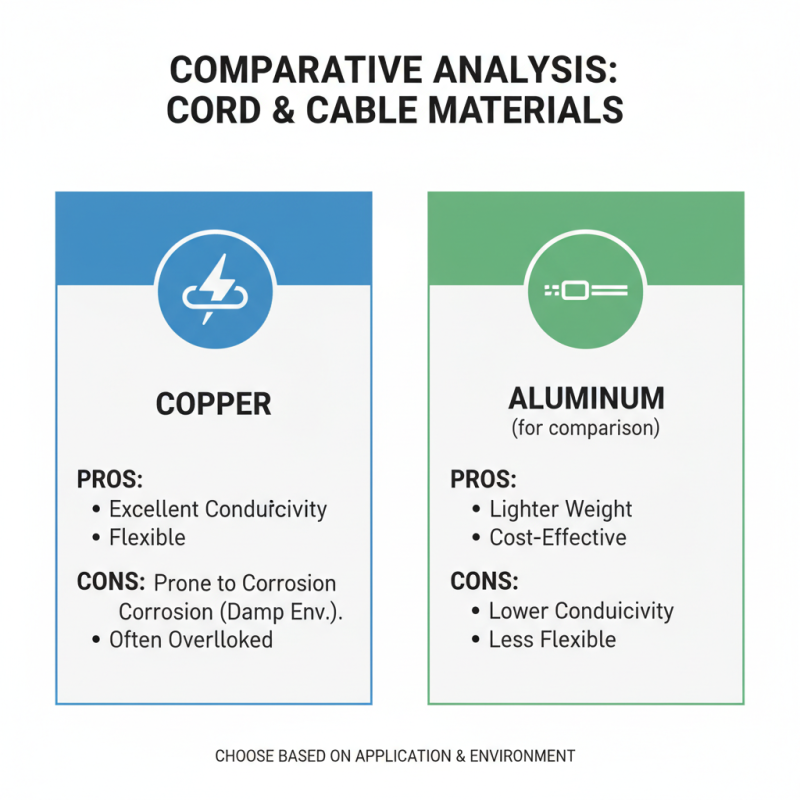
When choosing cords and cables, material types play a crucial role in their effectiveness. Copper remains a popular choice due to its excellent conductivity and flexibility. However, it can be prone to corrosion, especially in damp environments. This aspect is often overlooked by buyers focused solely on conductivity.
Another option is aluminum. It is lighter and generally less expensive than copper. Yet, it does not conduct electricity as efficiently. Furthermore, aluminum wires can expand and contract, leading to potential connection issues. Users must weigh these factors carefully.
Thermoplastic elastomers (TPE) and thermoplastic polyurethane (TPU) are gaining attention for their durability and resistance to environmental stress. They are flexible and can handle extreme temperatures. Nonetheless, some buyers may find them challenging to recycle. It's important to assess the long-term impact of material choices. Understanding these nuances can greatly influence performance and environmental sustainability.
Safety Standards and Regulations Impacting Global Buyers
When considering cord and cable options, global buyers must be aware of various safety standards and regulations. Compliance with these regulations ensures safe use and prevents electrical hazards. Different regions have unique standards, making it essential to research local requirements. Buyers who understand these regulations can avoid costly mistakes.
Tips: Always check for certifications. Look for recognized marks on cables. This indicates they meet safety standards. Don't overlook the importance of insulation quality. The right insulation can prevent electrical shocks.
In addition, buyers should consider the potential for misuse. Cables can be damaged if mismanaged. Inspect cables regularly, especially in high-traffic areas. This simple act can significantly enhance safety. Adhering to safety protocols will help in mitigating risks. In some regions, failing to follow regulations can lead to penalties. Therefore, staying informed is crucial for responsible procurement.
Sourcing Strategies for Cost-Effective Cord and Cable Solutions
Sourcing cord and cable solutions is vital for global buyers. The global market for electric cables is expected to reach approximately $235 billion by 2028, growing at a rate of 6.6% annually. This reflects a rising demand for energy-efficient solutions and connectivity.
When sourcing, it's crucial to consider geographical variability. Prices can fluctuate significantly by region. For instance, suppliers in Asia might offer lower production costs compared to those in North America or Europe. However, reliance on a single region can be risky. Diverse sourcing strategies can mitigate potential disruptions from geopolitical tensions or natural disasters.
Sustainability is increasingly important. About 70% of consumers prefer environmentally friendly products. Buyers should look for manufacturers using recycled materials or energy-efficient processes. Certifications like RoHS or WEEE can help ensure compliance with international standards. Yet, achieving these standards can sometimes be challenging for suppliers. Effective communication with suppliers about sustainability claims is essential.