
-
- Products
- Indoor Household Cords
- Appliance Cords
- General Purpose Short-Length Cords
- General Purpose Extension Cords
- Landscape & Decorating Cords
- Bright Color Extension Cords
- Oil-Resistant Extension Cords
- Cold-Flex Extension Cords
- VividFlex Power Cords
- EXTREME All-Weather Cords
- Cord Management
- Task Lights
- Adapters & GFCI Devices
- Where to Buy
- About
- Careers
- Glossary
- Catalog


What Is the Best Explosion Proof Emergency Light from China?
Choosing the best Explosion Proof Emergency Light from China is not a price-only decision. The light must suit the site’s hazard classification, operating conditions, and emergency-lighting needs. A unit that looks rugged in a product photo may still have the wrong protection rating or battery runtime for a particular installation.
Safety researcher James Reason wrote, “We cannot change the human condition, but we can change the conditions under which humans work.” That principle matters when selecting emergency lighting: dependable equipment can help make an evacuation route visible when normal power fails. Consider a warehouse aisle where dust settles on fixtures, a processing area exposed to moisture, or a corridor where a backup light must remain available after a power cut. Each setting calls for careful checks, not guesswork.
This guide compares Chinese-made options through practical details: certified protection markings, enclosure materials, light output, battery performance, charging time, and tested emergency duration. It also considers supplier documentation, spare-part availability, and the clarity of product specifications. Ask for test records and confirm that ratings match the intended application. “Looks compliant” is not enough.
There is room for reflection, too. A long runtime on a datasheet does not guarantee the same result under every temperature or maintenance schedule. The best choice is therefore the model whose verified performance fits the actual site—not simply the one with the brightest beam or lowest quote.
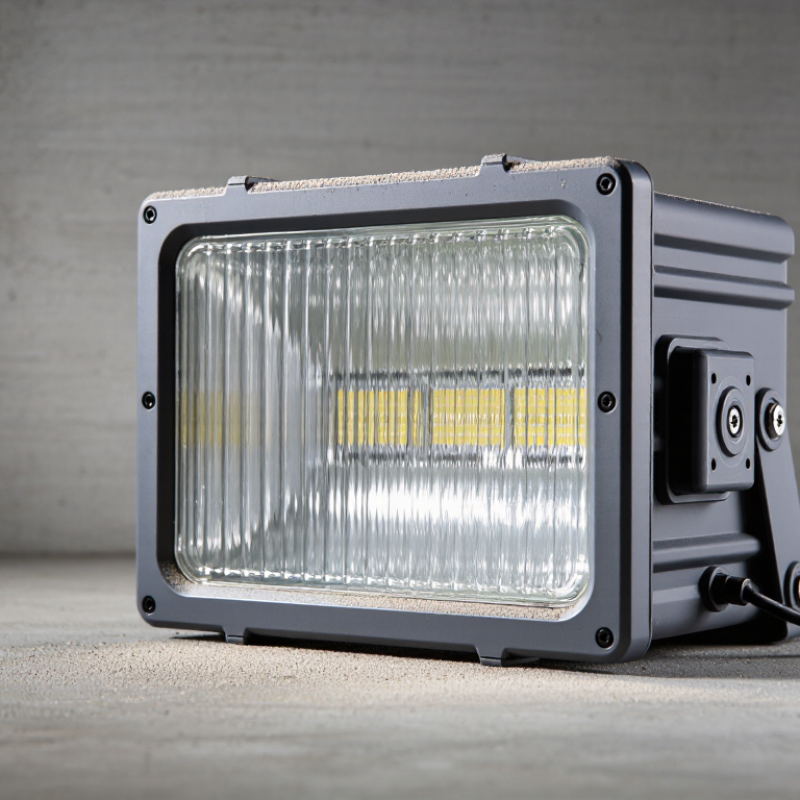
Table of Contents [Hide]
What Is an Explosion-Proof Emergency Light?
An explosion-proof emergency light is designed for locations where flammable gases, vapors, or dust may be present. Its enclosure helps contain an internal electrical ignition and limits flames or hot gases from reaching the surrounding atmosphere. “Explosion-proof” does not mean the light can never fail or that every model suits every hazardous area. That distinction matters. During a power outage, a built-in battery keeps the lamp operating so people can see exits, stairs, and work areas. Look for a clearly stated operating duration and suitable temperature and area ratings.
A sturdy unit often has a sealed housing, impact-resistant lens, and protected cable entries. These details help resist dust, moisture, and rough handling, but the right specifications depend on the site. A warehouse aisle and a chemical process room may need different equipment. Have a qualified professional assess the location and verify applicable certification before installation. In practice, these details are easy to overlook.
Tips: Check the battery’s condition and emergency runtime regularly. Test the light under the site’s maintenance procedure, and keep its lens clean. A dusty lens can reduce visibility when it matters most.