10 Best Extension Cord Wire Options for Safe and Reliable Power Supply?

Finding the right extension cord wire is crucial for both safety and convenience. The choices can feel overwhelming. With numerous options available, navigating through them requires knowledge and care.

The best extension cords should provide reliable power supply without compromising safety. Factors such as wire gauge, rated wattage, and length play significant roles in selection. Using cords that are too long or too thin can lead to overheating and power loss.

In our journey to discover the top extension cord wire options, we must reflect on our needs and usage contexts. Each scenario may require a different type of extension cord. Think about where you will use it most. Are there specific appliances or tools that require dependable power? Understanding these aspects helps in making an informed choice.
10 Best Extension Cord Wire Options for Safe and Reliable Power Supply?

Types of Extension Cords and Their Appropriate Uses

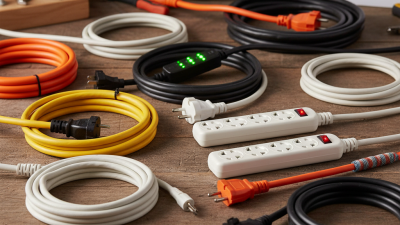
When choosing an extension cord, understanding different types is crucial. There are light-duty, medium-duty, and heavy-duty options. Light-duty cords are ideal for indoor use, such as lamps and small appliances. They’re usually rated for up to 13 amps. However, many consumers overlook their limitations. Overloading light-duty cords can lead to overheating and potential fire hazards.

Medium-duty cords are more versatile. These are suitable for yard work or power tools, rated for up to 15 amps. Yet, proper usage remains essential. A survey by the National Fire Protection Association reported that electrical failures caused around 47,000 home fires between 2014 and 2018. Many of these incidents involved improper use of extension cords. Users often extend cords in wet conditions or exceed their amp rating.

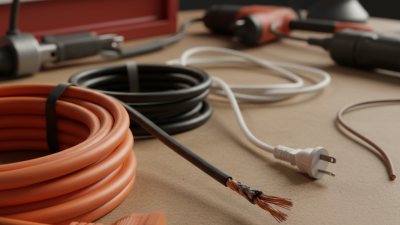
Heavy-duty cords are designed for the toughest jobs. They handle larger equipment like power washers and generators. These cords typically have a rating of 20 amps. However, they come with their own issues. Over time, heavy-duty cords can wear down, leading to exposed wires. This can create risks of shocks and fires. Regular inspection for signs of damage is critical for safety.

Key Safety Features to Consider When Choosing an Extension Cord

10 Best Extension Cord Wire Options for Safe and Reliable Power Supply?

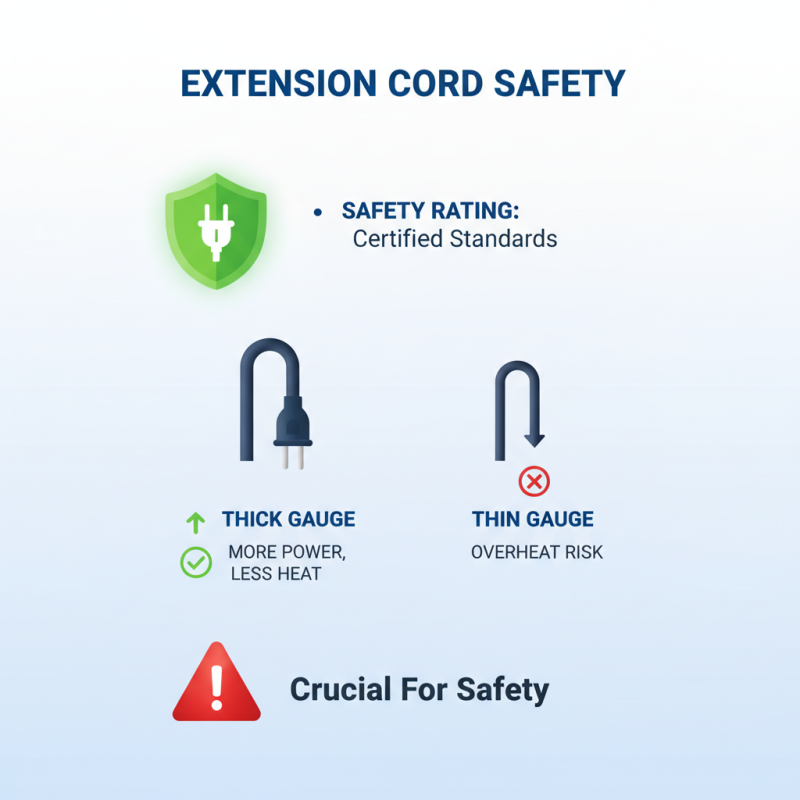
Choosing the right extension cord is crucial for safety. Look for cords with a safety rating. This ensures they meet high standards. Check the gauge of the wire. Thicker wires can handle more power. They reduce the risk of overheating, an essential feature.

Also, consider the length of the cord. Longer cords can lead to voltage drops. This affects performance. Keep your needs in mind. A short cord may limit flexibility. Yet, a longer one can create a tripping hazard. Think through your setup carefully.

Pay attention to the plug type. There are different styles that fit various needs. Weather-resistant cords are a must for outdoor use. They withstand moisture and temperature changes. Finally, inspect for damage regularly. Damaged cords pose severe risks. Neglecting this step can lead to fires or equipment failure. Always prioritize safety.

Power Ratings and Load Capacity Explained for Extension Cords

When choosing extension cords, understanding power ratings is vital. Power ratings, measured in w watts, determine how much load the cord can safely handle. Most household devices require specific wattage levels. Exceeding these ratings can lead to overheating and potential fire hazards. It's essential to check the devices you plan to use with the extension cord.

Load capacity is equally important. This refers to how much current the cord can carry without risk. Cords typically come in different gauges, with lower numbers indicating thicker wires. Thicker wires can manage higher loads. However, many users overlook this detail. A thin cord might seem convenient but can compromise safety, especially with high-power devices.

Be mindful of the length of the cord as well. Longer cords can lead to energy loss. This means devices may not receive sufficient power. Users should also inspect cords for damage or wear. A frayed cord can be dangerous. Remember that safe usage starts with proper selection and regular checks. Taking shortcuts could lead to bigger problems down the road.

Durability and Weather Resistance in Extension Cord Selection

10 Best Extension Cord Wire Options for Safe and Reliable Power Supply?

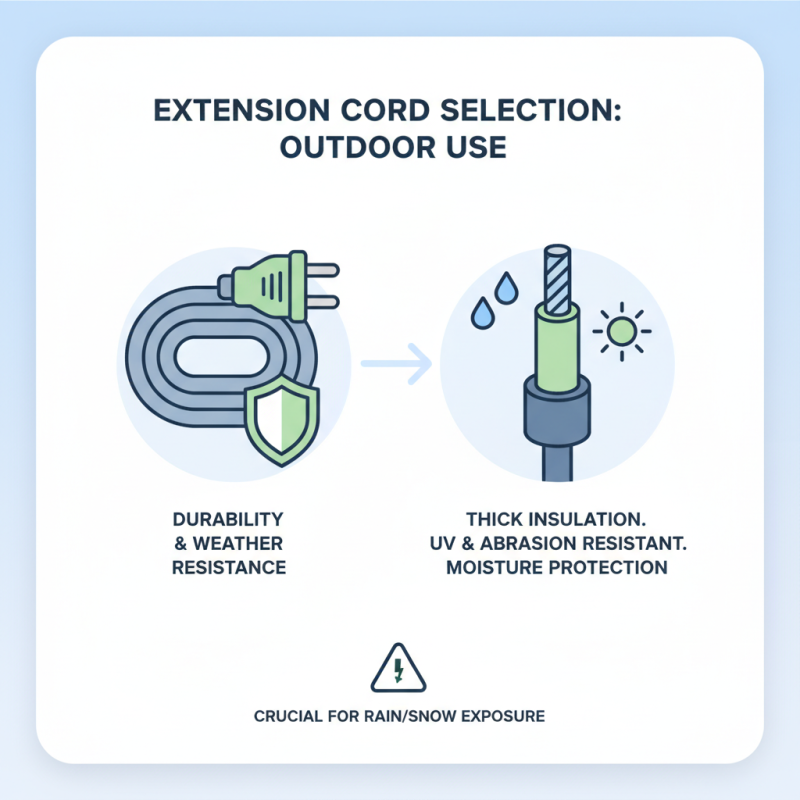
When selecting an extension cord, durability and weather resistance should be top priorities. A rugged cord can withstand harsher environments. Look for materials that resist abrasion and UV damage. Cords with thick insulation can also provide extra protection against moisture. This is crucial for outdoor use. Exposure to rain or snow can lead to dangerous situations if the equipment is not properly protected.

In addition to materials, pay attention to the design of the extension cord. Cords with reinforced connectors tend to hold up better during frequent use. They reduce the risk of fraying and breaking. Furthermore, consider the length. Longer cords can sometimes lead to energy loss. Shorter cords are often more efficient, but they limit your movement. Balancing these factors is not always easy. It requires thoughtful consideration of your specific needs. Don't overlook the importance of proper storage as well. Coiling cords neatly can prevent damage and prolong their lifespan.

How to Properly Maintain and Store Extension Cords for Longevity

Extension cords can be vital in providing power, but improper maintenance can lead to safety hazards. According to the National Fire Protection Association (NFPA), there are around 3,000 fires annually caused by extension cords. Keeping cords in good condition is crucial to avoid such risks. One effective practice is to regularly inspect cords for frays, cracks, or exposed wiring. A damaged cord should be replaced immediately. It is also important to avoid overloading outlets to prevent overheating and electrical fires.

Storing extension cords properly can extend their lifespan significantly. Avoid wrapping cords tightly around objects, as this can cause internal damage. Instead, store them loosely and in a dry environment to reduce moisture exposure, which may lead to corrosion. Reports indicate that cords can deteriorate up to 50% faster when exposed to extreme temperature changes. Furthermore, using cord organizers or hangers can help prevent tangling and wear.

While many people might overlook these maintenance tips, neglecting them can lead to dangerous situations. It's not uncommon for people to stuff cords into drawers or boxes without care. This can create stress points that weaken the insulation. Making small adjustments to how we care for these essential tools can save lives and prolong their usefulness. Always remember to treat extension cords with respect.

Power Supply Reliability Comparison of Extension Cords