
-
- Products
- Indoor Household Cords
- Appliance Cords
- General Purpose Short-Length Cords
- General Purpose Extension Cords
- Landscape & Decorating Cords
- Bright Color Extension Cords
- Oil-Resistant Extension Cords
- Cold-Flex Extension Cords
- VividFlex Power Cords
- EXTREME All-Weather Cords
- Cord Management
- Task Lights
- Adapters & GFCI Devices
- Where to Buy
- About
- Careers
- Glossary
- Catalog


What Is the Best Hydrophobic Vent for 2026?
Choosing the best Hydrophobic Vent for 2026 is not simply a search for one top-rated product. The right choice depends on exposure, airflow needs, enclosure design, and maintenance limits. A vent mounted on an outdoor sensor may face wind-driven rain, dust, and repeated temperature swings. A unit inside a compact electronics housing may need a different balance. Small details matter. Membrane material, effective area, seal geometry, and installation orientation can all shape performance. Product names alone tell little.
This guide examines how to compare vents using practical criteria: water resistance, airflow, pressure equalization, durability, and fit. It also considers the documentation behind each claim, including test conditions and installation guidance. Those details help separate useful evidence from broad marketing language. A high rating on paper may not predict performance in every enclosure, so testing a shortlisted vent in its intended application remains important. There is no universal winner. That is easy to say, but harder to apply when specifications are incomplete or designs change between product versions. The comparisons ahead aim to clarify the trade-offs, highlight what buyers should verify, and make the final selection more dependable.
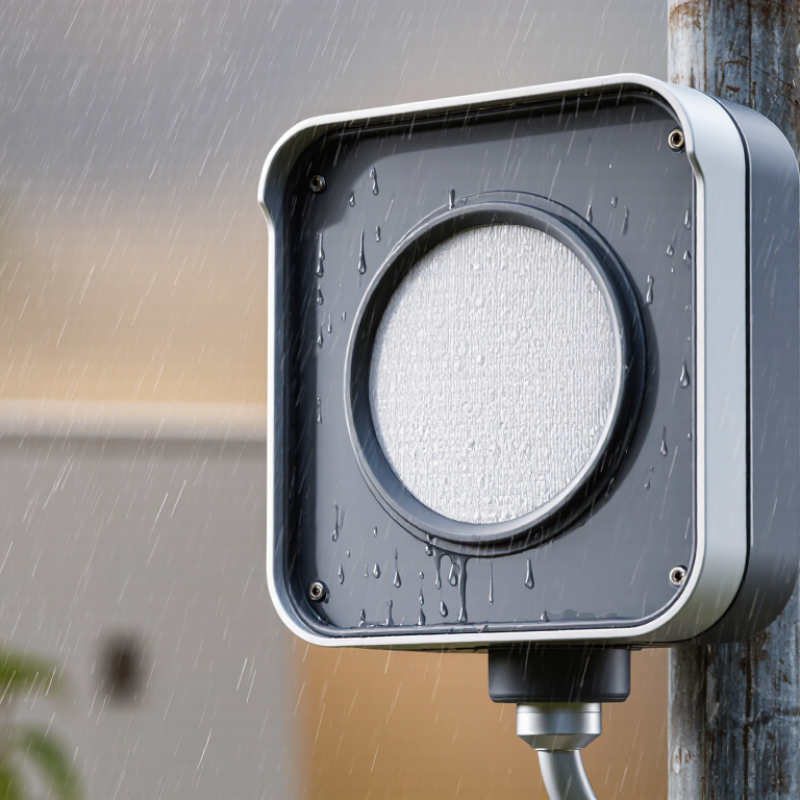
Table of Contents [Hide]
What Is a Hydrophobic Vent and How Does It Work?
A hydrophobic vent is a breathable barrier that resists liquid water. It commonly contains a microporous membrane with water-repelling surfaces. Air moves through its pores, helping equalize pressure between an enclosure and the surrounding air. Water does not pass as easily. That’s the basic idea.
Inside a sealed housing, temperature changes can create pressure differences. A device warming in sunlight may pull air inward as it cools. A vent allows that exchange while helping keep rain and splashes out. Its protection depends on pore structure, membrane condition, and water pressure; it is not an unlimited shield. Small detail, big impact.
When choosing a vent, match its airflow and water-entry performance to the enclosure’s needs. Consider temperature, cleaning exposure, and likely contact with oils or dust, since contamination may reduce performance. Installation matters, too: a damaged seal can let water bypass the membrane entirely. Check the specified test conditions rather than assuming every hydrophobic vent offers the same protection. A vent helps manage pressure and moisture risk, but it cannot replace sound enclosure design.