
-
- Products
- Indoor Household Cords
- Appliance Cords
- General Purpose Short-Length Cords
- General Purpose Extension Cords
- Landscape & Decorating Cords
- Bright Color Extension Cords
- Oil-Resistant Extension Cords
- Cold-Flex Extension Cords
- VividFlex Power Cords
- EXTREME All-Weather Cords
- Cord Management
- Task Lights
- Adapters & GFCI Devices
- Where to Buy
- About
- Careers
- Glossary
- Catalog


7 Best Waterproof Adhesive Vents for Electronics?
Small electronics enclosures must resist rain, splashes, dust, and sudden temperature changes. Yet a completely sealed housing can trap heat or develop pressure differences as the air inside warms and cools. A pressure-equalization vent can help manage these changes while limiting water entry, when correctly selected and installed. Small details matter. The term Adhesive Vent Waterproof points to vents that attach directly to an enclosure, avoiding the need for a threaded fitting. But “waterproof” does not mean suitable for every device or exposure.
This guide to seven Waterproof Adhesive Vents compares practical factors, including water-ingress ratings, airflow, membrane construction, adhesive type, and usable temperature range. Check the product datasheet and mounting instructions rather than relying on a product title alone. Surface preparation matters: dust, texture, coatings, and curved panels can affect how well an adhesive seal holds. A clean, flat mounting area is usually easier to evaluate. Still, actual performance depends on the enclosure and installation.
No vent is magic. Consider where the device will operate, how often it faces spray, and whether condensation is a concern. A vent that suits a handheld instrument may not fit an outdoor control box. The best choice balances protection and pressure relief, with clear specifications and a sensible fit for the enclosure. If the consequences of water ingress are serious, verify the complete assembly under relevant conditions instead of assuming the vent’s rating guarantees protection.
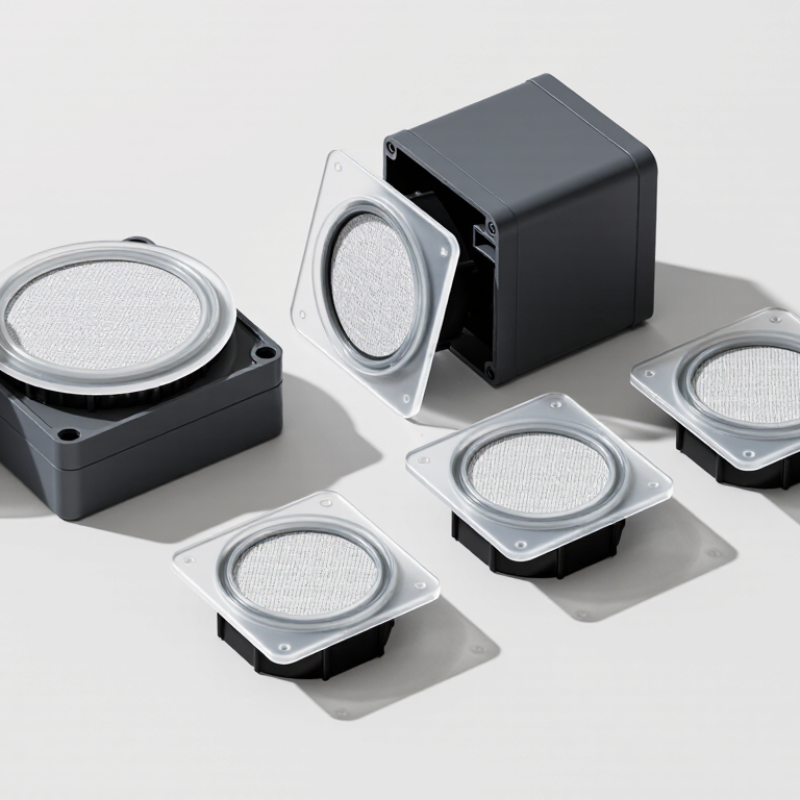
Table of Contents [Hide]
What Waterproof Adhesive Vents Are and How They Work
An adhesive vent is a small membrane-covered opening bonded to an electronics enclosure. Its microscopic pores let air pass while resisting liquid water and dust. When a device heats up or cools down, internal pressure changes. The vent helps equalize that pressure without leaving the opening fully exposed. It also gives water vapor a path to escape. Small part, important job.
IEC 60529, the international enclosure-protection standard, defines IPX7 testing as temporary immersion in water up to 1 meter for 30 minutes. Its IP6X test requires an enclosure to be dust-tight. These ratings apply to the tested enclosure, not to a vent by itself. A vent’s adhesive, membrane, housing design, and installation all affect the final result. A rating on paper is not a guarantee after poor assembly.
In practice, a vent may sit behind a molded grille on a handheld meter or control box. Dust, skin oils, and uneven surfaces can weaken the bond. That detail is easy to miss. Surface preparation and careful placement matter, yet real-world aging can still surprise designers. Check the complete device under its intended test conditions, including temperature changes and exposure to water. A vent manages pressure; it does not make an enclosure invulnerable.