What is cable integrity and why is it essential for safety?
Cable integrity is a crucial aspect of safety in various industries. It refers to the condition and reliability of cables used in electrical systems. When cables lose their integrity, they can pose significant risks. This can lead to electrical failures, fires, or even accidents that jeopardize lives.
Many factors can affect cable integrity, including environmental conditions and wear over time. Regular inspections and maintenance are vital to ensure that cables remain safe and functional. Neglecting cable integrity can have dire consequences. In some cases, organizations might underestimate the dangers posed by improper cable management.
Understanding cable integrity is essential for anyone involved in safety and engineering. Professionals should prioritize training and awareness in this area. By doing so, they can help prevent costly accidents and ensure a safer working environment for everyone. Reflecting on existing practices can lead to improvements in how cable systems are managed.
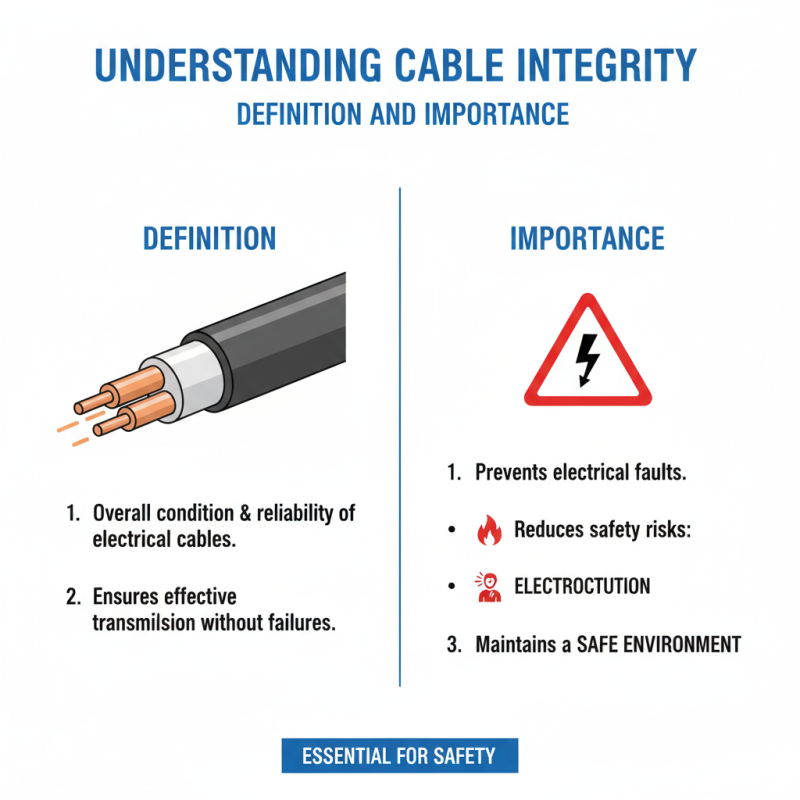
Understanding Cable Integrity: Definition and Importance
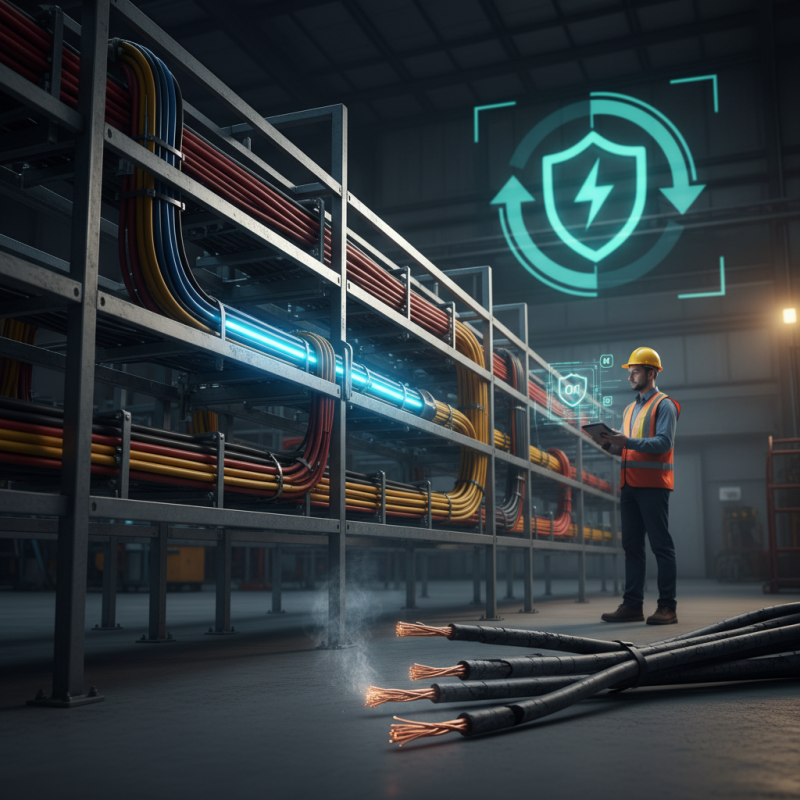
Cable integrity refers to the overall condition and reliability of electrical cables. It ensures that cables can effectively transmit electricity without failures. A compromised cable can lead to electrical faults, posing serious safety risks such as fires and electrocution. Understanding cable integrity is essential for maintaining a safe environment.
Regular inspections can reveal wear and tear. Look for frayed wires, corrosion, or insulation damage. Remember, small issues can escalate quickly. Neglecting these signs might lead to catastrophic failures.
Tips for ensuring cable integrity include using proper cable management techniques and avoiding overloading circuits. Always follow installation guidelines. This not only extends the life of the cables but also enhances safety. Periodic testing of cable systems can identify potential risks early on. Awareness of the environment where cables are installed can also influence their longevity.
It's important to recognize that even new cables can have undetected flaws. Conducting a thorough evaluation before installation is crucial. Never assume that all cables are in perfect condition simply because they are new. Paying attention to cable integrity ensures safety for everyone.
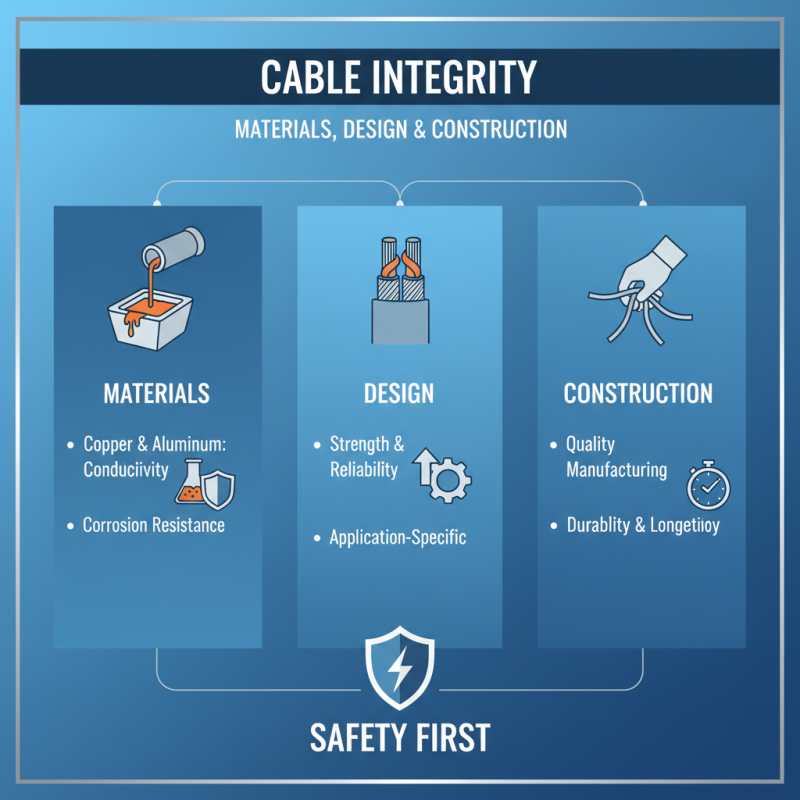
Components of Cable Integrity: Materials, Design, and Construction
Cable integrity is crucial for ensuring safety in various applications. The strength and reliability of cables rely heavily on their materials, design, and construction. Engineers often emphasize the importance of high-quality materials, as they directly influence durability and longevity. For example, copper and aluminum are preferred for their excellent conductivity, but factors like corrosion resistance also play a critical role.
Design considerations impact the overall performance of cables. When cables are designed with adequate insulation and protection layers, they can withstand environmental stressors such as moisture and temperature fluctuations. According to industry reports, improper insulation can lead to a significant increase in failure rates—up to 30% in severe conditions. This statistic highlights the need for robust design in cable integrity.
Moreover, the construction process must adhere to strict quality controls. Many cables face premature failure due to poor manufacturing practices. Ensuring consistent quality throughout the production process is vital. Studies suggest that implementing advanced testing methods, such as thermal imaging and electrical diagnostics, can minimize risks. However, challenges remain in maintaining these standards uniformly across the industry, leading to potential vulnerabilities.
Factors Affecting Cable Integrity: Environmental and Operational Influences
Cable integrity refers to the condition and performance of electrical cables. It plays a critical role in safety and efficiency. Environmental and operational factors significantly affect this integrity, making it essential to monitor and maintain cables properly.
Temperature fluctuations can lead to expansion and contraction in cables. Extreme heat or cold may cause insulation failure. Moisture, too, poses a threat. Wet conditions can lead to corrosion or short circuits. Regular inspections are necessary to identify these hazards early.
Operational stress is another important factor. Heavy machinery and constant movement can wear down cables over time. Vibration may cause physical damage or even disconnections. It is crucial to ensure cables are routed correctly and secured to minimize these risks. Recognizing these influences can help prevent catastrophic failures that compromise safety.
Consequences of Poor Cable Integrity: Safety Risks and Failures
Cable integrity is crucial for ensuring safety across various industries. Poor cable integrity can lead to serious safety risks, such as electrical fires or equipment failures. A study by the National Fire Protection Association reported that failures in electrical distribution systems accounted for over 23% of electrical fires in commercial buildings from 2014 to 2018. The data indicates that when cable insulation deteriorates, it increases the likelihood of shorts and potential ignition sources.
Another critical aspect is the operational downtime caused by failed cables. The Institute of Electrical and Electronics Engineers (IEEE) found that companies face an average cost of $2 million for every hour of downtime due to electrical failures. Moreover, cables exposed to harsh environments are particularly vulnerable. Exposure to moisture, heat, or chemical substances can compromise their integrity, amplifying risks.
Regular inspection and maintenance of cable systems are essential. However, many practices are reactive instead of proactive. A report from the International Electrotechnical Commission suggests that up to 70% of electrical failures can be prevented with proper monitoring. This gap indicates a need for better adherence to safety guidelines. Emphasizing cable integrity can dramatically improve safety and efficiency.
What is Cable Integrity and Why is it Essential for Safety?
| Aspect |
Impact of Poor Cable Integrity |
Safety Risks |
Consequences of Failures |
| Electrical Overloading |
Can cause cable overheating and insulation damage |
Risk of fire hazards and electrical shocks |
Equipment damage and potential injury to personnel |
| Physical Damage |
Leads to compromised cable structure |
Increased risk of short circuits |
Service interruptions and repair costs |
| Moisture Ingress |
Harms insulation properties |
Electrical shorts and equipment failure |
Potential explosions in severe cases |
| Corrosion |
Weakens electrical connections |
Increased chances of electrical accidents |
Long-term damage to electrical infrastructure |
Best Practices for Maintaining Cable Integrity: Inspection and Management Techniques
Maintaining cable integrity is crucial for safety across various industries. Regular inspections should be a standard practice. Visual checks can reveal wear and tear that might not be noticeable. Inspect connectors, conductors, and insulation for any signs of damage. Pay close attention to frayed wires or exposed conductors. These conditions can lead to serious safety hazards.
Management techniques are also central to preserving cable integrity. Implement a tracking system for cable lifecycle management. Document the inspection frequency and any identified issues. Training staff on proper handling and installation techniques can reduce mishaps. Equipment should never be overloaded beyond its capacity. Negligent practices, like ignoring early signs of damage, can have severe consequences.
Reflections on past incidents can encourage better practices. An open discussion about failures in cable integrity can lead to improved strategies. Safety audits should include specific assessments of cable conditions. A proactive approach can prevent accidents and enhance overall operational safety.