
-
- Products
- Indoor Household Cords
- Appliance Cords
- General Purpose Short-Length Cords
- General Purpose Extension Cords
- Landscape & Decorating Cords
- Bright Color Extension Cords
- Oil-Resistant Extension Cords
- Cold-Flex Extension Cords
- VividFlex Power Cords
- EXTREME All-Weather Cords
- Cord Management
- Task Lights
- Adapters & GFCI Devices
- Where to Buy
- About
- Careers
- Glossary
- Catalog


What Is a Cable Lug and How Is It Used?
A Cable Lug is a small but essential connector used to terminate electrical cables safely. It creates a firm connection between a conductor and equipment, such as a switchboard, battery terminal, motor, or grounding bar. In a typical installation, the lug is crimped onto a stripped cable end and secured with a bolt. The result should feel solid, not loose or improvised.
Choosing the correct Cable Lug requires more than matching its hole size. Electricians and engineers normally check the cable material, conductor cross-section, stud diameter, current rating, and installation environment. Copper lugs suit copper conductors, while aluminum applications may require compatible materials and special preparation. Outdoor systems also demand suitable protection against moisture, corrosion, and vibration. Small details matter here. A poorly crimped lug can create resistance, heat, and eventual equipment failure.
Installation quality depends on the right tools and careful inspection. A calibrated crimping tool usually produces more reliable results than pliers or a hammer. The conductor should reach the lug barrel fully, with no exposed strands beyond the connection area. After crimping, technicians often inspect the joint, apply approved protection, and perform a pull or continuity check. Even experienced installers can overlook oxidation or incorrect torque. That is worth remembering. This guide explains what a Cable Lug is, how it works, where it is used, and which practical mistakes deserve closer attention. Always verify product instructions and applicable electrical standards before energizing a system.
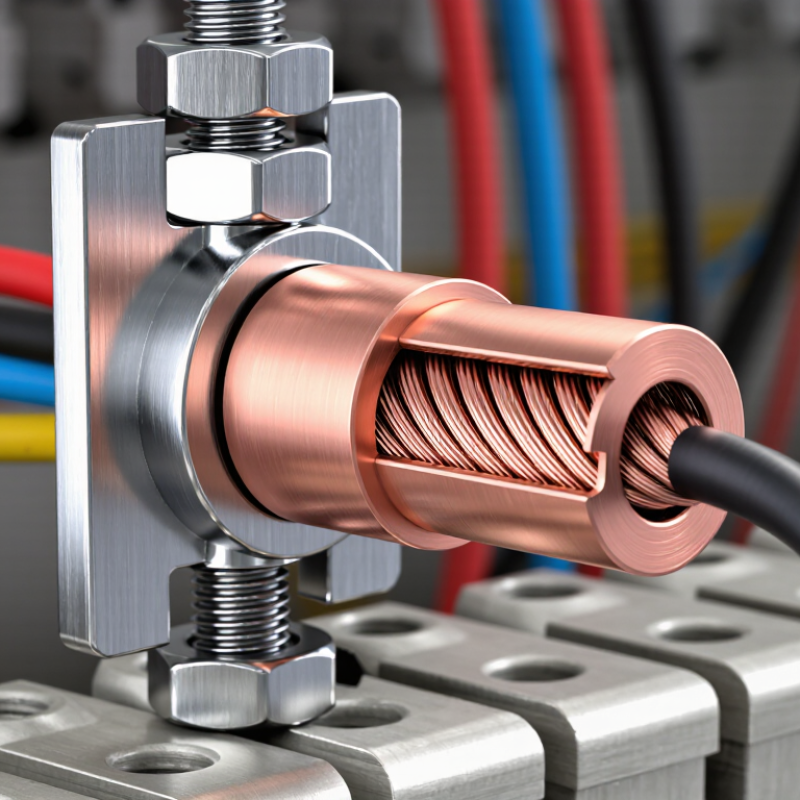
Table of Contents [Hide]
What Is a Cable Lug and What Does It Do?
A cable lug is a metal connector fitted to the end of an electrical cable. It creates a stable interface between the conductor and equipment such as a busbar, circuit breaker, or terminal block. The lug does more than hold the cable in place. It transfers current, supports mechanical loading, and helps maintain low contact resistance. Common types include crimp, compression, and mechanical lugs. Selection depends on conductor size, material, voltage, installation environment, and required connection method.
A properly installed lug keeps copper or aluminum strands tightly contained. The installer strips the insulation, inserts the conductor fully, and applies the specified crimping tool or torque. A loose connection can develop heat at the contact point. That heat may increase resistance further. The cycle is easy to miss.
The International Energy Agency’s Electricity 2024 report projects global electricity demand to grow by about 4% annually through 2026. More electrical infrastructure makes dependable terminations increasingly important. IEC 61238-1 also evaluates compression and mechanical connectors for electrical and mechanical performance. Field inspections often find problems caused by incorrect dies, under-torqued bolts, damaged strands, or moisture entering the joint. A lug may look secure but still fail electrically. Temperature checks, visual inspection, and documented torque values provide stronger evidence than appearance alone. Some installations still rely too heavily on habit, which deserves reconsideration.
What Is a Cable Lug and How Is It Used? - What Is a Cable Lug and What Does It Do?
| Data Dimension | Description | Common Options or Examples | Primary Purpose |
|---|---|---|---|
| Component | A cable lug is a metal connector fitted to the end of an electrical cable or wire. | Ring, fork, pin, butt, and flag configurations | Creates a secure electrical and mechanical connection between a cable and a terminal. |
| Main Conductive Materials | The conductive body is usually manufactured from a metal with good electrical conductivity and suitable mechanical strength. | Copper, tinned copper, aluminum, or copper-aluminum bi-metal | Transfers current while supporting the cable termination. |
| Cable Compatibility | A lug must match the conductor material, cable construction, and conductor cross-sectional area. | Solid, stranded, and finely stranded conductors; metric or AWG sizes | Ensures the conductor fits correctly inside the barrel and can be crimped or secured properly. |
| Terminal Connection Shape | The palm or terminal end determines how the lug attaches to a stud, bolt, screw, or terminal block. | Ring for bolted connections; fork for removable screw connections; pin for compact terminal blocks | Provides the required connection method for the electrical equipment. |
| Attachment Method | The cable is attached to the lug by applying controlled pressure or, for some designs, by using a set screw. | Hexagonal crimping, indent crimping, mechanical screw, or soldered connection | Secures the conductor and reduces the risk of loosening or increased contact resistance. |
| Insulation Protection | Some lugs include an insulating sleeve, while others are uninsulated and require separate insulation or enclosure protection. | PVC or nylon insulated sleeves; heat-shrinkable insulation; bare metal bodies | Helps prevent accidental contact, short circuits, and contamination at the termination. |
| Typical Applications | Cable lugs are used wherever conductors must be connected to electrical equipment or busbars. | Distribution panels, switchgear, control cabinets, batteries, motors, transformers, and grounding systems | Provides a reliable termination in power, control, automotive, industrial, and building wiring systems. |
| Selection Criteria | Selection depends on electrical, mechanical, environmental, and installation requirements. | Cable size, conductor material, stud diameter, current capacity, temperature, corrosion exposure, and available space | Ensures safe operation and compatibility with the cable and terminal equipment. |
| Basic Installation Sequence | The cable is prepared, inserted into the lug barrel, attached using the specified method, and inspected before connection. | Strip insulation, insert conductor, crimp or tighten, inspect, and secure to the terminal | Produces a low-resistance connection with adequate pull-out strength. |
| Important Safety Check | The completed termination should be checked for correct size, proper crimping, tight hardware, exposed strands, and signs of damage. | Visual inspection, pull test where required, torque verification, and continuity testing | Helps prevent overheating, arcing, loose connections, and electrical failure. |