
-
- Products
- Indoor Household Cords
- Appliance Cords
- General Purpose Short-Length Cords
- General Purpose Extension Cords
- Landscape & Decorating Cords
- Bright Color Extension Cords
- Oil-Resistant Extension Cords
- Cold-Flex Extension Cords
- VividFlex Power Cords
- EXTREME All-Weather Cords
- Cord Management
- Task Lights
- Adapters & GFCI Devices
- Where to Buy
- About
- Careers
- Glossary
- Catalog


China Top 10 Plastic Coating Machine Manufacturers
China’s plastic-processing industry has become a major manufacturing base for coating equipment. PlasticsEurope’s Plastics – the Fast Facts 2024 reports that global plastics production reached about 414 million tonnes in 2023. China represented the largest national production share. This scale creates steady demand for reliable Plastic Coating Machine systems.
The market is broader than one machine type. It includes extrusion coating lines, roll coaters, spray units, laminating systems, and specialized equipment for films, sheets, pipes, and molded parts. Smithers’ flexible packaging industry reports continue to identify barrier performance, lightweight structures, and material efficiency as important market drivers. These trends require accurate coating thickness, stable web tension, clean drying, and controlled line speed.
Not every supplier deserves the same ranking.
A credible China top 10 comparison should examine engineering experience, coating width, output stability, automation, energy consumption, spare-parts support, and documented quality procedures. Factory audits, test-run videos, technical drawings, and customer references offer stronger evidence than impressive claims. ISO 9001 certification can support process reliability, but it does not replace practical performance testing.
Industry estimates often differ because “coating machine” covers several technologies and applications. That limitation matters. A machine designed for decorative plastic sheets may not suit high-speed film coating or solvent-free production. Buyers should therefore match each manufacturer with the required substrate, coating material, thickness tolerance, drying method, and production volume.
This guide introduces ten leading Chinese manufacturers through a practical, evidence-focused lens. It also recognizes an uncomfortable point: published specifications may not fully reveal long-term maintenance costs, operator training needs, or performance under real factory conditions.
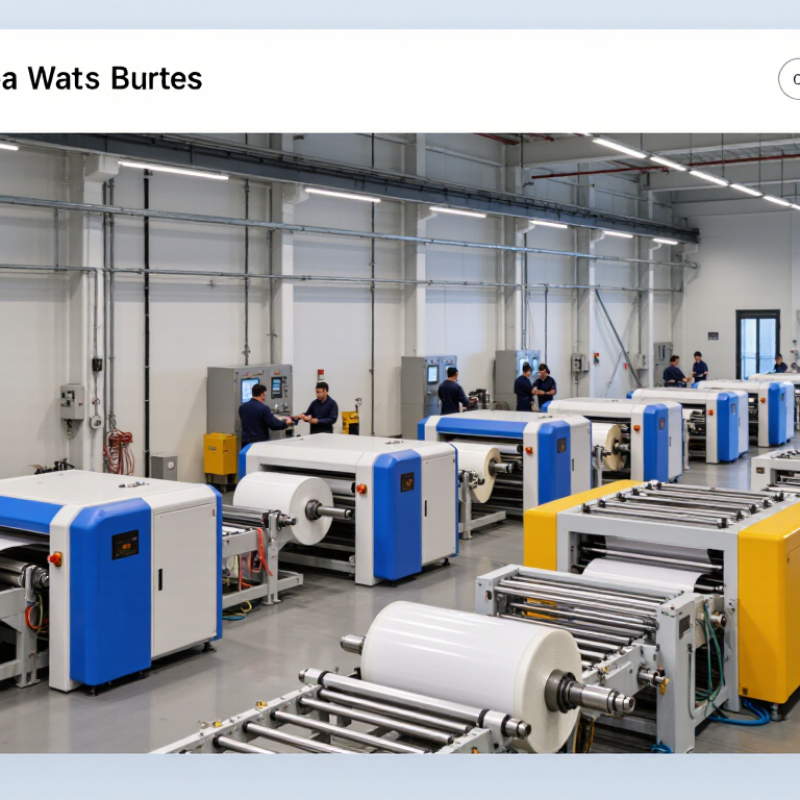
Table of Contents [Hide]
What Plastic Coating Machines Are and How They Work
China Top 10 Plastic Coating Machine Manufacturers
What Plastic Coating Machines Are and How They Work
Plastic coating machines apply a controlled layer of polymer material to surfaces such as metal sheets, pipes, films, or molded parts. The coating can improve appearance, insulation, corrosion resistance, or surface durability. In practical production, operators select the machine according to material type, coating thickness, line speed, and heating requirements.
The process begins with surface cleaning and preparation. A feeding system then moves the workpiece through the coating area. Depending on the design, the machine may use spraying, dipping, extrusion, or electrostatic application. Heated rollers or infrared zones help soften and spread the polymer evenly. Cooling sections then stabilize the finished layer. Small adjustments matter. A slight temperature change can create bubbles, weak adhesion, or uneven gloss.
Modern equipment commonly includes sensors, programmable controls, pumps, heaters, and tension systems. These components monitor speed, pressure, temperature, and coating thickness during operation. Experienced technicians still inspect samples because automatic readings can miss edge defects or contamination. The process is not perfectly uniform. Material humidity, dust, and surface shape can change the result. A useful quality routine includes test panels, thickness checks, adhesion testing, and regular cleaning. Safety guards, ventilation, and compliant electrical systems also require attention. One assumption often fails: faster production does not always mean better output. Careful calibration usually protects consistency and reduces material waste.