
-
- Products
- Indoor Household Cords
- Appliance Cords
- General Purpose Short-Length Cords
- General Purpose Extension Cords
- Landscape & Decorating Cords
- Bright Color Extension Cords
- Oil-Resistant Extension Cords
- Cold-Flex Extension Cords
- VividFlex Power Cords
- EXTREME All-Weather Cords
- Cord Management
- Task Lights
- Adapters & GFCI Devices
- Where to Buy
- About
- Careers
- Glossary
- Catalog


China Top 10 Solar LED Flood Lights Suppliers?
China’s solar manufacturing base makes the country a major sourcing hub for Solar Led Flood Lights. IRENA’s Renewable Capacity Statistics 2024 reported 345.5 gigawatts of new solar photovoltaic capacity worldwide in 2023. China contributed a substantial share of that expansion. This scale supports competitive pricing, broad component access, and faster product customization.
However, factory volume does not guarantee field performance. The World Bank and ESMAP’s off-grid solar market research highlights the importance of product quality, after-sales support, and reliable customer data. These factors matter when lights operate beside rural roads, warehouse gates, or construction yards. A supplier’s product page may show bright beams and neat renderings. It may not show battery ageing after two rainy seasons.
This guide examines ten notable Chinese suppliers through practical sourcing criteria. These include LED efficiency, battery chemistry, autonomy hours, charging performance, IP ratings, controller protection, warranty terms, and certification evidence. Test reports and shipment experience also deserve attention. A strong supplier should explain how a 100-watt lamp performs after cloudy days, not only quote its peak output.
The ranking is useful, but not permanent. Prices, export records, and product quality can change quickly. Some suppliers excel at municipal projects, while others suit smaller distributors. That difference is easy to overlook. Readers should request current samples, inspection records, and written warranty conditions before placing orders. This approach combines published industry evidence with realistic procurement checks, creating a more credible starting point for comparing China’s top ten Solar Led Flood Lights suppliers.
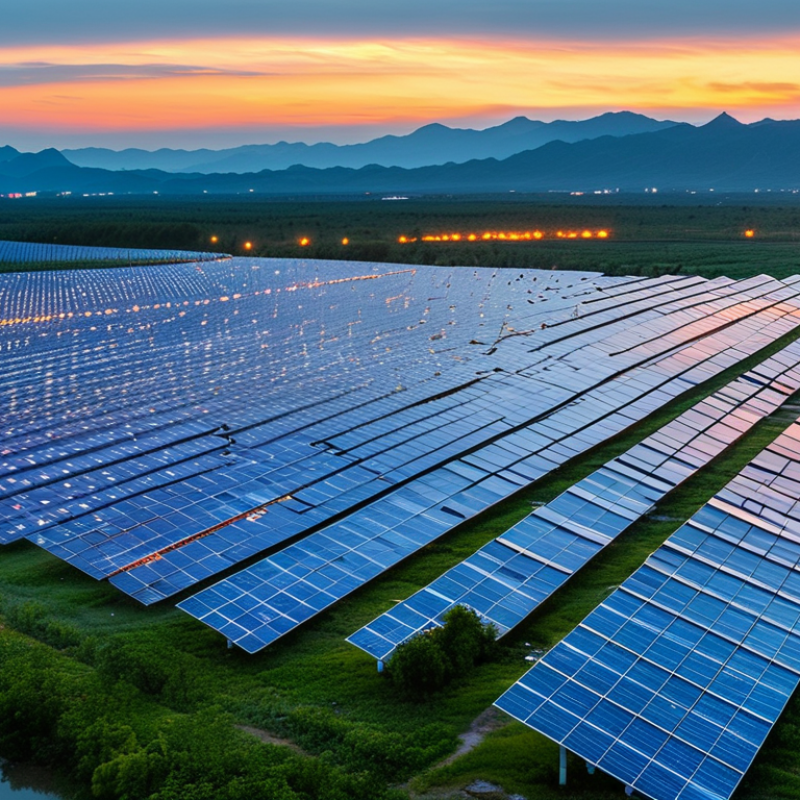
Table of Contents [Hide]
What Are Solar LED Flood Lights and How Do They Work?
Solar LED flood lights combine photovoltaic panels, rechargeable batteries, LED chips, and control circuits. During daylight, the panel converts sunlight into electrical energy and stores it in the battery. After dusk, a light sensor activates the LEDs automatically. This creates focused illumination for gardens, driveways, warehouses, and remote areas without a direct grid connection. In practical testing, brightness depends heavily on panel angle, battery capacity, weather, and the selected lighting mode.
Not every solar flood light performs equally. A cloudy afternoon may reduce operating time. Some products also advertise peak brightness instead of sustained output. That difference matters. Reliable suppliers should provide lumen data, battery specifications, charging times, ingress protection ratings, and test reports. Ask how the light performs after repeated charging cycles. The answer may be less impressive than the brochure.
Tips: Install the panel where shadows are minimal, ideally facing strong midday sunlight. Clean dust from the panel every few months. Choose motion sensing for short visits and steady lighting for security-sensitive areas. Check winter performance before ordering. My own preference is to leave extra capacity for cloudy days, although this increases cost and size. That trade-off deserves honest review.