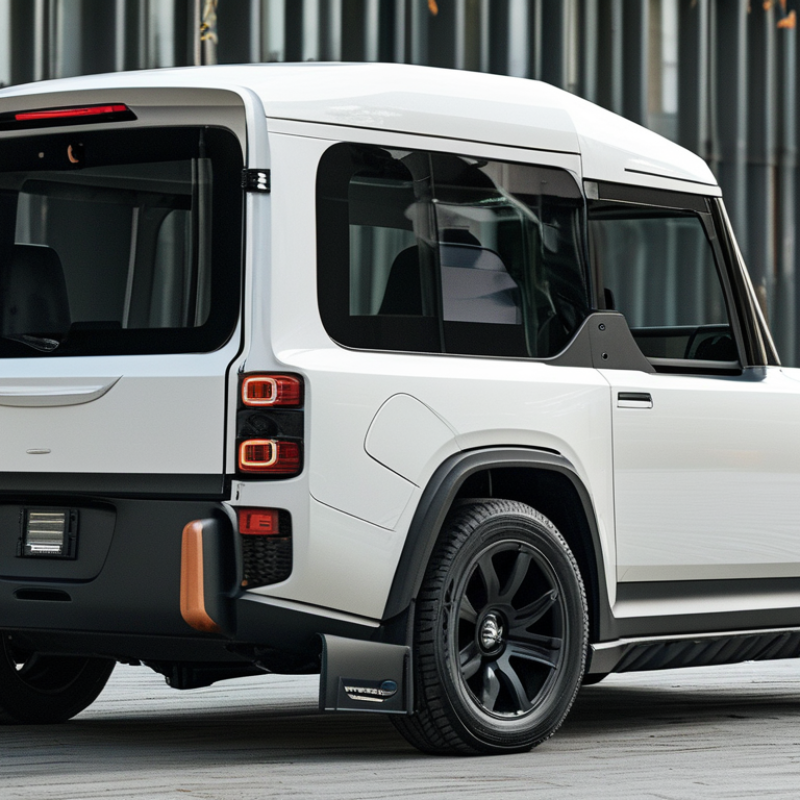
2026 How to Choose the Best Electric Mini Truck for Your Business?
Choosing the right Electric Mini Truck for your business can be challenging. With many options available, it’s crucial to make an informed decision. An Electric Mini Truck can enhance efficiency and reduce operational costs.
Consider factors such as payload capacity, range, and charging time. Research different brands and models. Look for those with positive reviews and robust warranties. The reliability of your Electric Mini Truck impacts your daily operations greatly.
However, there might be pitfalls. Some models may not fully meet your business needs or may require costly repairs. Analyze your requirements closely. Reflect on your specific use cases. In the end, the right Electric Mini Truck can empower your business growth.
Factors to Consider When Choosing an Electric Mini Truck for Business
Choosing the best electric mini truck for your business involves several critical factors. The first is payload capacity, which directly impacts your operational efficiency. Many electric mini trucks offer capacities between 1,500 to 3,000 pounds. Understanding your business needs is essential. If you frequently handle heavy loads, opt for a model on the higher end of this spectrum.
Range is another important consideration. Most electric mini trucks have a range of about 60 to 120 miles on a single charge. This affects how often you need to recharge during the day. If your routes exceed this range, you might face operational challenges. Look for options that offer rapid charging to minimize downtime.
Tips: Always check for available incentives for electric vehicles in your area. Many regions offer tax credits or rebates for businesses that invest in sustainable vehicles. Ensure you calculate the total cost of ownership, including maintenance and energy costs. Electric mini trucks can drastically reduce your carbon footprint, but their upfront costs may require careful financial planning.
Lastly, remember to assess the availability of service and parts. The electric vehicle market is growing, yet some models may lack long-term support. A well-supported truck can save you headaches later. Don't hesitate to reach out to industry experts for insights.
Battery Efficiency and Range Requirements for Your Operational Needs
When selecting an electric mini truck, battery efficiency and range are crucial. Adequate battery performance ensures that your operations are seamless. Depending on your daily routes, you may require different range capabilities. Understanding how far you need to travel on a single charge can save you from frequent recharging interruptions.
Tips: Assess your typical driving distance. Analyze real-world scenarios to understand your needs. Consider factors like payload and terrain. Some trucks might advertise a long range, but it often varies with load and conditions.
Moreover, consider the charging infrastructure available in your area. Charging times can differ based on the battery size and type. Some batteries require more time to reach full capacity, which can be inconvenient. A truck that meets your range requirements but takes too long to charge may disrupt your workflow.
Tips: Look for models with fast-charging capabilities. Evaluate your charging options at work and home. Make a backup plan for emergencies, as alternative charging may be necessary. Flexible charging solutions can enhance overall operational efficiency.
Battery Efficiency and Range of Electric Mini Trucks
Comparing Payload Capacities of Leading Electric Mini Truck Models
When selecting an electric mini truck, payload capacity is a crucial factor. It determines how much cargo the vehicle can carry, impacting efficiency. According to a comprehensive report by the Electric Vehicle Market Research Institute, leading electric mini trucks offer payload capacities ranging from 1,500 to 3,000 pounds. This range can significantly affect operational capabilities.
Different businesses require varying payloads. For instance, a delivery service may need a higher capacity to accommodate larger packages. In contrast, a landscaping company could manage with a lighter load. It's essential to analyze examples from industry reports, which indicate that trucks on the higher end of the payload spectrum often come with upgraded batteries and range capabilities. These enhancements, however, can significantly inflate the initial investment.
Furthermore, quality matters alongside capacity. Some models may advertise high payloads but have reliability issues. In practice, businesses witnessed that trucks with heavy payloads occasionally compromise efficiency. Regular maintenance and inspections become crucial. It's important to balance between outright capacity and practical use in daily operations.
Cost-Benefit Analysis: Purchase vs. Leasing Electric Mini Trucks
When analyzing the cost-benefit of purchasing versus leasing electric mini trucks, consider initial costs and long-term savings. A report from the International Council on Clean Transportation indicates that electric vehicles can save businesses up to 50% in fueling costs compared to traditional trucks. An average electric mini truck can cut fuel expenses significantly, benefiting businesses focused on sustainable practices.
Leasing an electric mini truck may reduce upfront costs, allowing businesses to allocate funds elsewhere. For some companies, leasing can provide up to 20% lower monthly payments compared to traditional financing options. However, lease agreements often have mileage restrictions and may limit customization. This can impact operational efficiency if vehicles are not optimally aligned with business needs.
On the other hand, purchasing an electric mini truck requires a larger initial payment but can provide long-term financial benefits. Ownership allows for customization according to specific operational requirements. According to the U.S. Department of Energy, the total cost of ownership for electric trucks is estimated to be lower over five years compared to gasoline alternatives. Yet, businesses need to weigh these benefits against potential maintenance costs. Evaluating the specific operational context is crucial before making a decision.
Regulatory Compliance and Incentives for Electric Vehicles in Business
Regulatory compliance plays a crucial role in choosing the right electric mini truck for your business. In the U.S., numerous federal and state regulations guide the adoption of electric vehicles (EVs). Businesses should be aware of the Corporate Average Fuel Economy (CAFE) standards, which aim to improve fuel efficiency. Failure to comply can result in penalties, underscoring the importance of regulations over mere convenience.
Incentives can significantly impact the total cost of ownership. The IRS offers a federal tax credit of up to $7,500 for electric vehicles. Many states amplify this with additional rebates. According to the International Council on Clean Transportation, such incentives can reduce EV purchase costs by nearly 40%. However, businesses must monitor changes in these incentives, as they can shift unpredictably, affecting financial projections.
Navigating these complexities can be daunting. Regulatory frameworks vary by location, adding an extra layer of confusion. Furthermore, not all vehicles qualify for the same incentives. Conducting thorough research can help businesses avoid overlooking crucial guidelines that might affect their investment decisions.
2026 How to Choose the Best Electric Mini Truck for Your Business? - Regulatory Compliance and Incentives for Electric Vehicles in Business
| Criteria | Description | Examples |
| Payload Capacity | The maximum weight the truck can carry. | 500 - 1500 kg |
| Range | Distance the truck can travel on a full charge. | 80 - 200 miles |
| Charging Time | Time required to fully charge the battery. | 4 - 8 hours |
| Incentives | Government or local grants and tax rebates. | Up to $7,500 federal tax credit |
| Regulatory Compliance | Safety and emissions standards requirements. | EPA and DOT regulations |
| Maintenance Costs | Estimated yearly costs for upkeep and repairs. | $500 - $1,000 |