How to Choose the Right Extension Cord Wire for Your Needs?
Choosing the right extension cord wire can feel overwhelming. With various options available, it's essential to understand your specific needs. Selecting the wrong cord can lead to inefficiencies or even hazards.
Extension cord wire comes in different gauges, lengths, and features. A thicker wire can handle more power, while a lighter gauge is suitable for small devices. However, many people overlook the importance of the power rating. Ignoring this aspect can lead to overheating and potential fire risks.
Think about how you plan to use the extension cord. Will it be for indoor or outdoor use? It's a critical factor. Environment and distance matter. Also, consider the appliances you'll connect. Remember, not all extension cords are created equal. Each choice carries weighty consequences. Take time to reflect on your specific needs before making a purchase.
Understanding the Basics of Extension Cord Wire Specifications
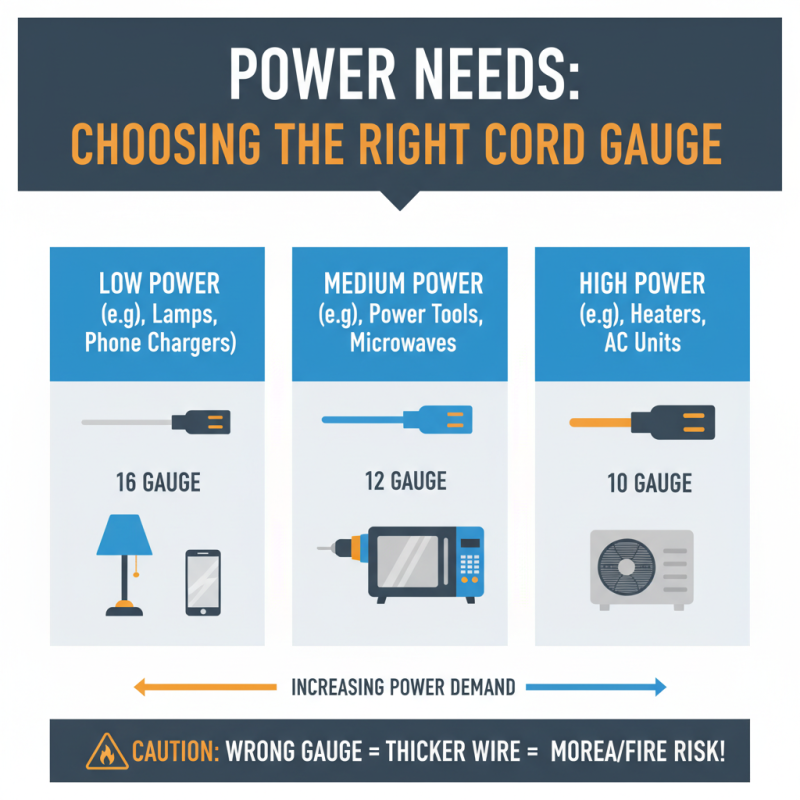
When selecting the right extension cord wire, it’s crucial to understand the specifications. The wire gauge is a key factor. Generally, the lower the gauge number, the thicker the wire. Thicker wires can carry more electricity, making them suitable for high-power devices. A 12-gauge wire, for instance, can handle up to 20 amps, while a 16-gauge wire may only support 10 amps. This distinction is important for safety and performance.
Another factor to consider is the cord length. Longer cords can lead to voltage drop, which may reduce the efficiency of your devices. According to the National Electrical Code, extending cord lengths can contribute to resistance, potentially causing overheating. For example, a 100-foot 16-gauge extension cord may lose 10% of the voltage when carrying a high load. Understanding these parameters impacts the choice you make.
Always think about the environment too. Indoor cords differ from outdoor cords in both insulation and durability. Outdoor cords are made to withstand moisture and temperature changes. Ignoring these details may lead to hazards. Users often overlook these aspects, which can result in improper usage. Awareness is key to ensuring safety and longevity in your electrical needs.
Determining the Right Gauge for Your Power Needs
Choosing the right gauge for your extension cord is crucial. Gauges indicate the wire’s capacity to carry current safely. A lower gauge number means thicker wire. Thicker wires can handle more power. If you underestimate the wire size, you risk overheating. This could lead to fires or damage your devices.
Consider the devices you want to power. High-wattage tools require a lower gauge. For example, a 10-gauge cord is ideal for heavy-duty tools. On the other hand, small appliances can work with a 16-gauge cord. If you use the wrong gauge, the device may not operate efficiently. Sometimes, people opt for convenience over safety. Avoid this trap.
It’s also important to think about distance. Longer cords need larger gauges. Voltage drop can occur over long runs. If you’re not careful, the power loss is significant. Take time to measure your needs. Reflect on your wattage requirements carefully. Being mindful here can prevent future issues.
Evaluating Cord Length and Its Impact on Voltage Drop
When choosing an extension cord, one vital factor to consider is the length of the cord. The distance between the power source and the connected device affects performance. A longer cord can lead to voltage drop, which reduces the power delivered to your device. This can affect the efficiency and functionality of appliances. It's essential to measure the distance you'll need accurately.
Voltage drop occurs because of resistance in the wire. The longer the cord, the more resistance you encounter. For example, if you use a 100-foot cord for a high-draw appliance, you might not get the power needed. This could cause the appliance to underperform or even overheat.
Think about your specific needs. Sometimes, people underestimate the needed length. They may buy a short cord and find it inconvenient. It’s essential to strike a balance between length and voltage drop. Consider the gauge of the wire too; thicker wires can manage longer distances better, minimizing voltage loss. Do a little research on your appliances before purchasing. Make sure you’re making a wise investment in your extension cord.
Identifying Safety Ratings and Certifications for Extension Cords
When choosing an extension cord, safety ratings are crucial. An extension cord's safety certification informs users about its efficacy and reliability. Look for UL (Underwriters Laboratories), ETL (Intertek), or CSA (Canadian Standards Association) logos. These seals indicate that the cord has undergone rigorous testing.
According to the National Electrical Manufacturers Association (NEMA), over 3,300 electrical fires occur annually due to improper use of extension cords. Using cords without recognized safety ratings can increase risks significantly. A cord rated for outdoor use is thicker and can handle more watts, which prevents overheating. Some cords even feature built-in circuit breakers for extra safety.
Even with these certifications, it’s essential to use cords correctly. Many users underestimate the importance of choosing the right gauge. The cord’s gauge affects how many devices can be safely used. Using a 16-gauge cord for high-wattage appliances can be a disaster waiting to happen. Ignoring these details leads to unwarranted risks. Taking time to understand safety ratings can save lives. It's worth investing effort in learning about these aspects.
Choosing Between Indoor and Outdoor Extension Cords: Key Differences
When choosing between indoor and outdoor extension cords, it’s essential to understand their differences. Indoor cords are often lighter and designed for low-voltage use. They tend to have a thinner gauge. This means they are not suitable for heavy appliances or outdoor use. Indoor cords should always stay dry and away from moisture.
Outdoor extension cords are built to withstand different weather conditions. They typically have a thicker gauge and insulation that protects against water and UV rays. These cords can handle higher voltage. You can use them for tools like lawnmowers or outdoor lights. However, using an outdoor cord indoors can be a mistake. It can lead to safety hazards, such as overheating.
Consider your exact needs before making a choice. Not every project requires the ruggedness of an outdoor cord. Sometimes, an indoor cord suffices. But always prioritize safety. If there’s doubt, err on the side of caution. It's better to reflect on what suits your needs best than to face potential mishaps later.
Extension Cord Wire Gauge Comparison
This chart compares the ampacity of different wire gauges used in extension cords, illustrating the optimal capacity for safe electrical load based on wire size.