How to Choose the Right Power Cord Cable for Your Electronics with Expert Tips
In the rapidly evolving realm of electronics, selecting the appropriate power cord cable is crucial for optimizing performance and ensuring safety. According to a report by the International Electrotechnical Commission (IEC), improper power cord usage is responsible for over 30% of electrical failure cases in consumer electronics annually. With a market projected to reach $17 billion by 2025, the significance of choosing the right power cord cable cannot be overstated.

Expert in electrical engineering, Dr. Emily Parker, emphasizes the importance of this decision, stating, “A power cord cable may seem like a minor component, but its quality and compatibility can significantly impact the overall efficiency and safety of your devices.” As consumers continue to invest in high-performance electronics, understanding the technical specifications and safety standards associated with power cords becomes essential. This guide aims to provide you with expert tips to navigate the complexities of selecting the ideal power cord cable for your electronics, ensuring both optimal performance and peace of mind.
Understanding the Different Types of Power Cords and Their Uses
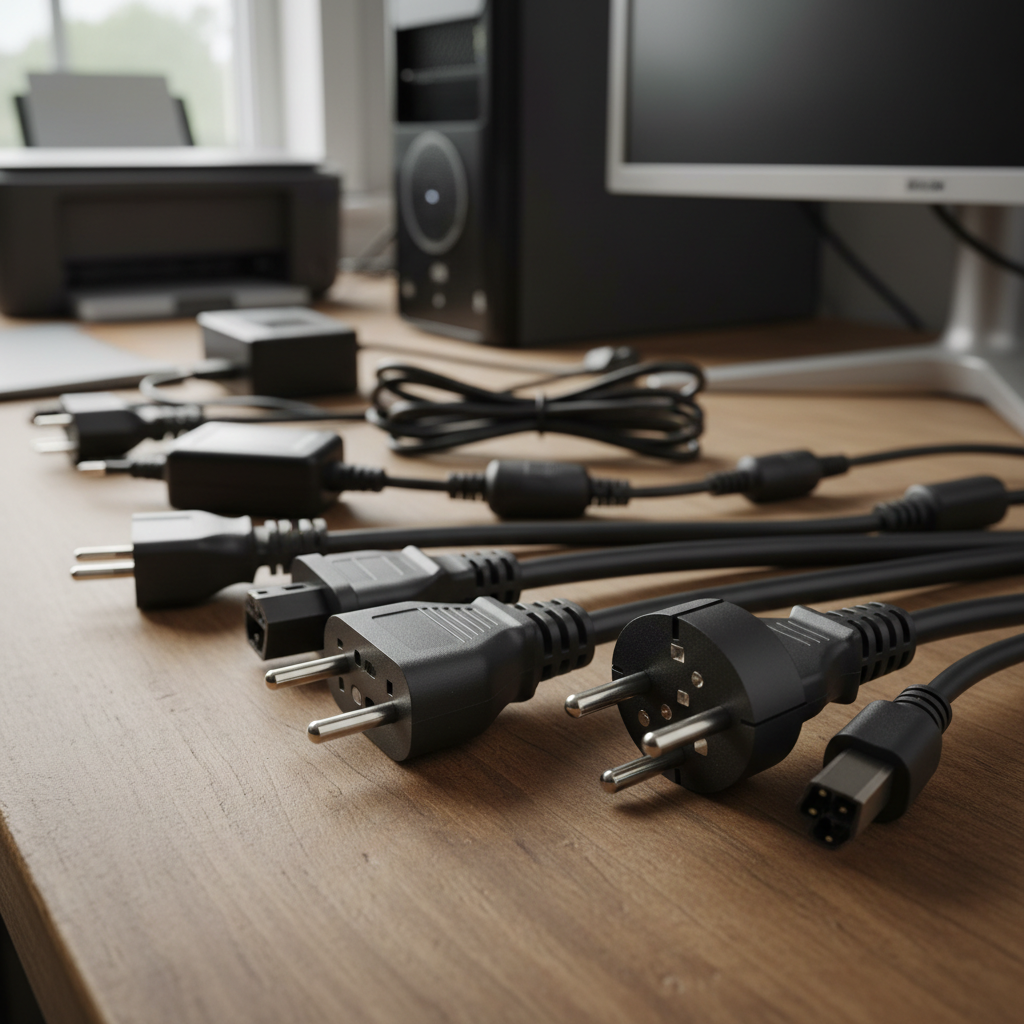
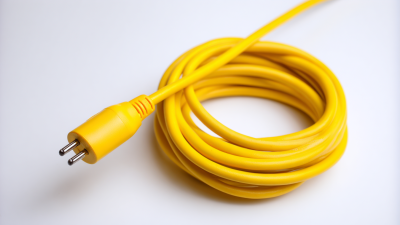
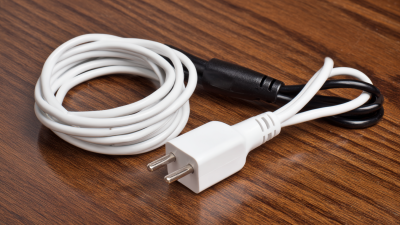
When selecting the right power cord for your electronics, it's essential to understand the different types available and their specific uses. Most commonly, you’ll encounter basic power cords, often found with personal computers and monitors, which are typically AC power cables featuring a three-prong configuration for grounding. This type is designed to connect devices to standard wall outlets, ensuring electrical safety and efficiency.
Additionally, there are specialty power cords, such as those used for high-performance printers, gaming consoles, or audio equipment. These cords may provide extra features like thicker insulation for better durability or noise reduction capabilities. USB power cords, on the other hand, are prevalent in charging smaller electronics like smartphones and tablets; they offer versatility with various connector types and power ratings. Understanding these distinctions will allow you to choose the most suitable power cord, ensuring your devices operate safely and effectively.
Key Specifications to Look For When Choosing Power Cables
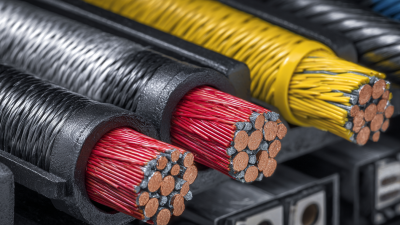
When selecting the right power cord cable for your electronics, it's essential to consider several key specifications. First, examine the cable's gauge, which indicates its thickness. A lower gauge number signifies a thicker cable, capable of carrying more current and providing better performance for high-power devices. Additionally, ensure the voltage rating of the cable matches the requirements of your electronic devices to prevent overheating or damage.
Another critical aspect is the cable's length. While longer cables offer flexibility in placement, they can result in voltage drops that affect performance. Choose a length that balances convenience and efficiency. Be mindful of the connectors as well; look for cables with compatible plugs that fit securely into your devices and power outlets.
**Tips:** Always check for safety certifications, such as UL or ETL, which indicate that the cable meets strict safety standards. Investing in high-quality cables can enhance the longevity of your electronics and significantly reduce the risk of electrical hazards. Moreover, consider the environment where the cable will be used, ensuring it is rated for any specific conditions, such as outdoor use or exposure to heat.
How to Choose the Right Power Cord Cable for Your Electronics with Expert Tips - Key Specifications to Look For When Choosing Power Cables
| Specification |
Description |
Recommended Value |
| Voltage Rating |
The maximum voltage the cable can safely handle |
120V - 240V |
| Current Rating |
The maximum current the cable can safely carry |
5A - 20A |
| Cable Length |
The total length of the power cord |
1m - 5m |
| Connector Type |
The type of plugs used at both ends of the cable |
NEMA 5-15P, IEC C13 |
| Insulation Material |
Material used to insulate the wires |
PVC, Rubber |
| Safety Certifications |
Certifications that ensure the cable meets safety standards |
UL, CE, RoHS |
Safety Features and Standards to Consider for Electronics Power Cords
When choosing the right power cord for your electronics, safety features and standards are paramount. Look for cords that have been certified by recognized safety organizations, ensuring they meet specific electrical safety standards. This is particularly important when traveling, as different countries have varying electrical norms. Always check the voltage and current ratings to ensure compatibility with your devices while abroad.
Tips: Before purchasing a power cord, consider the length you need and whether you require a standard or specialized cord. For traveling to Europe, a quality plug adapter is essential for compatibility with local outlets. Ensure that your adapter supports both the plug type and voltage requirements of your devices to avoid overheating or damage.
The recent implementation of common charger rules in the EU underscores the importance of standardization in electronics. With all new devices now required to support USB-C, users can simplify their charging needs by utilizing a single cable for multiple devices. This transition not only reduces electronic waste but also enhances convenience while traveling, allowing you to power all your devices effortlessly.
Tips for Properly Maintaining and Storing Your Power Cables
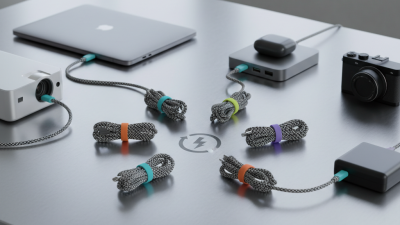
Proper maintenance and storage of power cables are crucial for ensuring their longevity and optimal performance. One of the most important tips is to always unwind the cables completely before use to avoid any kinks or tangles that may lead to wear and tear over time. When winding cables for storage, it’s best to use the figure-eight method. This technique prevents stress on the wire and keeps the cables organized, making them easier to access when needed.
Additionally, temperature and humidity control play a significant role in preserving the integrity of your power cords. Store them in a cool, dry place away from direct sunlight and extreme temperatures, which can cause insulation to degrade. Using cable organizers or bins can help keep your cables separated and prevent them from becoming tangled with other items. Regularly inspecting your cables for any signs of damage, such as fraying or discoloration, allows for timely replacements and helps maintain safety when using electronics. By following these simple tips, you can ensure the longevity and reliability of your power cables.
Power Cord Usage by Type
Expert Recommendations on Popular Brands and Models of Power Cords
When selecting the right power cord for your electronics, considering expert recommendations can significantly simplify the process. Some well-regarded brands like Belkin, Tripp Lite, and AmazonBasics have established themselves in the industry for their reliability and performance.
Belkin’s power cords are known for their durability and flexibility, making them an excellent choice for devices requiring frequent adjustments.
Tripp Lite often offers heavier gauge cables that are suitable for high-performance electronics, ensuring minimal signal loss and optimal power delivery.
In terms of specific models, the Belkin 10-Foot Long Extension Cord provides versatility for those needing length without sacrificing quality, while the AmazonBasics Heavy Duty Extension Cord is favored for its affordability and robustness.
Tripp Lite’s 6-Outlet Surge Protector, on the other hand, combines power management with extra protection, ideal for more sensitive equipment.
Whether you’re powering a simple laptop or a complex home theater system, these options cater to a variety of needs, ensuring that you have the right power cord for your device.