
-
- Products
- Indoor Household Cords
- Appliance Cords
- General Purpose Short-Length Cords
- General Purpose Extension Cords
- Landscape & Decorating Cords
- Bright Color Extension Cords
- Oil-Resistant Extension Cords
- Cold-Flex Extension Cords
- VividFlex Power Cords
- EXTREME All-Weather Cords
- Cord Management
- Task Lights
- Adapters & GFCI Devices
- Where to Buy
- About
- Careers
- Glossary
- Catalog


How to Choose the Best Garden Shed in 2026
A Garden Shed can become a calm, useful corner—or an expensive box that never quite fits. The difference often starts before you compare prices. Measure the space, list what you will store, and picture how you will reach each item on a wet Tuesday. A mower needs a wider doorway than a stack of cushions. Small details matter.
Garden-building consultant Mark Hensley offers a practical rule: “Choose your shed for the jobs it must do, not the picture in the brochure.” That means weighing material, floor strength, ventilation, security, and upkeep against your garden and budget. Timber can look warm beside a fence, but it needs regular care. Metal may need less maintenance, while resin can be easier to clean. None is perfect. Local weather and installation quality can change the result.
This guide explores the decisions that shape a good purchase in 2026: size and placement, materials, foundations, storage features, costs, and long-term maintenance. Expect straightforward checks, not magic answers. A level base matters. So does space to open the door. Think about sunlight, drainage, and the view from your kitchen window. Then compare options with those needs in mind. A shed should serve your garden, not dominate it. It is easy to underestimate what you will store—and how quickly clutter returns. That deserves a second look.
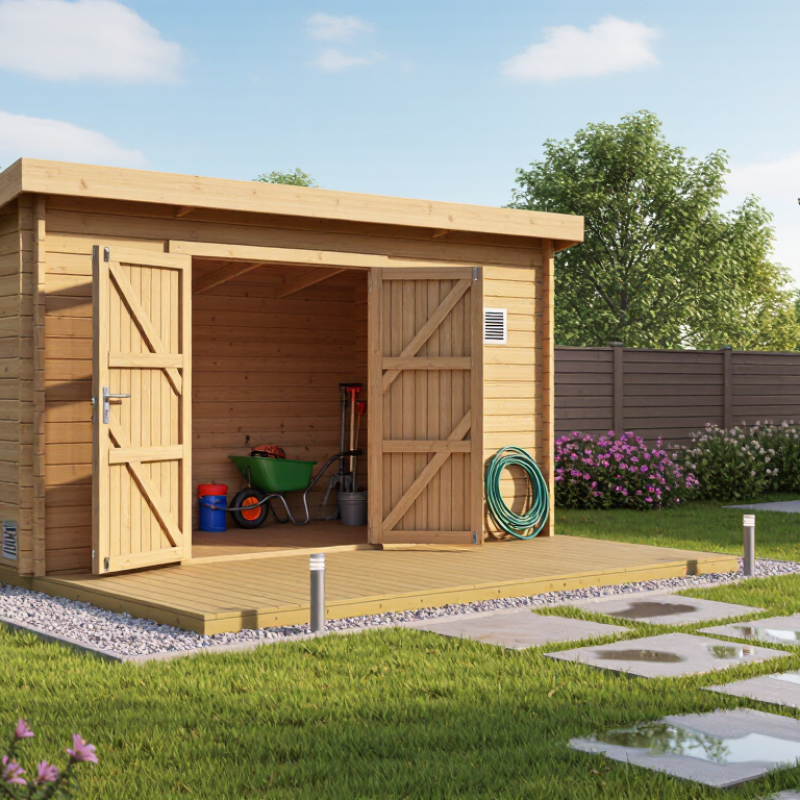
Table of Contents [Hide]
Identify Your Storage Needs and Available Garden Space
Before comparing shed styles, list what the shed must hold. A few garden tools need less room than a mower, bicycles, potting supplies, and winter cushions. Measure bulky items, including handle widths and wheel clearance. Then add space to move around them. A shed can fit on paper yet feel cramped when its door opens. Measure twice. If shelves are planned, note their depth and height before choosing the interior layout.
Next, measure the usable garden area, not just the patch that looks empty. Mark the proposed footprint with string or cardboard, then walk around it and check the door’s approach. Leave practical clearance for maintenance and access; local site conditions may affect how much is sensible. Look for slopes, soft ground, overhanging branches, and places where rainwater collects. Check that the shed will not block a path or shade a planting bed you value. Leave room. A slightly smaller shed may work better than one that crowds the garden, though it can mean storing some items elsewhere. It is easy to underestimate how often you will need to reach the back corner. A simple sketch with measurements can reveal that problem before installation.