2026 How to Choose the Best Long Extension Cords for Your Needs?
Choosing the right long extension cords can enhance your experience with electrical devices. These cords are versatile and necessary for various situations. They allow you to power tools, lighting, and other equipment away from outlets.
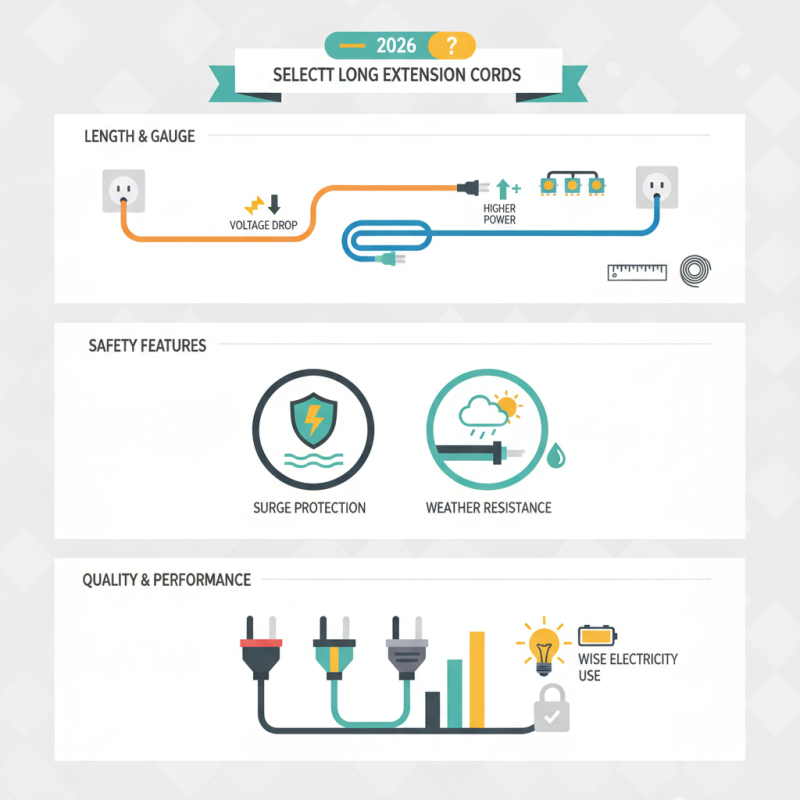
When selecting long extension cords, pay attention to the length and gauge. A longer cord can help reach distant outlets, but it may lead to voltage drop. Thicker cords usually handle power better but can be less flexible.
Furthermore, think about safety features. Look for cords with surge protection or weather resistance. This can increase their reliability. Testing different brands may reveal significant differences in quality. Finding the best long extension cords is crucial for performance and safety. It demonstrates our commitment to using electricity wisely.
Understanding Your Power Needs for Extension Cords
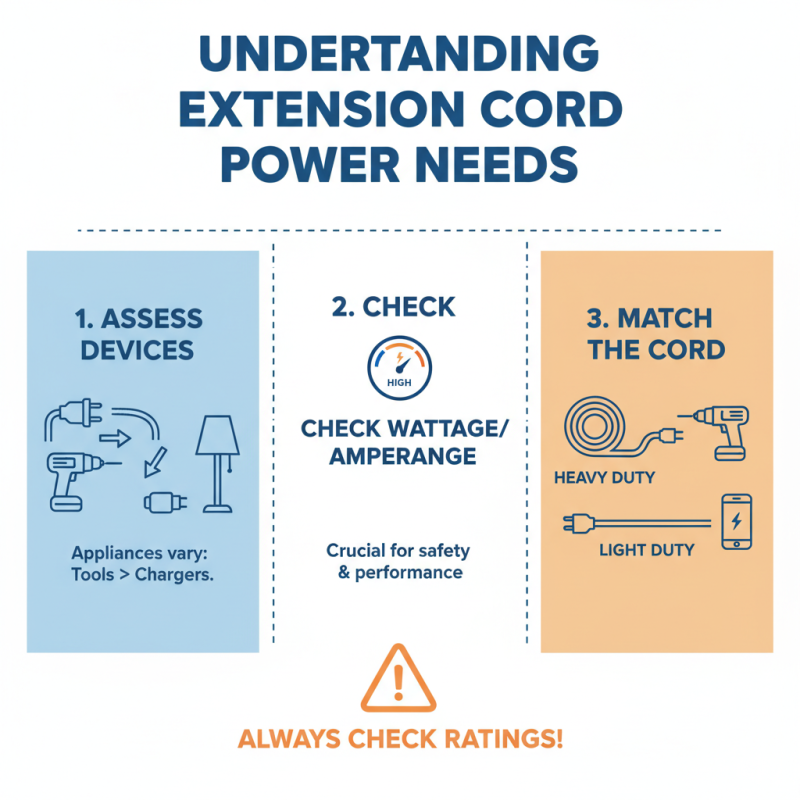
When considering extension cords, understanding power needs is crucial. Begin by assessing the devices you will connect. Appliances vary widely in power consumption. Heavy-duty tools may require more amperage than simple chargers. Always check the wattage needs before selecting an extension cord.
Choosing the right gauge is equally important. Thicker cords can handle more power but may be less flexible. This can be an inconvenience. If you use the cord frequently, comfort becomes a factor. Also, length matters. Cords that are too long can lose voltage. This can affect performance and results in wasted energy. Don't overlook that too much length can lead to overheating.
Consider your environment when selecting a cord. Indoor and outdoor cords have different ratings. Outdoor cords need to resist moisture and rugged conditions. Reflect on your habits. Are you often moving items around, or are they stationary? Evaluate the balance between mobility and power needs. This reflection can refine your choice significantly.
Key Features to Look for in Long Extension Cords
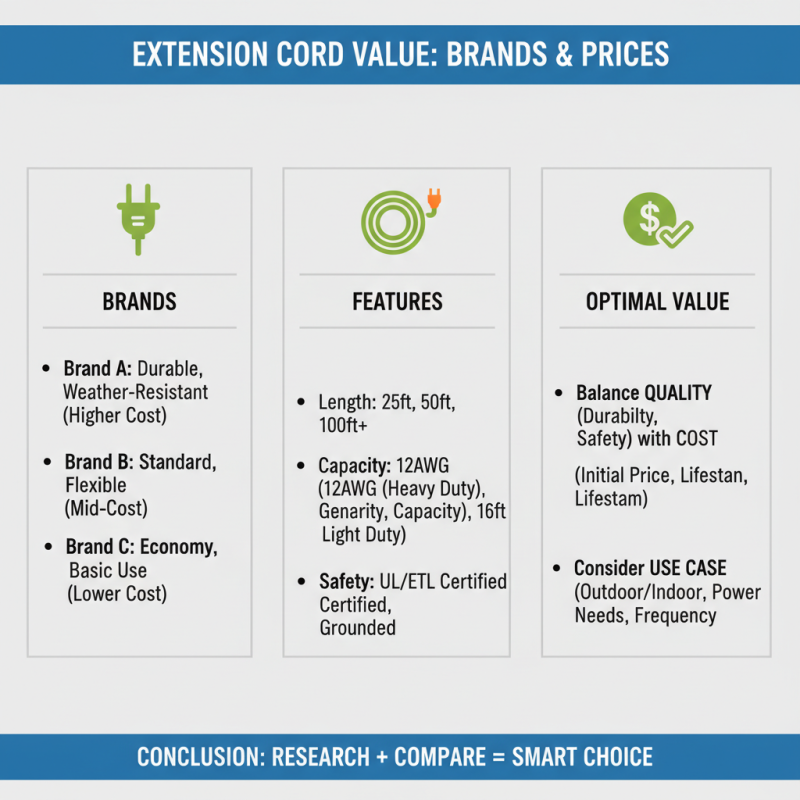
When selecting long extension cords, several key features demand attention. The gauge of the wire is critical. A lower gauge number indicates thicker wire. Thicker wires handle more current. Choosing a 12-gauge cord is usually best for heavy-duty needs. However, if you're using lighter devices, a 14 or 16-gauge may suffice. Make sure the power needs of your devices are within the cord’s capacity.
Length is another vital factor. Long cords can reach distant power sources. However, longer means potential voltage drop. That's a real concern for high-draw devices. Additionally, consider the material quality and insulation type. Durable insulation protects against the elements. For outdoor use, look for cords rated for wet conditions. Not all cords are built the same; some just won't last.
Safety features shouldn’t be overlooked. Look for cords with built-in circuit protection. This shields devices from power surges. Lighted ends help indicate power availability. Yet, not all cords come with these labels. It’s crucial to research and ensure your selection meets safety standards. Sometimes, even the most durable cords can wear out faster than expected. Regular inspection keeps your devices safe.
Assessing Cord Length and Gauge for Safety and Efficiency
When selecting long extension cords, understanding cord length and gauge is crucial for safety and efficiency. A shorter cord usually minimizes energy loss, making it ideal for quick tasks or nearby outlets. If you need to power devices far from an outlet, consider a longer cord. However, longer lengths can lead to voltage drops, impacting performance. Always think about how far your projects extend.
The gauge of the cord determines its capacity to handle current. Lower gauge numbers indicate thicker wires that can carry more power. A 12-gauge cord, for example, is suitable for heavy appliances, while a 16-gauge cord works for light-duty tools. Many overlook gauge, believing all cords are created equal. Ignoring this can lead to overheating and potential hazards.
It’s vital to assess your power needs based on the devices you plan to use. Take time to evaluate the cord specifications. A mismatch between the cord gauge and your equipment's requirements can result in inefficiency. Reflect on what you really need. Finding the balance between convenience and safety is often challenging.
2026 How to Choose the Best Long Extension Cords for Your Needs?
| Cord Length (feet) |
Gauge |
Maximum Current (Amps) |
Usage Recommendation |
| 25 |
16 |
10 |
Light appliances, garden tools |
| 50 |
14 |
15 |
Power tools, outdoor equipment |
| 100 |
12 |
20 |
Heavy duty tools, heaters |
| 150 |
10 |
30 |
Construction tools, large appliances |
| 200 |
10 |
30 |
Stage lighting, multiple devices |
Evaluating Durability and Weather Resistance in Extension Cords
When choosing extension cords, durability and weather resistance should be top priorities. High-quality materials are crucial for long-term use. Cords made from rubber or heavy-duty PVC are usually more durable. They resist wear and tear from daily use.
Look for cords with reinforced connections to avoid fraying. This feature adds to the cord's lifespan.
Weather resistance is vital if the cord will be used outdoors. Check the cord's rating for UV exposure and moisture. Cords designed for outdoor use often have added insulation that withstands extreme temperatures. Always choose cords with appropriate safety ratings.
This ensures they can handle different weather conditions without damage.
Tips: Always store cords in a dry place. This prevents moisture accumulation that can lead to short circuits. If you notice any signs of wear, like cracks or exposed wires, replace the cord immediately. Testing cords for functionality can help prevent accidents and ensure reliability.
These practices keep your equipment safe and functioning well.