
-
- Products
- Indoor Household Cords
- Appliance Cords
- General Purpose Short-Length Cords
- General Purpose Extension Cords
- Landscape & Decorating Cords
- Bright Color Extension Cords
- Oil-Resistant Extension Cords
- Cold-Flex Extension Cords
- VividFlex Power Cords
- EXTREME All-Weather Cords
- Cord Management
- Task Lights
- Adapters & GFCI Devices
- Where to Buy
- About
- Careers
- Glossary
- Catalog


How to Choose a Commercial Display Cooler in 2026?
Choosing a Commercial Display Cooler in 2026 is not just a matter of picking a cabinet that looks bright and spacious. The right unit must hold safe, steady temperatures while keeping products visible and operating costs manageable. A warm aisle, frequent door openings, and strong display lighting can all affect performance. Small details matter.
ENERGY STAR reports that certified commercial refrigerators and freezers are about 20% more energy-efficient than standard models. That figure offers a useful benchmark, but it is not a promise of identical savings in every shop. The International Energy Agency’s The Future of Cooling report projects that global energy demand for space cooling could more than triple by 2050. The report covers cooling broadly, not display coolers alone, yet it highlights why efficiency deserves careful attention.
This guide looks at the practical checks buyers should make: usable capacity, temperature consistency, energy use, glazing, lighting, noise, maintenance access, and service support. Compare the product’s test data and warranty terms, not just its headline specifications. A cooler that fits neatly in a plan may still block customer flow or struggle during busy hours. That happens. Match the unit to your products, shop layout, and local operating conditions, then verify performance claims with manufacturer documentation and independent certification where available.
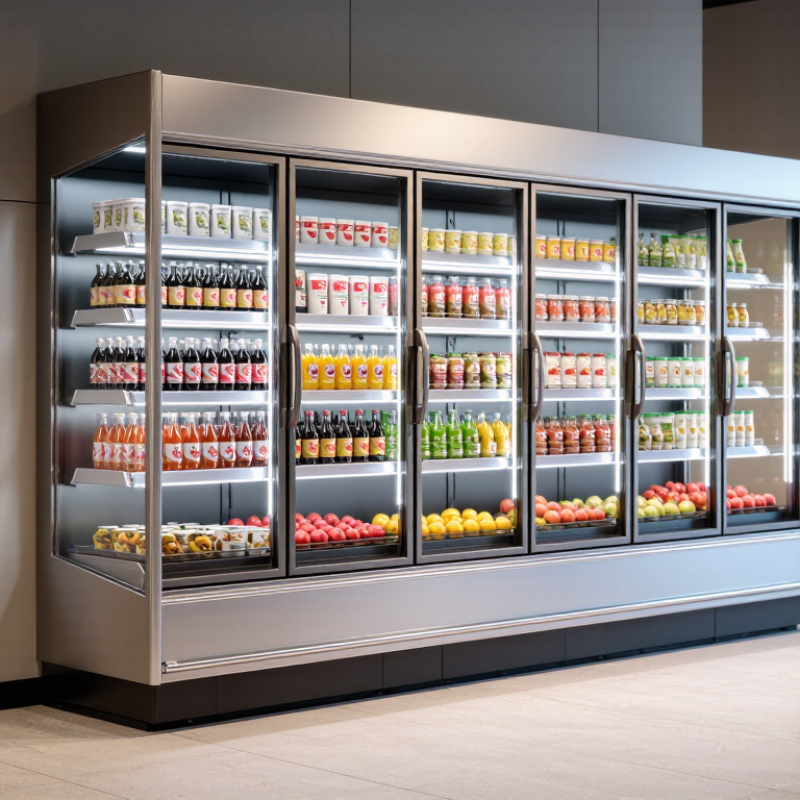
Table of Contents [Hide]
Define Your Products, Sales Volume, and Display Requirements
Before comparing cabinet sizes, list the products you plan to sell and how customers should see them. Bottled drinks, boxed desserts, and prepared salads need different shelf layouts and visibility. Measure the tallest package, including any lid or label that could catch on a shelf. Measure twice. Check whether products need steady chilled storage, extra space for airflow, or quick access during busy periods. A crowded cabinet can hide items and make restocking harder.
Estimate sales volume from normal weekdays and peak periods, not a single unusually busy day. Review how many items staff replenish per hour, and how often deliveries arrive. Leave room for stock rotation; shelves packed to the edge may look full but can obstruct airflow. Then consider the display itself: glass doors can help separate customers from products, while an open front may suit rapid grab-and-go service. Check aisle width, counter height, lighting, and sightlines from the entrance. Small details matter. Sales records are rarely perfect, so allow some flexibility rather than sizing the cooler around a guess. The best choice should fit the products, daily workflow, and space customers actually use.