How to Choose the Best Power Cords for Your Needs?
Choosing the right power cords can significantly impact your devices' performance and safety. According to a report by Grand View Research, the global power cord market was valued at $9.76 billion in 2022 and is expected to grow at a CAGR of 4.8% from 2023 to 2030. This growth highlights the importance of selecting suitable power cords for various applications, whether for home use or industrial settings.
Many users often overlook the specifications of power cords. Understanding amp ratings, wire gauge, and plug types are crucial. A misfit in power cords can lead to inefficient electricity use or even hazardous situations. The National Fire Protection Association found that faulty electrical cords are a leading cause of home fires. Ignoring this aspect can have severe consequences, emphasizing the need for careful consideration when making a selection.
The market is saturated with options, and not all power cords are created equal. Brands vary in quality, and buyers should be wary of low-cost alternatives that promise high performance. Reflecting on one's specific needs and the devices being powered can help narrow down choices. It’s vital to prioritize quality and safety when selecting power cords, as this decision ultimately affects reliability and device longevity.
Understanding Different Types of Power Cords and Their Applications
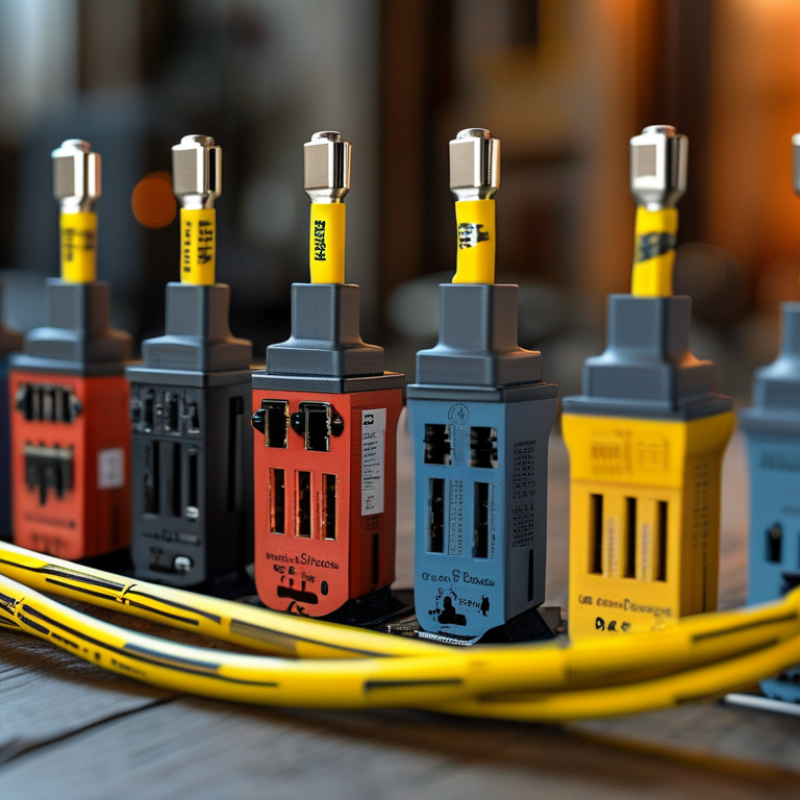
Understanding the different types of power cords is essential for making the right choice. Power cords vary in size, material, and application, affecting their performance and safety. For example, heavy-duty cords are designed for high-current devices, while lightweight options suit smaller electronics. Using the wrong type can lead to overheating or electrical failures.
Another consideration is the cord length. Longer cords offer flexibility but may reduce electrical efficiency. Conversely, short cords can limit placement options. Pay attention to the amperage and voltage ratings on cords. These must match your devices to ensure safe operation.
Lastly, consider where you will use these cords. Outdoor cords must be weather-resistant, while indoor options can focus on aesthetics and flexibility. It’s essential to evaluate your specific needs. Not every cord is suitable for every situation. Understanding these details can help you avoid potential hazards and disappointments in your setup.
Determining the Correct Length for Your Power Cord Requirements
When selecting a power cord, length is crucial. Too short, and you risk stretching or straining connections. Too long, and you create trip hazards and clutter. The ideal cord length hinges on your specific needs and environment.
Consider where the cord will be used. If it’s for a stationary appliance, measure the distance to the outlet accurately. A few extra feet might provide flexibility but could also make the setup cumbersome. Think about how often you rearrange your space. Changing locations frequently? A longer cord could ease the transition, but ensure it doesn’t overwhelm the area.
In some cases, longer cords can lead to power loss. This can affect appliance efficiency. It’s worth reflecting on the balance between necessity and practicality. Investigate the specifications of your equipment to choose the best length without compromising safety or performance.
Evaluating Voltage and Amperage Ratings for Safe Usage
When choosing power cords, evaluating voltage and amperage ratings is crucial for safety and performance. Voltage indicates how much power a cord can handle. Most residential cords operate at 120V. However, certain devices require 240V for optimal performance. Always check the specifications of your devices against the cord ratings to avoid potential hazards.
Amperage ratings determine how much current a cord can safely carry. Exceeding this limit can lead to overheating and, in severe cases, fires. For example, a typical 16 AWG cord can handle up to 13 amps. On the other hand, a 14 AWG cord is rated for 15 amps. Using cords with higher amperage ratings than necessary can create inefficiencies and risks.
Tip: Always inspect cords for frays or damage. A damaged cord can compromise safety, regardless of its voltage and amperage capabilities. When in doubt, consult a professional technician for guidance on cord selection. Proper education on these factors empowers users to make informed choices, reducing risks and ensuring reliable performance. Power cords are essential, but safety should always come first.
Power Cords Voltage and Amperage Ratings
Identifying Compatibility with Devices and Outlets
When choosing power cords, it's essential to identify compatibility with your devices and outlets. Different devices require specific types of cords. For instance, laptops may need a unique plug type, while household appliances often use standard cords. Knowing your devices can prevent frustrating shopping experiences.
Tips: Always check the voltage and amp ratings on your devices. Make sure the cord can handle the required power. This helps avoid overheating or damage to your equipment.
Some outlets cannot accommodate every type of plug. Adapters exist, but they may not always provide a stable connection. It's wise to evaluate your outlets first. A poor fit can lead to malfunctions or safety hazards.
Tips: If uncertain about compatibility, consult device manuals or manufacturer websites. Gaining clarity on specifications ensures safe usage. When in doubt, ask a professional for assistance.
Considering Durability and Material for Long-term Use
When selecting power cords, durability and material are critical factors. High-quality materials can significantly affect a power cord's lifespan. For instance, cords made from oxygen-free copper are known for superior conductivity and reduced risk of corrosion. The National Electrical Manufacturers Association suggests that durable cords can last up to 10 years with proper care.
Tips: Look for cords with heavy-duty insulation. This can shield against wear and tear. Additionally, consider cords with a higher gauge rating for added strength. A thicker gauge typically means better performance and durability.
While cheaper options may seem appealing, they often compromise on quality. Many users report issues with low-cost cords, such as overheating or fraying. In fact, a Consumer Reports study found that 30% of low-end cords fail after a year of use. Therefore, investing in well-constructed cords made from robust materials is essential for long-term reliability.
Tips: Check for certifications from reliable safety organizations. These indicators can ensure that your choices meet industry standards. Always inspect cords regularly for signs of damage, as early detection can prevent safety hazards.