-
- Products
- Indoor Household Cords
- Appliance Cords
- General Purpose Short-Length Cords
- General Purpose Extension Cords
- Landscape & Decorating Cords
- Bright Color Extension Cords
- Oil-Resistant Extension Cords
- Cold-Flex Extension Cords
- VividFlex Power Cords
- EXTREME All-Weather Cords
- Cord Management
- Task Lights
- Adapters & GFCI Devices
- Where to Buy
- About
- Careers
- Glossary
- Catalog


How to Choose Drill Accessories for Global Sourcing?
Choosing the right Drill Accessories for global sourcing requires more than comparing prices on a supplier website. A reliable selection starts with the drilling task, material, machine type, and expected working conditions. A masonry bit for concrete should not be judged by the same standard as a cobalt bit for stainless steel. Small details matter, such as shank diameter, coating thickness, thread size, and packaging protection during long-distance transport.
Real sourcing experience also shows that supplier claims need careful checking. Request material certificates, dimensional drawings, sample photos, and batch inspection records before placing a large order. Test samples in realistic conditions, including heat, vibration, and repeated use. Ask how the factory controls hardness, tip alignment, and surface finish. These checks can reveal problems that polished catalog images hide.
Think beyond the first shipment.
Global buyers should confirm labeling, documentation, warranty terms, and destination-market requirements. Packaging should prevent rust, broken cutting edges, and mixed models inside one carton. Communication quality is another practical signal. If a supplier cannot clearly explain tolerances or replacement procedures, the risk may be higher than the quoted saving. Not every low-cost option is poor, and not every certified product performs perfectly. That is an uncomfortable point, but it deserves attention. A balanced sourcing decision combines technical evidence, supplier transparency, field testing, and total cost over the product’s service life. This approach helps buyers build a dependable Drill Accessories supply chain while leaving room to improve specifications after real customer feedback.
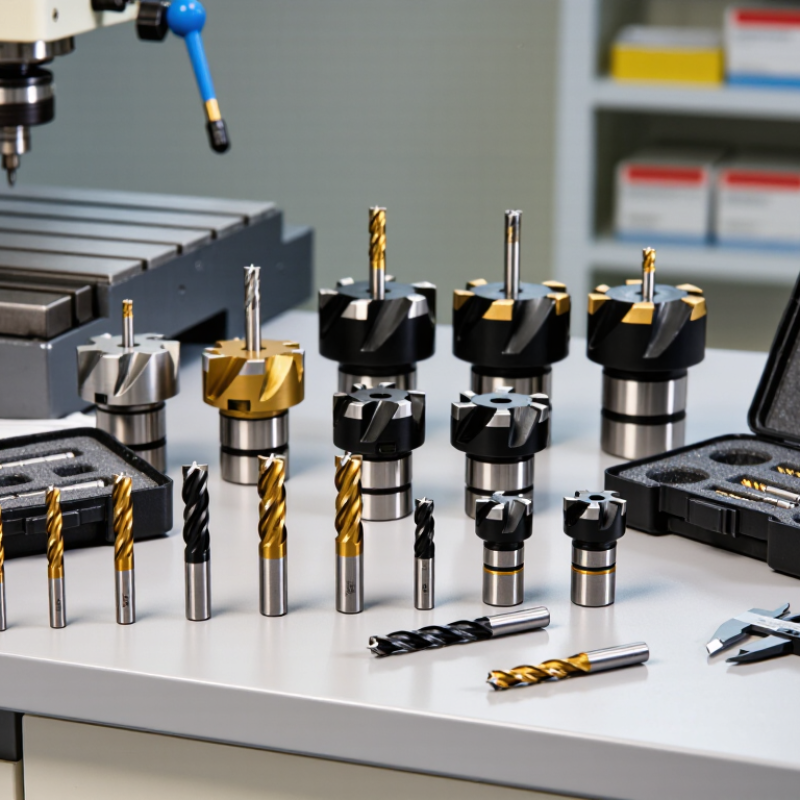
Table of Contents [Hide]
Understanding Drill Accessories and Their Applications
Drill accessories are not interchangeable metal parts. A masonry bit needs a hardened tip, while a brad-point bit offers cleaner control in wood. For stainless steel, cobalt-alloy or carbide options handle heat better than ordinary high-speed steel. The application should guide sourcing decisions, not the catalog photograph. Grand View Research estimated the global power tools market at approximately US$45 billion in 2023, showing the scale of accessory demand across construction, manufacturing, and home improvement.
Check diameter, working length, shank design, coating, and packaging. Hex shanks can reduce slipping in impact-ready tools. Round shanks suit standard chucks, but poor tolerance may create visible wobble. For concrete drilling, dust channels and tip geometry affect speed and user control. For metal drilling, cutting fluid compatibility matters. Small details matter.
The U.S. Geological Survey’s Mineral Commodity Summaries 2024 estimated global tungsten mine production at about 81,000 metric tons in 2023. This matters because tungsten carbide tips depend on a limited industrial material supply. Ask suppliers for material certificates, dimensional inspection records, and batch traceability. I have seen inexpensive kits fail because their labels overstated coating performance. That mistake is easy to repeat. A practical test uses sample holes in the target material, checking heat, edge wear, hole accuracy, and vibration. Laboratory claims still need field evidence.