How to Choose the Right Hand Retractable Spring Plunger?
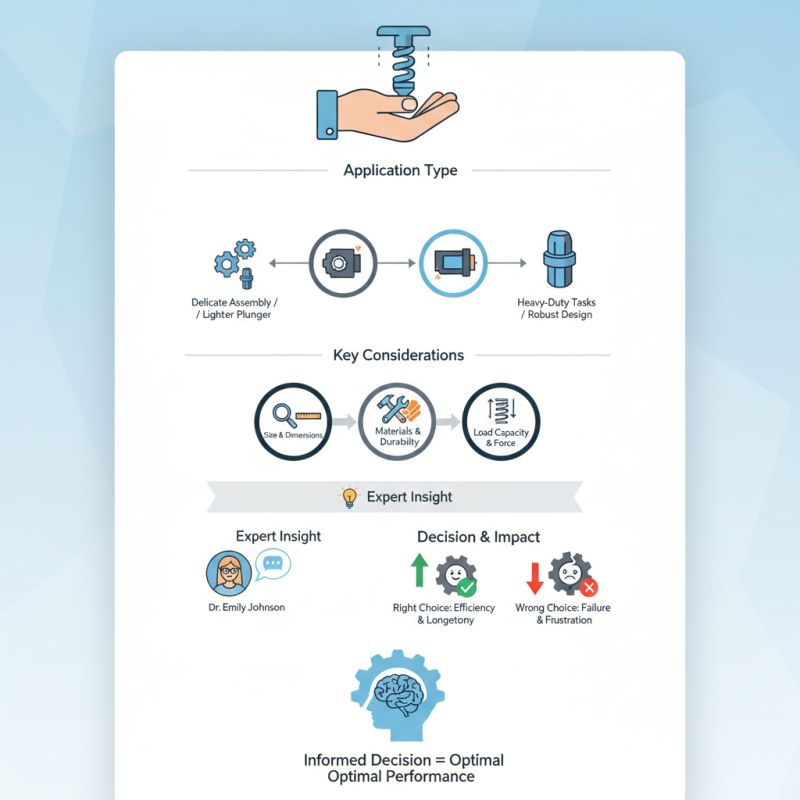
Choosing the right Hand Retractable Spring Plunger is crucial for ensuring optimal functionality in various applications. Industry expert Dr. Emily Johnson, a mechanical engineer with over 15 years of experience, emphasizes, "Selecting the correct spring plunger can significantly impact the performance of your mechanisms." This insight underscores the importance of making an informed choice.
The diversity in design and functionality poses challenges for many users. Hand Retractable Spring Plungers come in various sizes, materials, and load capacities. Evaluating these factors can be daunting, yet essential for achieving desired outcomes. Each application demands specific characteristics; thus, careful consideration is required. For example, a lighter plunger may suit a delicate assembly, while a robust design is necessary for heavy-duty tasks.
Although manufacturers provide guidelines, individual preferences and unique use cases complicate the selection process. Users often grapple with conflicting options and may overlook critical specifications. Thoughtful reflection on application requirements is key. The right Hand Retractable Spring Plunger can enhance operational efficiency and product longevity, yet the wrong choice may lead to frustrating failures. Therefore, grounding decisions in expertise and practical insights is vital for success.
Understanding Hand Retractable Spring Plungers and Their Applications
Hand retractable spring plungers are versatile devices commonly used in machinery and furniture. They serve as quick-release fasteners that can be easily engaged or disengaged. Their design allows for efficient locking mechanisms, making them ideal for various applications, such as jigs, fixtures, and mobile equipment. Understanding their features can help in selecting the right one for your needs.
When choosing a hand retractable spring plunger, consider the material. Stainless steel is durable and corrosion-resistant, while plastic options may offer lightweight solutions. Check the load capacity and ensure it matches your application requirements. A poorly matched plunger can cause failure in operations.
**Tips:** Always test the plunger in the intended environment before full implementation. Take care to analyze any wear after multiple uses. Look for the right dimensions; incorrect sizes can lead to instability or damage. A functional plunger should retract smoothly and lock securely. Keep these aspects in mind, as meticulous attention to detail can prevent costly mistakes.
Hand Retractable Spring Plungers - Usage and Application
This chart illustrates the application distribution of hand retractable spring plungers in various industries.
Key Factors to Consider When Selecting a Hand Retractable Spring Plunger
When selecting a hand retractable spring plunger, several key factors play a vital role. One critical aspect is the material. Stainless steel is often favored for its durability and corrosion resistance. In contrast, plastic options might be lightweight but can lack strength. According to industry reports, around 40% of applications prefer stainless steel for robust environments.
The size and stroke length of the plunger are also essential. Choosing the appropriate dimensions ensures correct fitting and functionality. Misjudgment in size can lead to mechanical failures, waste of resources, and safety hazards. It has been noted that nearly 25% of users report issues due to poor sizing.
Tip: Always verify manufacturer specifications before making a decision. Take into account the load and compression requirements associated with your specific application. Another factor worth mentioning is the type of actuation. Spring force should match the tasks at hand. A plunger that is too stiff may be difficult to operate. Conversely, one that is too weak could lead to accidental disengagement.
Understanding these factors can significantly enhance the effectiveness of your selection process. Ensure you engage with competent suppliers who can provide detailed insights into your choices. Doing so not only saves time but also improves overall operational efficiency.
Material and Durability: Choosing the Right Spring Plunger Composition
When selecting a hand retractable spring plunger, the material is crucial. Various materials offer different benefits. Stainless steel is common for its strength and resistance to corrosion. Plastic options provide lightweight alternatives but may lack durability in high-stress applications.
Durability also depends on the environment. If exposed to moisture or chemicals, consider materials that resist these factors. This choice affects performance over time. You might find that a less expensive option fails sooner than anticipated. Experimenting with different materials can help determine the best fit. Always evaluate the application before making a choice.
Reflecting on your choices is important. Finally, even reputable materials may not guarantee performance in every scenario. Regular testing and feedback can lead to better decisions. Evaluating the long-term implications of your material choice is essential for optimal performance.
Sizing and Weight Capacity: Ensuring Proper Functionality and Fit
Choosing the right hand retractable spring plunger requires careful consideration of sizing and weight capacity. An oversize plunger may not fit properly, leading to functionality issues. If it’s too small, it might not hold enough weight, causing it to fail under stress. These factors directly affect the performance of the plunger in its intended application.
When evaluating size, ensure that the diameter and length match your specific needs. Consider the installation space carefully. Weigh your intended load against the plunger's weight capacity. If you choose a plunger that can only handle a light load, it could collapse under pressure. Testing multiple options before finalizing your choice can help avoid pitfalls.
Even minor sizing changes can lead to significant failures. It’s crucial to consult reliable resources or industry experts during your selection process. Be wary of assumptions; they can lead to miscalculations. Accurately measuring your requirements can save time and money in the long run. Balancing these elements leads to a successful application.
How to Choose the Right Hand Retractable Spring Plunger? - Sizing and Weight Capacity: Ensuring Proper Functionality and Fit
| Model | Diameter (mm) | Weight Capacity (kg) | Material | Length (mm) |
| Model A | 10 | 50 | Steel | 25 |
| Model B | 12 | 75 | Stainless Steel | 30 |
| Model C | 8 | 30 | Aluminum | 20 |
| Model D | 14 | 100 | Brass | 35 |
Installation and Maintenance Tips for Hand Retractable Spring Plungers
Hand retractable spring plungers are essential components in many mechanical applications. When installing these plungers, ensuring proper alignment is crucial. Misalignment can lead to ineffective operation and quick wear. Always check dimensions before installation. Use calipers for accurate measurements. It’s a small step that ensures longevity.
Maintenance is equally important to ensure functionality. Regularly clean the plungers to remove dirt and debris. Accumulation can cause sticking or jammed operations. Light lubrication with appropriate oil helps maintain smooth action. Avoid over-lubricating, as this can attract more dirt.
Consider the environment where these plungers operate. Moisture and extreme temperatures can affect performance. Adapting the choice of material based on the environment is wise. Reflect on past experiences. Sometimes, insufficient attention to detail has led to premature failures. Each of these small factors contributes significantly to the plunger's service life.