-
- Products
- Indoor Household Cords
- Appliance Cords
- General Purpose Short-Length Cords
- General Purpose Extension Cords
- Landscape & Decorating Cords
- Bright Color Extension Cords
- Oil-Resistant Extension Cords
- Cold-Flex Extension Cords
- VividFlex Power Cords
- EXTREME All-Weather Cords
- Cord Management
- Task Lights
- Adapters & GFCI Devices
- Where to Buy
- About
- Careers
- Glossary
- Catalog


How to Choose the Best PVC Tarpaulin for Your Needs?
Choosing the right PVC Tarpaulin is crucial for various applications. In industries such as construction, agriculture, and advertising, the demand for durable tarpaulin is on the rise. According to a recent market analysis, the global tarpaulin market is projected to grow by 4.2% from 2021 to 2028. This growth reflects an increased focus on quality materials.
When selecting a PVC Tarpaulin, consider factors like weight, thickness, and UV resistance. A heavier and thicker tarp often offers better durability and protection against harsh weather. For example, a 650g/m² PVC Tarpaulin may withstand heavier winds and rain than a lighter alternative. Users often overlook these details, leading to dissatisfaction down the line.
Price is another significant factor. While cheaper options are tempting, they may not provide the necessary longevity. Investing in a quality PVC Tarpaulin can save costs in the long run. Know your specific needs to avoid common pitfalls like size mismatches or inadequate features. Take the time to evaluate your options for the best outcome.
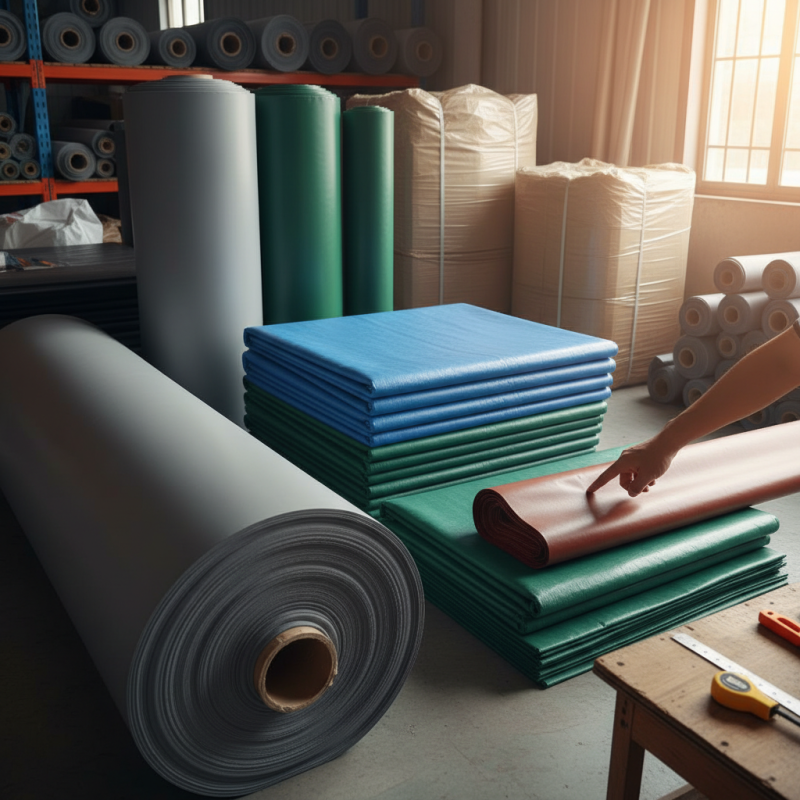
Table of Contents [Hide]
Understanding PVC Tarpaulin Types: Material Composition and Uses
When choosing a PVC tarpaulin, understanding its types is vital. PVC tarpaulins can vary in material composition and performance. Common types include reinforced, Laminated, and coated options. Reinforced tarpaulins have enhanced strength, making them ideal for heavy-duty use. However, they can be heavier and less flexible, which might not suit every situation.
On the other hand, laminated tarpaulins are lighter and more versatile. They come in various colors, adding a touch of style. Yet, they may lack the durability needed for extreme weather conditions.
Coated tarpaulins offer water resistance, but they could be prone to wear over time. Think about where and how you will use the tarpaulin. The environment matters; high UV exposure can degrade some materials faster.
Selection comes with challenges. It is easy to get overwhelmed by options. The perfect choice for one task may not apply to another. Budget is also a factor. Higher quality often means a higher price. Weigh these considerations carefully. A hasty decision may lead to dissatisfaction in the long run. Reflecting on your specific needs will guide you toward the right choice.