How to Choose the Right Extension Cords for Your Needs?
Choosing the right extension cords can be daunting. With so many options, understanding your needs is crucial. According to electrical expert John Anderson, “A well-chosen extension cord can enhance safety and efficiency.” This highlights the importance of selecting the correct type.
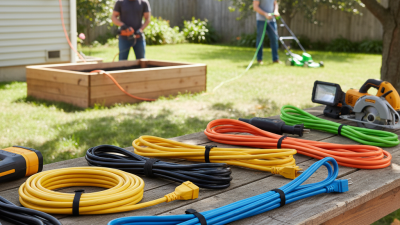
Extension cords vary in length, capacity, and design. Some are designed for indoor use, while others suit outdoor environments. It is essential to consider your specific requirements. For example, heavy-duty cords are ideal for power tools, while lighter options work for small household devices. Additionally, safety ratings play a significant role in ensuring reliable usage.
Misconceptions about extension cords can lead to mistakes. Many people overlook the importance of wattage and amperage ratings. Ignoring these details might result in damaged equipment or worse, electrical fires. Thus, it's vital to do thorough research and consider professional advice when needed. A thoughtful approach will lead to safer and more effective use of extension cords.
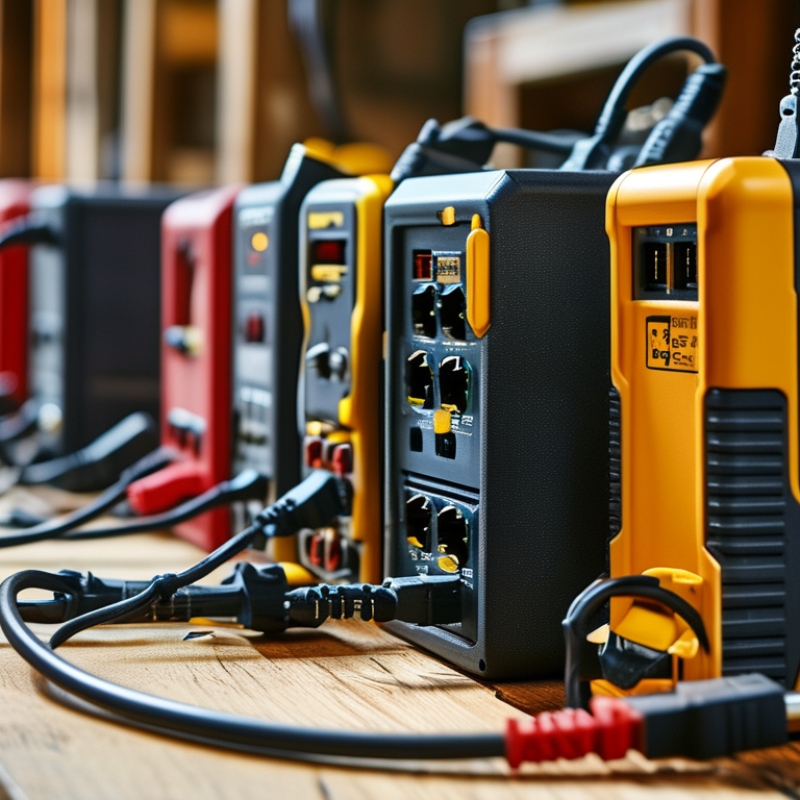
Factors to Consider When Choosing Extension Cords for Different Uses
When selecting extension cords, consider key factors tailored to your intended use. Cord length is crucial; longer cords can lead to voltage drops, affecting performance. According to the National Electrical Code (NEC), using excessively long cords may exceed the recommended distance for safe use, which can lead to overheating.
Wattage capacity also matters. Each extension cord has a maximum wattage rating. Exceeding this can cause overheating and fires. A report by the Electrical Safety Foundation International (ESFI) highlights that electrical cords are responsible for over 3,000 home fires annually. This statistic underscores the importance of choosing the right cord for your device's needs.
Tips: Always calculate the total wattage of devices you plan to plug in. Avoid daisy-chaining cords, as this can lead to overload. Regularly inspect your cords for frays or damages; a worn cord can become a safety hazard. Understanding these factors can significantly enhance safety and efficiency in your electrical projects.
Understanding Amperage and Voltage Ratings for Safe Extension Cord Use
When selecting an extension cord, understanding amperage and voltage ratings is crucial for safe usage.
Amperage indicates the amount of electrical current a cord can handle. Exceeding this limit can lead to overheating and potential fire hazards. Most residential cords come with a rating. Familiarize yourself with these ratings to ensure safety.
Voltage ratings are equally important. They show the maximum voltage the cord can carry. Using a cord with a lower voltage rating than required can cause voltage drops, leading to equipment damage. Always check the specifications on your devices to match them with adequate extension cords.
Not all situations are straightforward. Some cords may have damaged insulation or are frayed, which can compromise safety. Regularly inspect your extension cords. It's better to be cautious than face an electrical mishap. Remember, a little extra diligence in selecting extension cords can save significant problems later on.
The Importance of Cord Length: Balancing Reach and Voltage Drop
When selecting an extension cord,
cord length is a critical factor.
It influences both reach and voltage drop. A longer cord may not always be the best option.
According to the NEC (National Electrical Code), voltage drop can occur over distances greater than
100 feet. This can lead to decreased appliance performance and potential safety hazards.
For low-wattage devices, a 50 to 100-foot extension cord typically suffices.
However, high-wattage tools may require shorter cords. A report by the Electrical Safety Foundation International (ESFI)
indicates that 30% of extension cord-related incidents stem from improper usage of length.
Choosing the right length reduces risks such as overheating and fire.
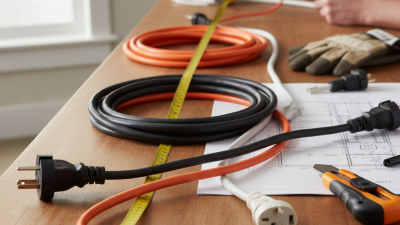
A good rule of thumb is to measure the distance from the outlet to your device,
adding an extra 10 feet for flexibility. Remember, voltage drop increases with longer cords,
impacting efficiency. Over 10% voltage drop can lead to equipment failure.
It's essential to weigh the benefits of reach against these potential risks to ensure safe operations.
Types of Extension Cords: Indoor vs Outdoor and Their Specific Uses
When selecting extension cords, understanding the differences between indoor and outdoor types is crucial.
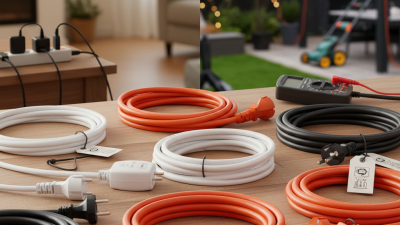
Indoor extension cords are typically lighter and designed for lower power needs. They are usually not weather resistant.
Use them for household appliances, lights, and office devices. The colors often remind us of home comforts, but the light gauge can become a safety issue if misused.
Outdoor extension cords are built for durability and strength. They come with heavy-duty materials to withstand elements like rain and sun exposure.
Look for cords with thick insulation for better protection. These are suitable for power tools, gardening equipment, and festive outdoor lights.
Some might find their weight cumbersome, making it important to consider ease of use.
While choosing, many overlook the cord's amp rating, which impacts its safety.
Using a cord with insufficient capacity can lead to overheating or worse. It may seem minor, but ignoring this can lead to larger issues.
Assess your power needs wisely. Remember, not all extension cords are created equal,
and taking the time to choose wisely can prevent mishaps down the road.
Safety Standards and Certifications: Ensuring Quality and Reliability
When choosing extension cords, safety standards and certifications play a vital role in ensuring quality. According to the National Fire Protection Association, electrical failures contribute to approximately 45% of home fires. Therefore, selecting cords that meet safety regulations is critical for preventing hazardous situations.
Look for certifications from recognized organizations like Underwriters Laboratories (UL) or the Canadian Standards Association (CSA). These certifications signal that the extension cord has undergone rigorous testing. Cords with these marks are generally more reliable. However, not all manufacturers prioritize compliance, which raises concerns about product quality in the market.
Extension cords come in various ratings, including wattage and amperage. Users should pay attention to these specifications to prevent overheating. The Electrical Safety Foundation International recommends not exceeding the maximum load to avoid risks. Unfortunately, many consumers overlook these details, leading to potential safety hazards in their homes. Understanding safety standards can significantly improve the reliability of your electrical setup.
How to Choose the Right Extension Cords for Your Needs? - Safety Standards and Certifications: Ensuring Quality and Reliability
| Cord Type |
Length |
Amp Rating |
Voltage Rating |
Safety Certifications |
| Indoor |
6 ft |
13 Amps |
125 Volts |
UL Listed |
| Outdoor |
25 ft |
15 Amps |
125 Volts |
ETL Listed |
| Heavy-Duty |
50 ft |
20 Amps |
250 Volts |
CSA Certified |
| Multi-Outlet |
10 ft |
15 Amps |
125 Volts |
UL Listed |