Top 10 Essential Power Wire Types You Need to Know?
In today's world, the importance of power wire cannot be overstated. It plays a critical role in almost every electrical application, from household wiring to industrial setups. Understanding different types of power wires is essential for safety, efficiency, and performance. With a wide variety of wire types available, knowing which to use can be overwhelming.
Power wires are essential for electricity transmission. Each type serves a unique purpose and meets specific needs. For instance, some wires are designed for high voltage, while others are better suited for lower voltage applications. As we look at the top 10 essential power wire types, it is crucial to consider their unique characteristics. This exploration helps in making informed choices, especially for DIY projects or professional installations.
However, many people overlook the complexities of choosing the right power wire. Ignorance can lead to safety hazards or inefficient setups. Every detail matters. The gauge, insulation type, and application area are all vital factors to contemplate. Understanding these elements could pave the way for better electrical practices. Let’s dive into the essential power wire types that everyone should know.
Types of Power Wires Used in Residential Electrical Systems
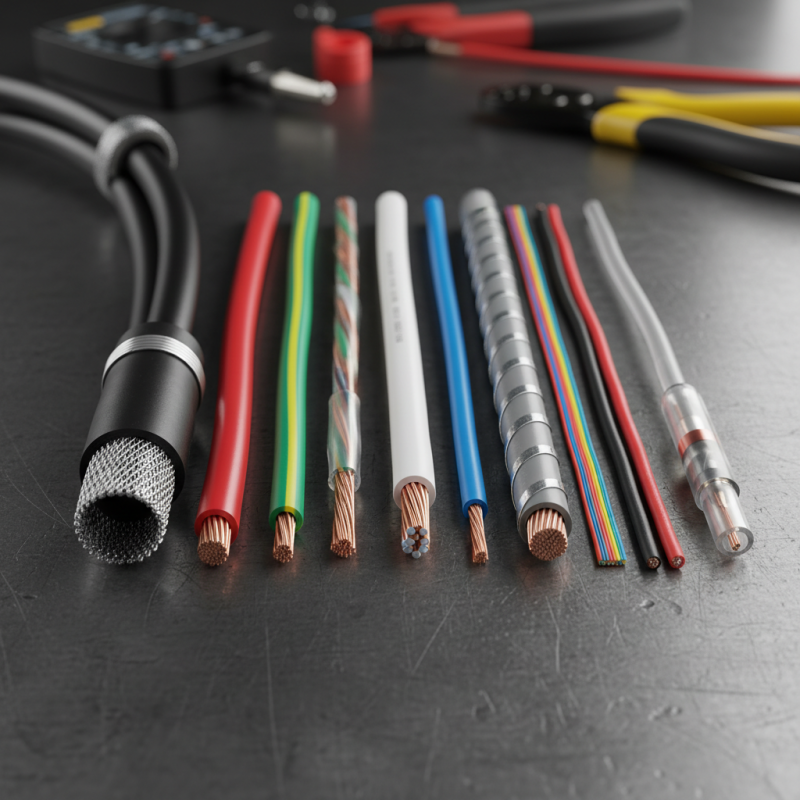
In residential electrical systems, understanding the types of power wires is crucial. Different wires serve varied purposes. For instance, copper and aluminum wires are popular choices. Copper offers excellent conductivity, making it ideal for most home installations. Aluminum is lighter and more affordable, yet it requires larger gauges to handle the same load.
Research shows that nearly 70% of electrical failures occur due to improper wire usage. This emphasizes the need for selecting the correct wire type. The National Electrical Code (NEC) provides guidelines for wire selection, highlighting the importance of gauge size and insulation type. For example, 12-gauge wire is commonly used for lighting circuits, while 14-gauge might suffice for smaller loads.
Additionally, it’s essential to consider wire insulation. Thermoplastic and thermoset materials are the two main types. They protect against heat and wear, prolonging the wire’s lifespan. However, not all homeowners realize the potential risks of neglecting wire maintenance. Over time, insulation can wear out, leading to shorts or failures. Awareness of these factors can aid homeowners in making informed decisions regarding their electrical systems.
Understanding the Characteristics of Copper and Aluminum Wires
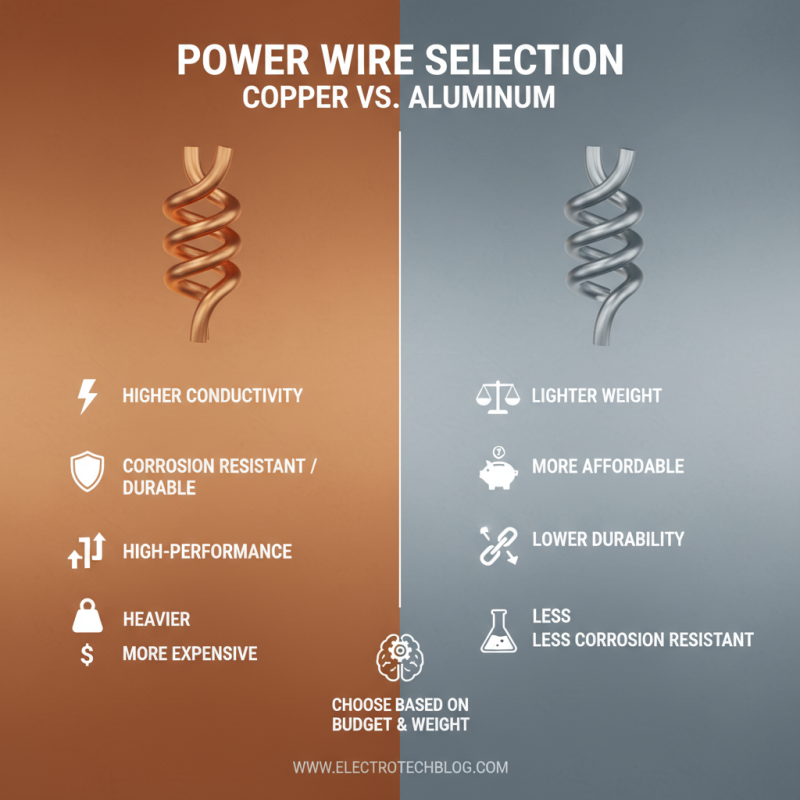
When choosing power wires, understanding the differences between copper and aluminum is crucial. Copper wires are more conductive. They also have better corrosion resistance and durability. These properties make copper ideal for high-performance applications. However, copper is heavier and more costly than aluminum. This can influence choice based on budget and weight considerations.
Aluminum wires, on the other hand, are lighter and more affordable. They can carry sufficient current for many applications, but they are more prone to oxidation. This can affect their performance and require careful installation. Over time, aluminum connections can loosen, leading to potential hazards. It’s important to be aware of these risks when using aluminum wires.
Selecting the right wire type is not just about performance; it also involves weighing trade-offs. Understanding these characteristics can help in making an informed decision. Don’t overlook the implications of your choice. Each material has its strengths and weaknesses, so consider what matters most for your project.
The Importance of Wire Gauge and Ampacity for Electrical Safety
When it comes to electrical safety, understanding wire gauge is crucial. Wire gauge determines how much current a wire can carry without overheating. The American Wire Gauge (AWG) standard specifies sizes ranging from 0000 (most massive) to 40 (thinnest). For example, a 14 AWG wire can safely handle up to 15 amps. However, using the wrong gauge can lead to dangerous situations.
Ampacity, or the maximum current a wire can carry, directly ties to wire gauge. An inadequate gauge can lead to overheating, risking fire hazards. A report by the National Fire Protection Association states that faulty wiring is a leading cause of residential fires. This means choosing the correct wire gauge is not just a technical detail; it can save lives and property.
One could argue about the cost-effectiveness of using a thicker gauge for lower-demand applications. Yes, running a 12 AWG wire for a minimal load can seem excessive. Yet, the potential safety benefits often outweigh initial costs. Opting for the right gauge ensures long-term stability and reduces the risk of electrical malfunctions. Awareness of wire gauge and ampacity is an essential part of any electrical project.
Common Applications of Different Power Wire Types in Industry
When it comes to power wire types, understanding their applications is crucial in various industries. For example, THHN wire is commonly used in residential and commercial buildings. It resists heat and moisture, making it ideal for wiring inside walls. Furthermore, it is often used for conduits and lighting systems.
Another important wire type is XHHW. This wire is often found in industrial settings. Its insulation protects against heat and chemicals. It is perfect for power distribution systems. In addition, it can withstand high humidity, making it a versatile choice.
**Tips:** Always check the temperature rating of your wire for safety. Using wires outside their rated temperature can lead to failure. Make sure to consider environmental factors too. If you're unsure, consult with a professional. Proper selection is key to effective power management. A small oversight can lead to larger issues.
Top 10 Essential Power Wire Types You Need to Know
| Wire Type |
Conductor Material |
Insulation Type |
Common Applications |
Voltage Rating |
| THHN Wire |
Copper |
PVC |
Industrial wiring, building construction |
600V |
| XHHW Wire |
Aluminum/Copper |
Cross-Linked Polyethylene |
Power distribution, service entrance |
600V |
| NM Cable |
Copper |
Polyvinyl Chloride |
Residential wiring |
300V |
| MC Cable |
Copper |
Thermoplastic |
Commercial wiring, branch circuits |
600V |
| UF Cable |
Copper |
Polyvinyl Chloride |
Underground installations |
600V |
| RHW Wire |
Copper |
Cross-Linked Polyethylene |
Heat protection; direct burial |
600V |
| SOOW Cable |
Copper |
Rubber |
Portable power tools, machine tools |
600V |
| PV Wire |
Copper |
Thermoplastic |
Solar power systems |
600V |
| SJOOW Cable |
Copper |
Rubber |
Industrial applications, flexible connections |
300V |
| LSTW Wire |
Copper |
Thermoplastic |
Lighting and appliances |
300V |
Tips for Selecting the Right Power Wire for Your Project
When selecting the right power wire for your project, consider several key factors. The wire gauge plays a crucial role in its performance. A thicker wire can carry more current but is also heavier and less flexible. Think about the space available and the amount of current your project requires. This choice can significantly impact efficiency and safety.
Another aspect to consider is insulation. Different types of insulation withstand various environments. For instance, some wires are rated for high heat or moisture. Based on where you plan to use the wire, the right insulation can prevent damage over time. However, not all wires are suitable for every job. It can be confusing to choose the correct type, especially if you're new to wiring. Research and ask for guidance when necessary.
Lastly, never overlook the importance of your project’s specific needs. Is flexibility or durability more important? Understanding this can save you time and costs in the long run. Balancing all these elements is crucial. Mistakes happen, and learning from them is part of the process. Each project can teach you something new about selecting power wires.
Top 10 Essential Power Wire Types You Need to Know