-
- Products
- Indoor Household Cords
- Appliance Cords
- General Purpose Short-Length Cords
- General Purpose Extension Cords
- Landscape & Decorating Cords
- Bright Color Extension Cords
- Oil-Resistant Extension Cords
- Cold-Flex Extension Cords
- VividFlex Power Cords
- EXTREME All-Weather Cords
- Cord Management
- Task Lights
- Adapters & GFCI Devices
- Where to Buy
- About
- Careers
- Glossary
- Catalog


7 Essential Tips for Buying Galvanized Pipe
Buying Galvanized Pipe can seem straightforward, especially when every supplier promises durability, corrosion resistance, and long service life. The reality is less tidy. Pipe quality depends on coating thickness, steel grade, dimensions, manufacturing standards, and the environment where the pipe will operate. A bright surface can still hide poor threading, uneven zinc coverage, or inaccurate wall thickness.
Frank Goodwin of the American Galvanizers Association explains, “Zinc protects steel through barrier and cathodic protection.” That principle matters when comparing pipes for water lines, fencing, scaffolding, irrigation, or structural projects. Galvanized Pipe is not automatically suitable for every application. Soil chemistry, standing water, temperature, and contact with other metals can influence its performance. Small details become expensive problems.
This guide presents seven practical tips for making a more confident purchase. It examines pipe specifications, coating quality, required standards, supplier documentation, connection methods, and total project cost. You will also see why checking the pipe’s inside surface matters, not only its exterior appearance. A heavy pipe is not always the better pipe. A cheaper quotation is not always a saving.
Measure twice.
Real purchasing decisions rarely follow perfect theory. Delivery delays happen. Product labels can confuse. Even experienced buyers occasionally overlook thread condition or end protection. That is why careful inspection remains valuable. Ask for test reports, confirm the intended use, and compare measurable specifications instead of relying on sales language. These habits cannot remove every risk, but they can prevent avoidable mistakes and help you select Galvanized Pipe with greater technical confidence.
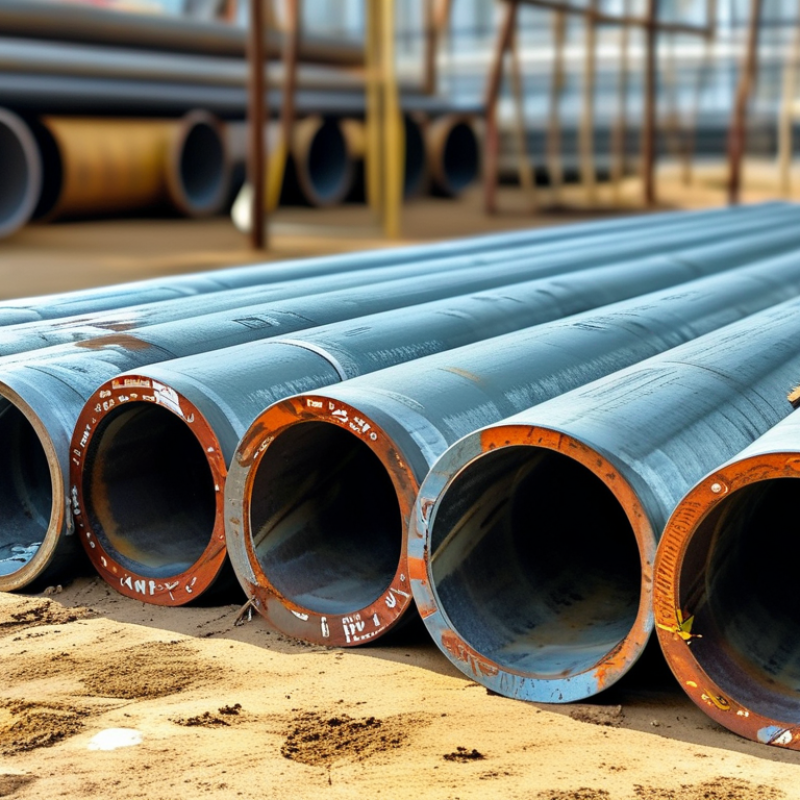
Table of Contents [Hide]
Define Galvanized Pipe Types, Coatings, and Common Applications
7 Essential Tips for Buying Galvanized Pipe
Galvanized pipe is carbon steel protected by a zinc coating, but its type matters. Hot-dip galvanized pipe usually has a thicker, more durable zinc layer. Electro-galvanized pipe has a thinner, smoother coating for lighter indoor service. Tip: Confirm the manufacturing method before comparing prices. Tip: Check the nominal size, wall thickness, length, and thread condition. A pipe can look strong and still be unsuitable.
Coating thickness affects service life, especially in humid or outdoor environments. Ask for coating measurements or compliance documents from a reliable supplier. Tip: Inspect cut ends, weld areas, and threaded sections carefully. These areas may have less protection. In my experience, small scratches become larger maintenance problems when water remains trapped. Tip: Avoid mixing incompatible fittings without checking corrosion risks. I still double-check this point. It is easy to overlook.
Applications should guide the purchase. Galvanized pipe commonly serves water distribution, fencing, greenhouse frames, handrails, agricultural structures, and compressed-air lines. Tip: Verify whether the pipe is approved for the intended water service. Tip: Consider temperature, pressure, soil contact, and exposure to chemicals. Tip: Choose fittings with compatible coatings. A shiny surface is not proof of quality. For buried use, add suitable corrosion protection and confirm local requirements. One judgment call remains difficult: a thicker coating is not always the best choice if the design, fittings, or installation method is wrong.