10 Essential Tips for Choosing the Right Cord Cable for Your Devices
Choosing the right cord cable for your devices is a crucial step in ensuring optimal performance and longevity. With the vast array of options available in today's market, the decision can often be overwhelming. From power cords to data transfer cables, selecting a compatible and high-quality cord cable can significantly impact your device's functionality and user experience. Whether you are looking to replace an existing cable or upgrade to a better option, understanding the key factors to consider is essential.
In this guide, we will outline ten essential tips that will help you make informed decisions when selecting cord cables for your electronic devices. These tips aim to simplify the process and provide clarity on what to look for, including material durability, compatibility with your devices, and necessary specifications for performance. By following these guidelines, you can ensure that the cord cable you choose will not only meet your current needs but also adapt to any future requirements. Let’s delve into these tips and empower you to make the best choice for your technology investment.
Importance of Cord Cables in Electronic Device Functionality
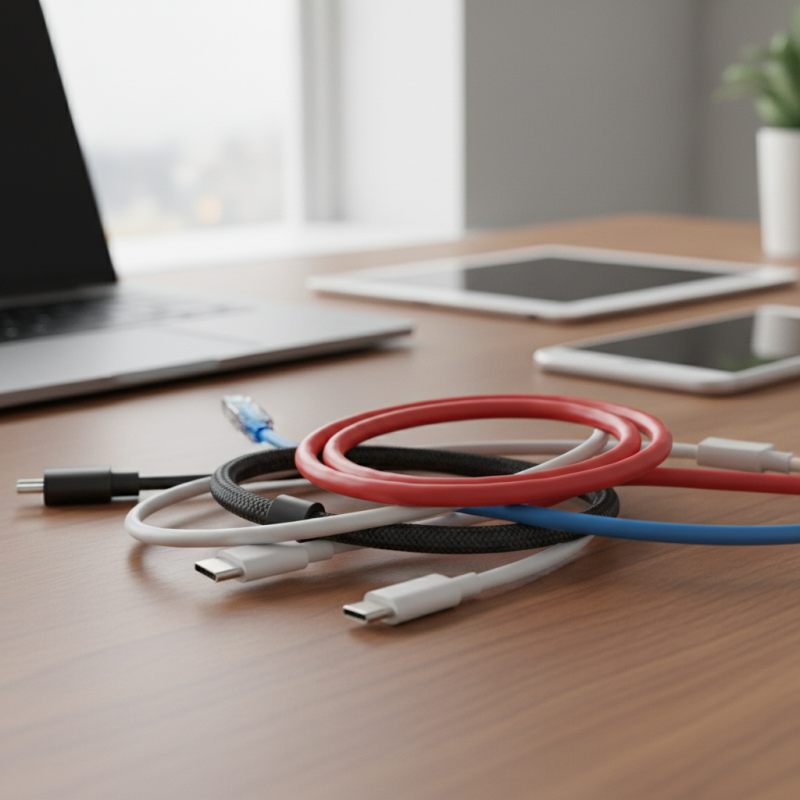
Cord cables play a critical role in the functionality of electronic devices, serving as the vital link between power sources and the devices themselves. The quality and specifications of these cables can significantly impact performance, safety, and compatibility. Poorly manufactured cables can lead to malfunctions, inefficient charging, or even device damage, underscoring the importance of selecting the right type. In a world increasingly dependent on technology, understanding the nuances of cord cables ensures that devices perform optimally.
Moreover, the right cord cable can enhance user experience by providing faster data transfer and reliable connections. For instance, USB-C cables are now widely recognized for their versatility and speed, making them a popular choice for many modern devices. Choosing appropriate cables also means considering factors such as length, durability, and material. High-quality cables are designed to resist wear and tear, ensuring longevity and consistent performance, which are essential for maintaining the functionality of devices over time. In conclusion, investing time in selecting the right cord cable directly influences the efficiency and lifespan of electronic devices.
Types of Cord Cables and Their Specific Applications in Devices
When it comes to choosing the right cord cable for your devices, understanding the various types of cables and their specific applications is crucial. For instance, USB-C cables are becoming increasingly prevalent due to their versatility and faster charging capabilities. With devices like the latest iPhones adopting USB-C for both charging and data transfer, users can enjoy more efficient connectivity and compatibility with a broader range of accessories. This shift represents a broader trend moving away from older connectors, emphasizing the importance of choosing a cable that supports the latest technology standards.
Another popular type of cable is the HDMI cable, commonly used for transmitting high-definition video and audio between devices such as televisions, gaming consoles, and laptops. With advancements in digital content, high-quality HDMI cables have become essential for enjoying premium experiences, especially in gaming and media consumption. In addition to USB-C and HDMI, there are various specialized cables designed for specific applications, like lightning cables for Apple devices and power cords for laptops. Selecting the appropriate cord cable ensures optimal performance and longevity of your devices, making it essential to consider both the type of device and the intended use when making your choice.
10 Essential Tips for Choosing the Right Cord Cable for Your Devices
Key Factors to Consider When Selecting Cord Cables for Compatibility
When selecting cord cables for your devices, compatibility is a key factor to consider. It’s essential to ensure that the cable you choose supports the specific data transfer and charging requirements of your device. According to a recent industry report, nearly 75% of consumers experience compatibility issues with their charging cables, leading to performance inefficiencies and increased frustration. Therefore, understanding the specifications of your devices, such as voltage requirements and connector types, can significantly enhance your user experience.
Additionally, the quality of the cord cable itself can impact not only compatibility but also safety and longevity. A survey conducted by a leading tech market research firm revealed that users who invested in certified cables experienced a 50% reduction in charging failures and other electrical issues. Choosing cables that meet industry standards ensures reliable performance and can prevent potential damage to your devices. Thus, considering these factors can lead to smarter purchasing decisions, ensuring that your equipment operates optimally while providing peace of mind.
Industry Standards: Understanding Cable Ratings and Quality Indicators
When selecting the right cord cable for your devices, it's crucial to understand the industry standards that dictate cable ratings and quality indicators. According to a report by the International Electrotechnical Commission (IEC), cables are typically rated based on their current-carrying capacity, insulation type, and voltage classification. For instance, a cord rated for up to 600 volts is necessary for most household applications, ensuring safety and efficiency.
Additionally, quality indicators such as UL (Underwriters Laboratories) certification can offer insight into a cable's durability and performance under standard operational conditions. Cables that are UL-listed have undergone rigorous testing to meet specific safety standards, significantly reducing the risk of electrical failure.
Moreover, looking at the American National Standards Institute (ANSI) guidelines, one should also consider the wire gauge and material used in the cable. Thicker wires, represented by a lower AWG (American Wire Gauge) number, are capable of carrying more current, which is particularly important for high-power devices.
For example, a 12 AWG cable can handle up to 20 amps, while a 16 AWG cable is limited to 10 amps. Understanding these ratings not only helps in selecting the right cable but also in avoiding potential hazards associated with overloading.
By adhering to these industry standards, consumers can make informed decisions that enhance the safety and functionality of their electrical setups.
Evaluating Length and Durability for Optimal Performance and Safety
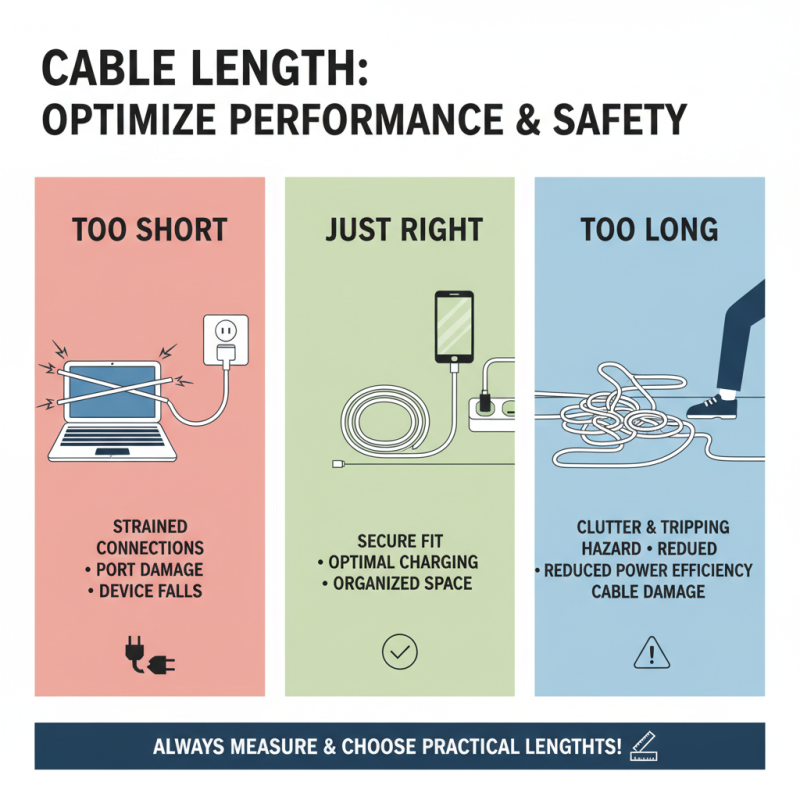
Choosing the right cord cable for your devices is crucial for maximizing performance and ensuring safety. When evaluating length, consider the distance between your device and the power source. A cable that is too short may strain connections, while an excessively long cable can create clutter and increase the risk of damage. Look for cables that are designed with practical lengths appropriate for your use case, and always measure the distance before making a purchase.
Durability is another key factor when selecting a cord cable. Exposure to frequent bending, twisting, and environmental factors can wear cables down quickly. Opt for cables made from high-quality materials, such as reinforced connectors and durable sheathing, to extend their lifespan. Check for certifications or user reviews that indicate a cable's resilience under stress. Additionally, consider thicker cables for power-hungry devices, as they can often handle the required current without overheating.
Incorporating these tips will help ensure that you select a cable that not only fits your device perfectly but also enhances its overall safety and performance. Remember to prioritize both length and durability in your decision-making process for optimal results.