
-
- Products
- Indoor Household Cords
- Appliance Cords
- General Purpose Short-Length Cords
- General Purpose Extension Cords
- Landscape & Decorating Cords
- Bright Color Extension Cords
- Oil-Resistant Extension Cords
- Cold-Flex Extension Cords
- VividFlex Power Cords
- EXTREME All-Weather Cords
- Cord Management
- Task Lights
- Adapters & GFCI Devices
- Where to Buy
- About
- Careers
- Glossary
- Catalog


What is an Extension Cable and How to Choose the Right One?
In today's fast-paced world, choosing the right extension cable is crucial for ensuring efficient power distribution. According to a recent industry report by the National Electrical Manufacturers Association, improper use of extension cables can lead to up to 5,000 electrical fires annually. This alarming statistic highlights the importance of understanding the specifications and safe applications of extension cables.
Expert David Turner, a leading electrical engineer, emphasizes, "Selecting the right extension cable makes a significant difference in safety and performance." His insight reflects the need for awareness in both residential and industrial settings. With various types of extension cables available, consumers often face difficulties in decision-making. Factors such as voltage rating, length, and material quality play essential roles in this process.
However, many users overlook these details, which can lead to potential hazards. It's not just about convenience; it's about making well-informed choices that protect both property and life. A good extension cable can enhance functionality, but it's vital to understand it fully. Ignoring these aspects can result in costly mistakes.
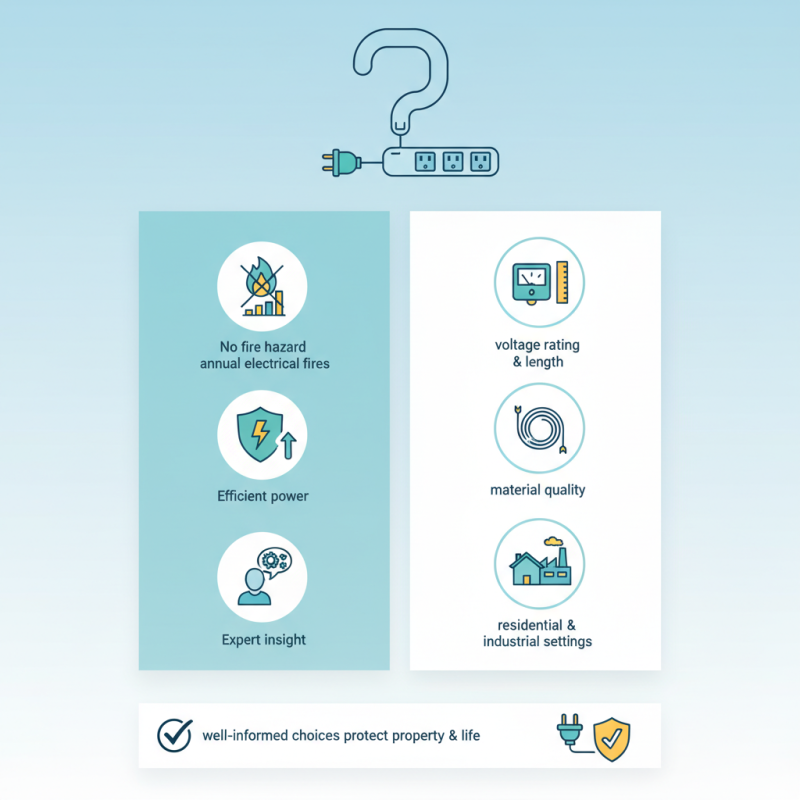
Table of Contents
[Hide]
What is an Extension Cable?
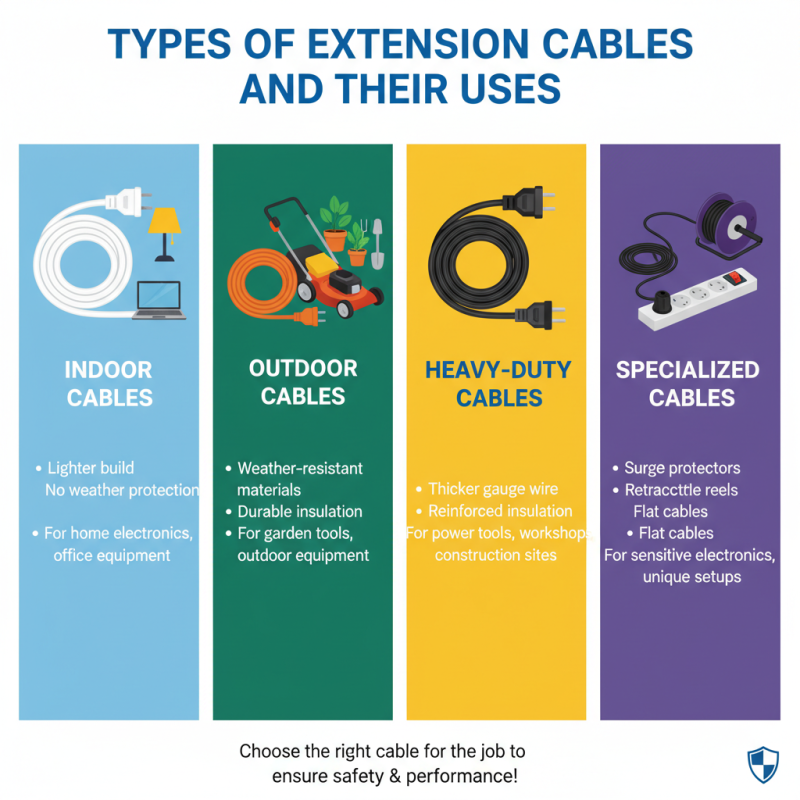
An extension cable is a versatile tool used to extend the reach of electrical devices. Typically, it features several outlets, allowing multiple devices to connect. They come in various lengths and types to suit different needs. Whether your device is a power tool, lamp, or electronic gadget, understanding extension cables is crucial for safe usage.
When choosing an extension cable, consider the power rating. Each cable is designed to carry a specific load. Overloading a cable can lead to overheating and potential hazards. The insulation quality is also important. High-quality insulation protects against electrical shocks and ensures durability. It’s wise to check for any visible damage before use.
**Tips:** Always choose a length that exceeds your needs. This prevents tension on the cable. When using outdoors, select cables rated for exterior use to resist moisture and sun damage. If you notice any wear, replace the cable promptly. Regular checks can prevent safety issues.
What is an Extension Cable and How to Choose the Right One?
| Feature | Description | Considerations |
|---|---|---|
| Length | The distance the cable can extend. | Choose the length based on your specific needs. Longer cables may result in voltage drop. |
| Gauge | Refers to the thickness of the wire in the cable. | Lower gauge numbers indicate thicker wires that can handle more current. |
| Rated Current | The maximum current the cable can safely carry. | Ensure the rated current meets or exceeds the devices you will connect. |
| Cord Material | The type of materials used in the insulation and casing. | Look for durable, weather-resistant materials for outdoor use. |
| Connector Type | The type of plug and socket used on the cable. | Ensure compatibility with your devices and outlets. |
Related Posts
-
Top 10 Best Extension Cord Cables for Every Home and Office Use?
-

Top 10 Benefits of Using HD Extension Cord for Your Home and Office?
-
How to Choose the Best Extension Cords for Your Home and Outdoor Needs
-

2025 Top Ideas for Using Pretty Extension Cords in Home Decor
-
2026 Best Short Extension Cord for Every Need and Application?
-
2026 Top Long Extension Cords for Home and Outdoor Use?