Why You Need an Extension Cord Cable for Every Home and Office?
In today's world, power access is vital. Every home and office needs reliable electricity for various devices. An extension cord cable is essential for convenient power supply. Whether you work from home or run a busy office, having extension cords can greatly enhance your productivity. They help connect multiple devices without the hassle of searching for outlets.
Imagine a scenario where your laptop battery is low, but the socket is across the room. An extension cord cable can bridge that gap. It allows you to work comfortably without interruption. However, not all extension cords are created equal. Using the wrong type can lead to safety hazards. Investing in high-quality cords is crucial.
Many people overlook the importance of having multiple extension cords. It's easy to think one will suffice, but having a few will save you from frustration. You might find yourself frequently rearranging furniture or relocating devices. A good selection of extension cords can prevent downtime. Yet, evaluate your wiring needs and purchase accordingly.

Importance of Extension Cords in Modern Homes and Offices
In modern homes and offices, extension cords are essential for efficiency and flexibility. According to the National Fire Protection Association, electrical failures are a leading cause of home fires, with overloaded cords being a significant contributor. Having sufficient power outlets is critical. Many older buildings lack adequate built-in outlets. This limitation increases the reliance on extension cords.
Safety is a pressing concern. A study from the Electrical Safety Foundation International highlights that 50% of consumers use extension cords improperly. Users often daisy-chain cords or exceed the recommended load capacity. This habit poses fire risks. Proper usage of extension cords can mitigate such dangers. It is advisable to choose cords that meet safety standards and to replace damaged ones immediately.
In addition to safety, convenience is a priority. In today’s working environment, adapting to varied tasks is crucial. Remote work and changing office layouts require adaptable setups. Extension cords provide needed flexibility. However, one must reflect on the balance between convenience and the risk of cluttered spaces. Effective organization around power sources can enhance productivity without compromising safety.
Types of Extension Cords: Choose the Right One for Your Needs
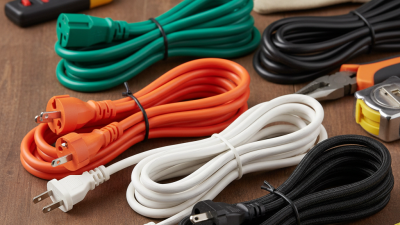
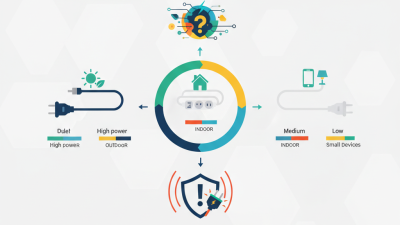
When planning for power access, selecting the right extension cord is crucial. Different types serve unique purposes. For example, indoor cords typically have lighter gauges, suitable for low-power appliances. In contrast, outdoor extension cords are built to withstand the elements, featuring durable insulation to protect against moisture and wear.
A report from the National Fire Protection Association shows that improper use of extension cords contributes to thousands of fires annually. Understanding the distinctions among available options can help mitigate these risks. Heavy-duty cords, often rated for 12 or 14 AWG, are ideal for high-demand devices like power tools. If you’re using an extension cord for a device that draws significant current over extended periods, a heavy-duty choice is essential.
Tip: Always check the amp rating on your extension cord before connecting any equipment. This ensures you don’t overload the cord, which can lead to overheating. Another useful tip is to avoid daisy-chaining multiple cords. This practice can increase resistance and heighten the risk of fire. Prioritize safety by being informed on the right types of cords for your needs.
Safety Considerations When Using Extension Cords
Extension cords are essential in homes and offices, but safety must come first. According to the National Fire Protection Association, extension cords are responsible for an estimated 3,300 home fires annually, resulting in over 50 deaths. Understanding how to use extension cords safely can help prevent these hazards.
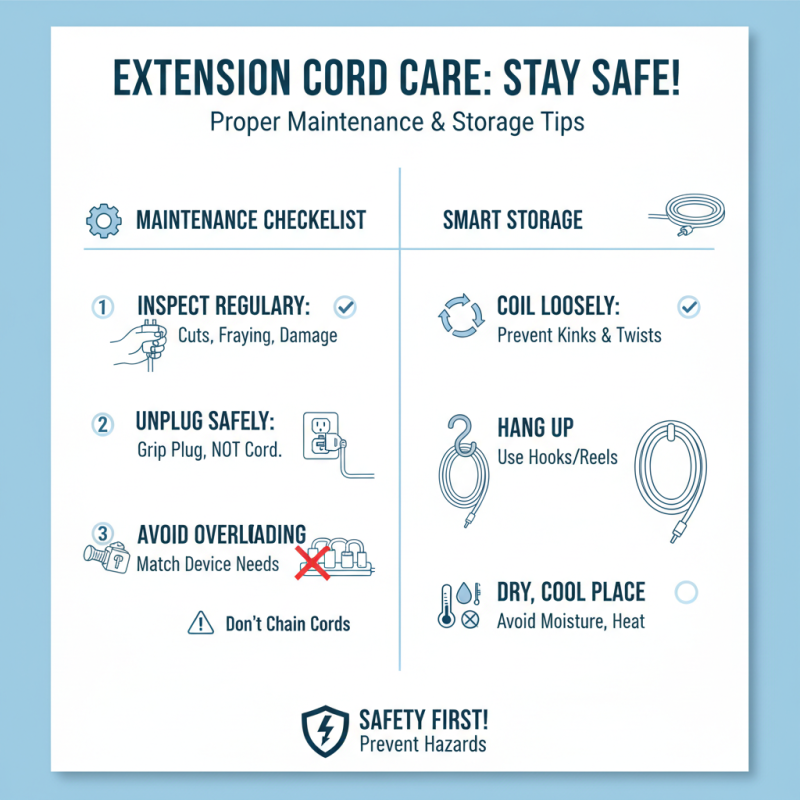
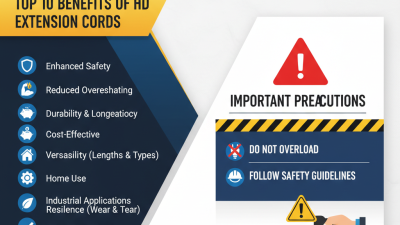
Proper usage is key. Avoid using extension cords as permanent solutions. They should only be a temporary power source. Ensure the cord is rated for the power needs of your devices. Overloading can lead to overheating, possibly starting a fire. Keep cords out of walkways to prevent tripping hazards. Regularly inspect cords for damage, and if you find frays or exposed wires, replace them immediately.
**Tips:** Select cords with built-in safety features like surge protection. This can prevent damage from voltage spikes. Also, consider using a power strip with a circuit breaker to enhance safety. Lastly, never daisy-chain multiple extension cords together; this practice can significantly increase the risk of a fire. Remember, a little caution can go a long way in protecting your home and office.
Why You Need an Extension Cord Cable for Every Home and Office? - Safety Considerations When Using Extension Cords
| Safety Consideration |
Description |
Recommended Action |
| Overloading |
Using too many devices on one extension cord can lead to overheating. |
Limit the total wattage to the rating of the extension cord. |
| Cable Damage |
Cracks, frays, or exposed wires can cause electric shock or fire. |
Regularly inspect cords and replace damaged ones immediately. |
| Indoor vs. Outdoor Use |
Indoor extension cords are not designed for outdoor use and can be hazardous. |
Use extension cords rated for outdoor use when necessary. |
| Unattended Use |
Leaving cords plugged in without supervision can be risky. |
Avoid leaving extension cords plugged in when not in use. |
| Connection Points |
Multiple devices plugged into the same outlet can increase fire risk. |
Spread out electrical devices across multiple outlets. |
Practical Applications of Extension Cords in Daily Life
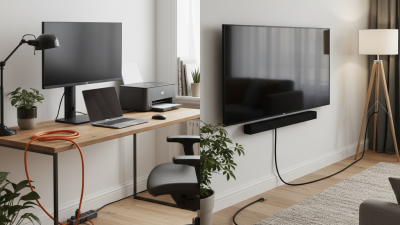
Extension cords are essential tools in both homes and offices. They extend the reach of power sources, allowing flexibility in arranging furniture and equipment. For example, you can set up your workspace without worrying about outlet locations. This appliance proves invaluable during events or gatherings, where multiple devices may need charging.
Moreover, extension cords can help with everyday tasks. If you need extra light while reading a book in a cozy corner, just plug in a lamp. In the kitchen, it can power small appliances conveniently. Keeping your electronics charged and within reach enhances productivity.
However, it is crucial to use extension cords properly. Overloading a cord can lead to failures or even fires. Always check the cord's rating and avoid daisy chaining multiple cords. A faulty connection can create safety hazards. Reflecting on your usage will lead to better practices, ensuring safety and reliability in your daily life.