What is Extension Wire and How is it Used in Electrical Systems?
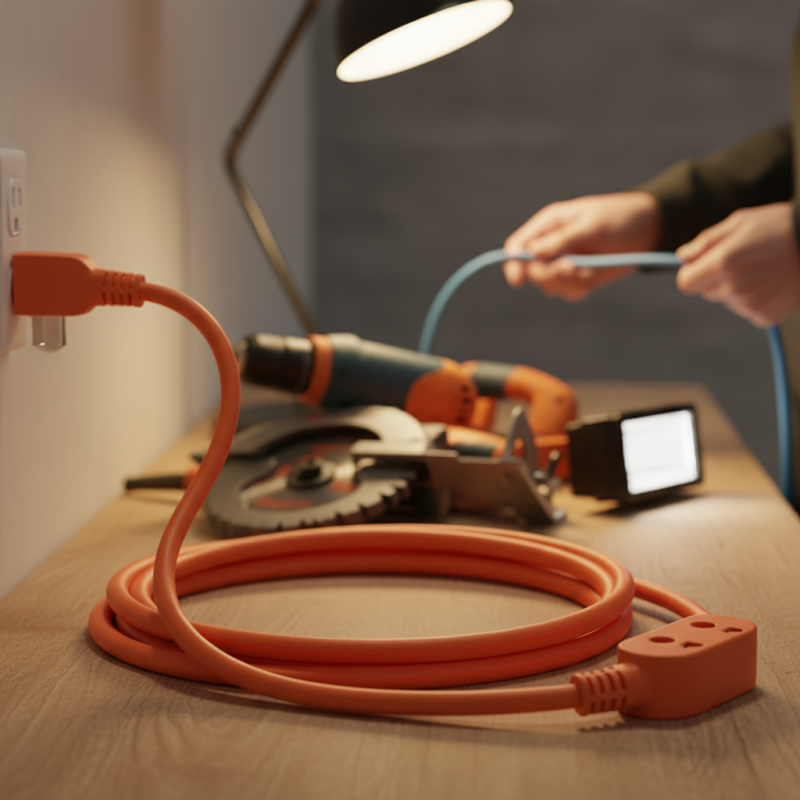
Extension wire is a crucial component in electrical systems. It allows for the safe transmission of electricity over longer distances. Many people use extension wires at home, in workshops, or during outdoor activities.
These wires come in various lengths and gauges. The flexibility of extension wires makes them useful for many applications. However, improper use can lead to hazards. For instance, using a wire that's too thin can cause overheating. It's essential to choose the right type for your needs.
When using extension wire, ensure it is in good condition. Look for frays or damage before plugging it in. Regular checks can prevent electrical fires. Keeping the area around the wire clear reduces trip hazards. Understanding extension wire is vital for safe electrical practices. Always prioritize safety in your electrical projects.
Understanding Extension Wire: Definition and Purpose
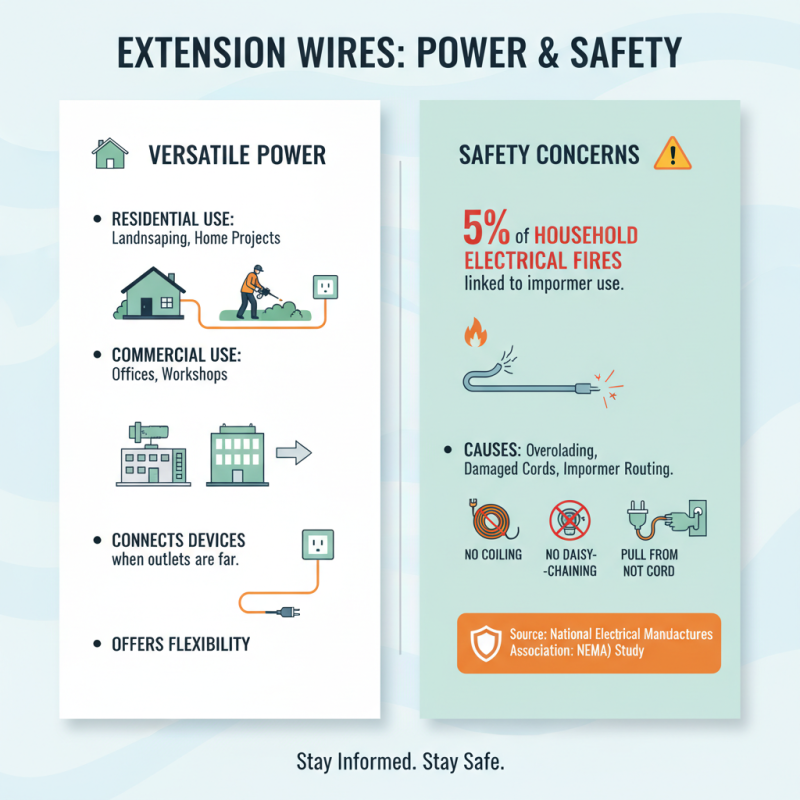
Extension wire is essential in electrical systems. It allows for flexibility and convenience in connecting devices. This type of wire is often used in homes and industries. According to the National Electrical Manufacturers Association (NEMA), the demand for extension wire has increased by 15% in the last five years. This growth highlights its importance in everyday applications.
Understanding the purpose of extension wire can help users make informed choices. It connects devices that are not in close proximity. For example, a power tool can easily reach an outlet that’s far away. However, improper use can lead to electrical hazards. Reports show that improper wiring significantly contributes to household fires, accounting for approximately 20%. It's crucial to ensure that extension wires are rated for the intended use.
Users should also be aware of potential shortcomings. Cheap extension wires may not meet safety standards. Choose wires that are durable and suitable for specific tasks. Regular inspections can prevent accidents. It’s vital to prioritize safety over convenience.
Extension Wire Usage in Electrical Systems
Common Types of Extension Wires Used in Electrical Systems
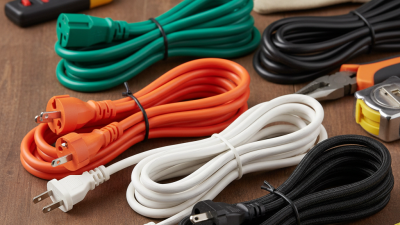
Extension wires are essential in various electrical systems, allowing flexibility and convenience. These wires come in different types, each designed for specific applications. Common types include power extension cords, which typically feature three prongs. These cords provide a direct link to electrical outlets, making them invaluable on construction sites.
Another widely used type is heavy-duty extension wire. This wire supports high wattage tools and equipment, often rated for 15 to 20 amps. According to industry reports, mishandling of extension wires causes nearly 3,000 electrical fires annually. This alarming statistic highlights the importance of using appropriate cables for high-power applications.
A lesser-known type is the retractable extension cord. Ideal for compact storage, this cord minimizes tangling and wear. While convenient, users should be cautious of the cord's insulation. Inadequate care may lead to damage and potential hazards. Understanding the various types of extension wires enhances safety and effectiveness in electrical work.
Safety Considerations When Using Extension Wire in Electrical Installations
When using extension wires for electrical installations, safety is paramount. Many people underestimate the risks involved. Overloading an extension wire can lead to overheating and even fires. Always check the rated capacity before plugging in devices.
Inspect your extension wire regularly for damage. Frayed or exposed wires are serious hazards. Store the wire properly to avoid kinks and breaks. Using worn-out wires can be a serious mistake. Secure connections are essential to prevent shocks.
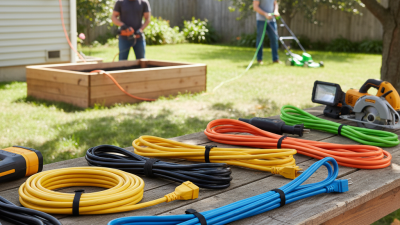
Using outdoor extension wires? Ensure they are rated for such use. Wet conditions increase risks significantly. Plugging wires into a damp outlet can pose dangers. Also, avoid daisy-chaining multiple extension wires. Doing so overloads the circuit and creates fire hazards. Making thoughtful choices is crucial in maintaining safety in any electrical setup.
Best Practices for Selecting and Using Extension Wire Efficiently
When working with extension wires, efficiency is key. Choosing the right wire can make a significant difference. You should consider the wire gauge and length based on your specific needs. A thicker gauge wire carries more current but is less flexible. Think about where you will use the wire. Will it be indoors or outdoors?
**Tip:** Always match the wire gauge to the electrical load. This enhances safety and performance. Not all projects merit heavy-duty wires. Sometimes, lighter options suffice. Evaluate the tools and devices you will connect. Using incorrect wires may lead to overheating or failure.
**Tip:** Check the insulation type. Some are better suited for certain environments. If you’re using wires outdoors, look for UV-resistant insulation. It can save you from future headaches. Poor insulation can lead to short circuits. Assess your installation area. Be mindful of potential hazards, such as moisture or sharp edges.
A little reflection can go a long way. If the installation seems complex, reconsider your approach. Sometimes, calling a professional can be a safer choice. Remember to follow local regulations to ensure compliance.
What is Extension Wire and How is it Used in Electrical Systems? - Best Practices for Selecting and Using Extension Wire Efficiently
| Dimension |
Description |
Usage |
Best Practices |
| Wire Gauge |
Determines the thickness of the wire |
Select appropriate gauge based on current load |
Use lower gauges for higher currents |
| Length |
Distance the extension wire will cover |
Choose the shortest length needed to reduce voltage drop |
Avoid long runs unless necessary |
| Material |
Copper or aluminum wire |
Copper is preferred for better conductivity |
Ensure good insulation to prevent shorts |
| Insulation Rating |
Heat and moisture resistance of the wire |
Use wires rated for outdoor or industrial environments when needed |
Check for compatibility with application temperature |
| Connector Types |
Different types of plugs and sockets |
Select connectors that match devices being powered |
Use weatherproof connectors for outdoor use |