
-
- Products
- Indoor Household Cords
- Appliance Cords
- General Purpose Short-Length Cords
- General Purpose Extension Cords
- Landscape & Decorating Cords
- Bright Color Extension Cords
- Oil-Resistant Extension Cords
- Cold-Flex Extension Cords
- VividFlex Power Cords
- EXTREME All-Weather Cords
- Cord Management
- Task Lights
- Adapters & GFCI Devices
- Where to Buy
- About
- Careers
- Glossary
- Catalog


What Is a Food Sealer Machine and How Does It Work?
A Food Sealer Machine removes air from specially designed bags and closes them with heat. This simple process can protect food from moisture, odors, freezer burn, and unnecessary waste. Picture a portion of salmon inside a clear textured bag. The machine draws the bag tightly around the food, then creates a narrow, heated seal near its opening.
The process is practical, but it is not magic. Lower oxygen can slow oxidation and reduce exposure to airborne contaminants. It cannot make spoiled food safe again. Clean handling, correct storage temperatures, and suitable packaging still matter. Reliable manufacturers usually explain sealing times, bag compatibility, and maintenance requirements. Those details deserve attention because thick liquids, sharp bones, or damp edges can weaken the seal.
This guide will explore how the machine works, from air extraction to heat sealing. It will also examine external vacuum sealers, chamber models, operating steps, and common mistakes. In everyday use, a clean seal should look even and remain firmly closed when gently tested. Small details matter.
Some claims about extended shelf life can sound overly confident. Actual results vary with the food, temperature, packaging, and handling. That uncertainty should be acknowledged. A Food Sealer Machine is best viewed as a storage aid, not a substitute for food-safety knowledge. Its value becomes clearer when convenience, preservation quality, and responsible kitchen habits work together.
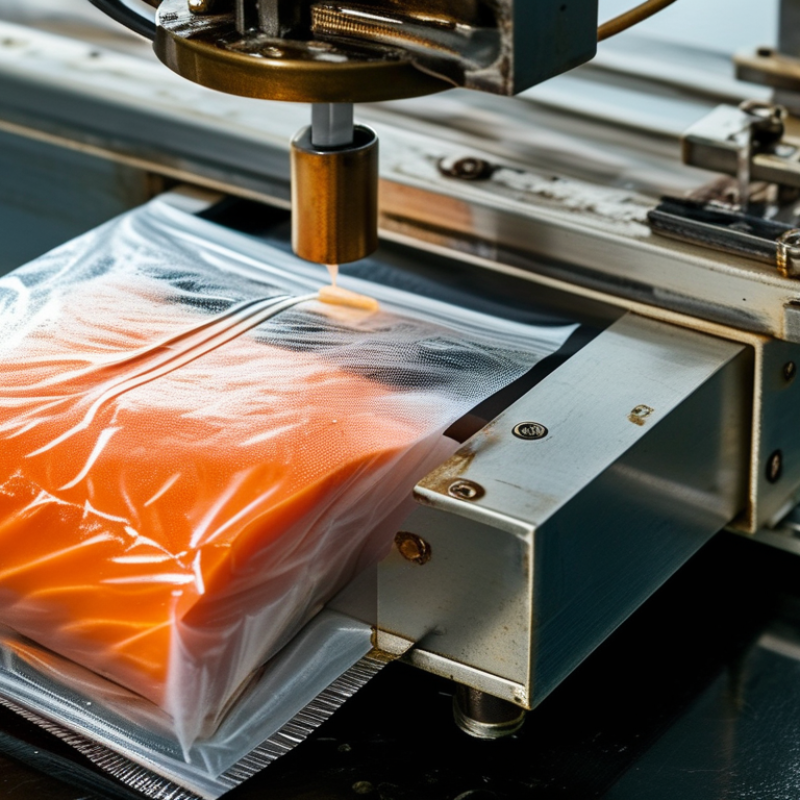
Table of Contents [Hide]
What Is a Food Sealer Machine?
A food sealer machine is a kitchen appliance that closes food inside specially designed bags or containers. It helps limit contact with air, moisture, dust, and handling. Some models use heat to melt bag layers together. Others remove air before sealing. The result is a tighter package for storage, preparation, or transport.
A vacuum sealer removes much of the air around food. Its pump pulls air from the bag, then a heated strip seals the opening. Meat, cheese, vegetables, and cooked meals can fit this method. A heat sealer works differently. It closes the bag without removing air. This option suits dry snacks, baked goods, and items that do not need vacuum pressure.
The machine is simple, but operation still requires judgment. Wet foods may send liquid toward the pump. Sharp bones can puncture the bag. Leave enough space above the food for a clean seal. Keep the sealing area dry and flat. A weak seal can break during storage.
It is not a magic freshness machine. Sealing cannot replace safe cooking, chilling, or sensible storage times. Food quality also depends on temperature and handling before sealing. In practical use, a clear date label makes the machine more useful. Small details matter.