What is a Forklift Collision Detection System and How Does It Work?
Forklift operations are essential in warehouses and manufacturing facilities. However, they carry significant risks. According to the Occupational Safety and Health Administration (OSHA), forklift accidents contribute to about 25% of serious workplace injuries. These incidents often stem from poor visibility and blind spots. To mitigate these risks, a Forklift Collision Detection System has emerged as a vital safety feature.
This system employs advanced sensors and technologies. These tools help monitor the environment around the forklift. For example, radar and camera systems detect obstacles. When an object is in proximity, alerts are triggered. These warnings can prevent collisions and save lives. A study from the National Safety Council indicates that such systems can reduce forklift accidents by up to 20%. While the technology shows great promise, its implementation requires proper training and management commitment.
Forklift Collision Detection Systems are crucial, yet challenges remain. Some workers may rely too heavily on them, feeling invulnerable. Continuous education and vigilance are necessary. The effectiveness of any safety system depends on user engagement and adherence to protocols. Investing in such technologies is not just a choice but a responsibility in maintaining a safe working environment.
What is a Forklift Collision Detection System?
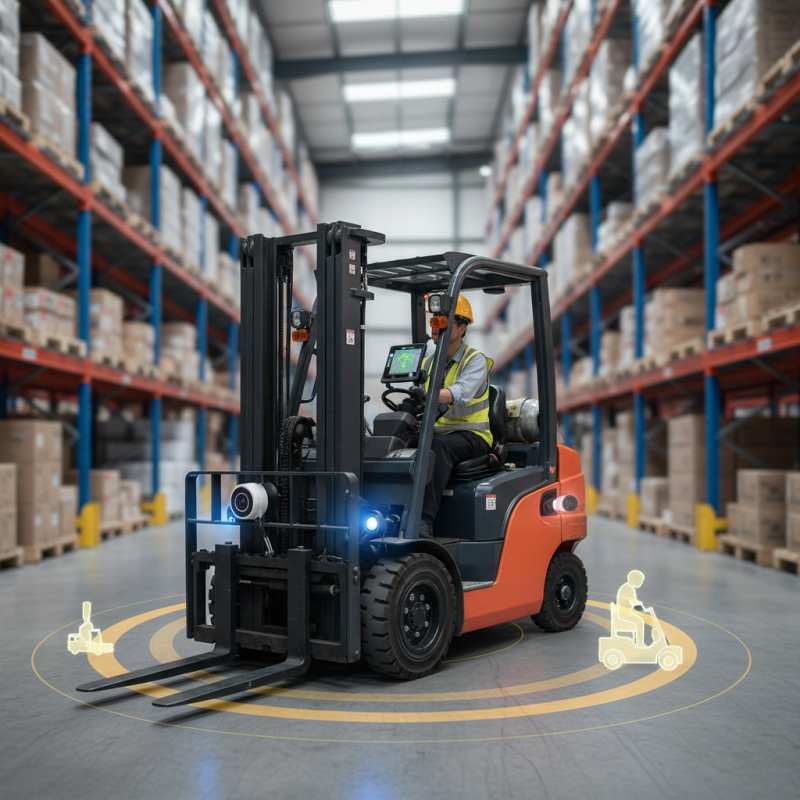
A Forklift Collision Detection System (FCDS) is essential for workplace safety. It uses sensors and cameras to detect obstacles. When a forklift approaches a potential collision, the system triggers alerts. This can prevent accidents that lead to injuries or damage. Research indicates that about 20% of workplace injuries involve forklifts, highlighting the importance of FCDS.
The technology behind FCDS is impressive. It employs LIDAR, ultrasonic sensors, and computer vision. These components create a 360-degree view of the environment. Some systems can integrate with warehouse management software. This allows for real-time monitoring and analysis. However, challenges remain. False positives can occur, leading to unnecessary alerts. Users may also find it hard to trust the technology.
Despite advancements, human error still contributes significantly to forklift accidents. According to industry reports, nearly 70% of such incidents are due to operator mistakes. Training is crucial, even with advanced detection systems. Success relies on a blend of technology and skilled operators. Implementing FCDS can elevate safety standards, yet continuous evaluation is necessary.
What is a Forklift Collision Detection System?
| Feature | Description |
| Obstacle Detection | Uses sensors to identify obstacles in the forklift's path and trigger alerts. |
| Safety Alerts | Audible and visual alarms notify operators of potential collisions. |
| Real-Time Monitoring | Continuously monitors the environment around the forklift to enhance safety. |
| Data Analytics | Collects data on forklift operation and near-miss incidents for analysis. |
| Integration with Fleet Management | Can be integrated into broader fleet management systems for efficiency. |
| Ease of Installation | Typically designed for quick and straightforward installation in various forklift models. |
Key Components of a Forklift Collision Detection System
Forklift collision detection systems are crucial for safety in warehouses and manufacturing facilities. They consist of several key components that work together to prevent accidents. Sensors play a significant role; they are often mounted on forklifts to detect obstacles. These sensors can include infrared, ultrasonic, or radar technologies. They help the forklift operator maintain a safe distance from other workers and equipment.
Additionally, warning systems are another vital part of this technology. When a potential collision is detected, these systems alert the operator through visual or auditory signals. Many systems also integrate cameras. These provide real-time video feeds to the operator, enhancing their awareness of the surrounding environment. Despite advancements, some challenges remain. Environmental factors, such as lighting and obstacles, can impact sensor accuracy. Continuous updates and training are necessary to ensure effectiveness.
The installation and calibration of collision detection systems require expertise. Proper implementation can greatly improve the overall safety of the workplace. However, some operators might ignore alerts over time. Regular training sessions can help maintain a vigilant mindset among workers. Addressing these lingering issues is crucial for the ongoing success of collision detection systems in preventing accidents.
How Forklift Collision Detection Systems Enhance Workplace Safety
Forklift collision detection systems play a crucial role in enhancing workplace safety. These systems use advanced sensors and algorithms to detect potential collisions between forklifts and other objects or personnel. They monitor the environment in real-time, alerting operators before accidents can occur. This proactive approach is essential in busy warehouses where visibility is limited and heavy machinery operates close to workers.
By incorporating these systems, companies reduce the risk of injuries and damage. The technology can be tailored to different workflows, improving efficiency and safety simultaneously. Operators receive audio or visual alerts when approaching a hazard, allowing them to react swiftly. Employee training is still crucial, as technology cannot replace human vigilance. Regular assessments and updates of the system's performance also matter. Some businesses may overlook routine maintenance, potentially compromising safety measures.
Moreover, while collision detection systems are invaluable, they are not foolproof. Human error remains a significant factor in workplace incidents. Continuous education about the limits of technology is essential. This understanding ensures that workers and operators maintain awareness, reinforcing a safety-first culture. Investing in safety tools is only part of the equation; fostering a mindful approach to operations is equally important.
Forklift Collision Detection System Performance Metrics
Industry Standards and Regulations for Forklift Safety Technology
Forklift safety technology has become crucial in modern warehouses. Industry standards emphasize various regulations to enhance safety. For example, the Occupational Safety and Health Administration (OSHA) sets guidelines for forklift operations. Reports indicate that over 70 fatalities occur annually due to forklift accidents. These statistics highlight the need for effective safety measures.
Forklift collision detection systems play a vital role in meeting these standards. They use sensors to detect obstacles and prevent collisions. According to the National Institute for Occupational Safety and Health (NIOSH), implementing these systems can reduce accident rates by 25%. Regular training on these systems is essential for operators to maximize their effectiveness.
Tip: Always encourage a culture of safety in your workplace. Remind operators to stay vigilant and report any malfunctioning equipment promptly. Small lapses in attention can lead to severe consequences. Effective communication during shifts can also help maintain a safe environment. Remember, a proactive approach can significantly reduce risks.
Future Trends in Forklift Collision Detection Systems and Technology
The future of forklift collision detection systems is rapidly evolving. Advanced technologies, such as LiDAR and machine learning, are becoming more common in warehouses. These systems enhance safety by identifying obstacles and predicting potential collisions. The use of artificial intelligence allows for continuous learning, improving response times and accuracy.
As these technologies develop, integration with other safety solutions is becoming essential. Forklift operators can receive real-time alerts through wearable devices. This immediate feedback helps prevent accidents. However, the challenge remains in ensuring consistent performance across different environments. Unexpected factors, such as equipment malfunctions or varying warehouse layouts, can affect reliability.
Moreover, there is a growing emphasis on user training. Operators need to understand how to interpret system warnings genuinely. Comprehensive training can enhance overall effectiveness. The potential for overreliance on technology also raises concerns. Striking a balance between human intuition and automated systems is crucial. As these collision detection systems evolve, ongoing reflection on their limitations will drive safer operational practices.