What is a GFCI Cord and How Does it Work?
A Ground Fault Circuit Interrupter (GFCI) cord is an essential safety device in electrical systems. It protects users from electric shock and prevents electrical fires. According to the National Electrical Manufacturers Association (NEMA), GFCI cords can reduce electrical accidents by up to 50%. This statistic highlights the importance of implementing safety measures in household and industrial electrical installations.
Expert Mark Sullivan, a leading figure in electrical safety technology, emphasizes, "GFCI cords are vital in preventing unexpected electrical hazards." His insight underlines the necessity of widespread GFCI cord usage. However, many consumers remain unaware of this technology. There is still a significant gap in knowledge regarding proper usage and installation.
GFCI cords face competition from older safety measures, leading to confusion. Some individuals still rely on traditional circuit breakers, unaware of GFCI's advantages. This discrepancy can lead to dangerous situations. Addressing these gaps through education and awareness is crucial for reducing electrical accidents and ensuring safety in our environments.

What is a Ground Fault Circuit Interrupter (GFCI) Cord?
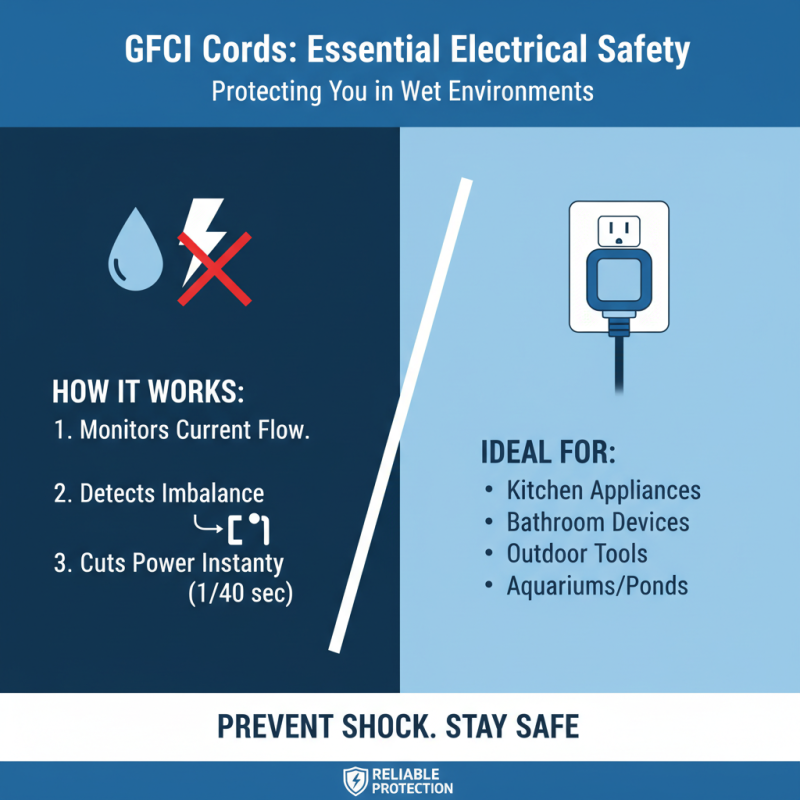
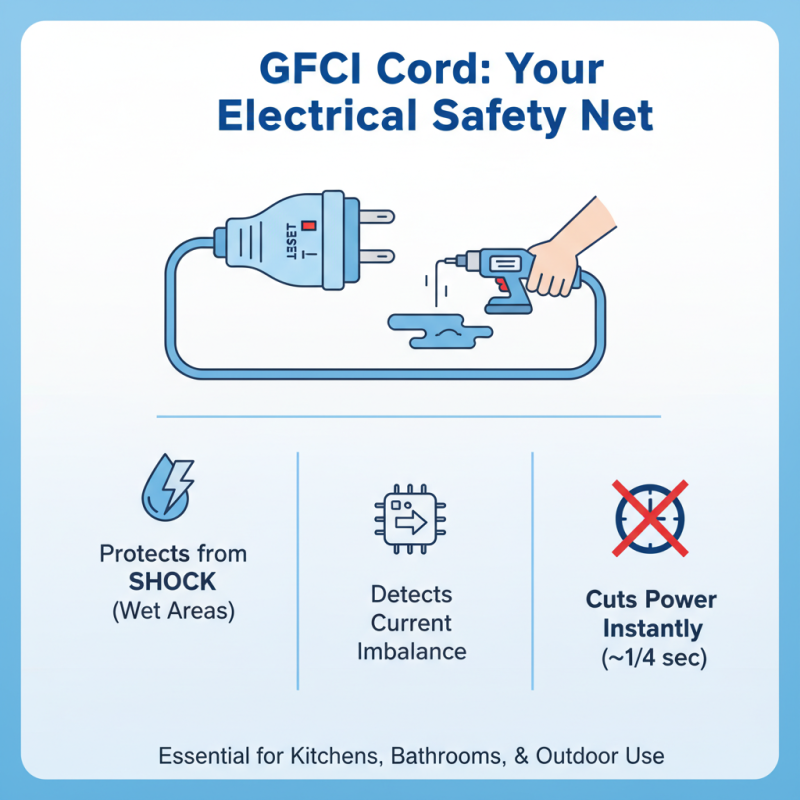
A Ground Fault Circuit Interrupter (GFCI) cord is a crucial safety device. It protects users from electric shocks, especially in wet environments. These cords are commonly used outdoors or in areas like kitchens and bathrooms. GFCI technology is designed to detect imbalances in electrical current. It can cut off power almost instantly, typically within a fraction of a second.
According to the National Electrical Manufacturers Association (NEMA), GFCIs prevent over 50% of electrocutions each year. Many accidents occur due to faulty wiring or devices in damp conditions. GFCI cords monitor the current flowing through them. If any difference is detected, the GFCI trips. This swift response can save lives. However, while GFCIs offer essential protection, they are not foolproof. Users must regularly test the GFCI feature to ensure proper functioning.
In a 2020 report, about 30% of GFCI installations tested in homes were found non-functional. This highlights the importance of regular maintenance. Users often forget to test their GFCIs. It’s a simple process but vital. Regular checks could reduce risks significantly. A little care goes a long way. GFCI cords are essential, but they require user vigilance and understanding.
Key Components of GFCI Cords and Their Functions
GFCI cords, or Ground Fault Circuit Interrupter cords, are essential for safety in wet or potentially hazardous environments. These cords consist of several key components that work together to protect against electrical shocks. The most critical part is the GFCI plug, which monitors the current flowing through the cord. If it detects an imbalance, it quickly cuts off power.
Another important component is the reset button. This allows users to restore power after the GFCI has tripped. There is also a test button to verify that the GFCI is functioning correctly. Using these features correctly is vital for safety.
Tips: Always test your GFCI cord before use. If the reset button does not engage, it may be faulty. Also, inspect the cord regularly for damage. Look for frays or wear that could expose wires. Taking a moment for this check can prevent accidents.
Consider the environment where you use GFCI cords. While they offer protection, they are not foolproof. Water and electricity do not mix, so avoid using cords in standing water. Keeping your workspace dry is essential for safety. Always be cautious, even with protective equipment.
Understanding GFCI Cord Usage
This bar chart illustrates the various features and usage contexts of GFCI cords, highlighting their importance in both indoor and outdoor settings. The ratings reflect the effectiveness and safety of GFCI cords in real-world applications.
How GFCI Cords Detect Ground Faults and Prevent Shocks
A GFCI cord, or Ground Fault Circuit Interrupter cord, plays a crucial role in electrical safety. It detects ground faults by constantly monitoring the flow of electricity. If it senses an imbalance, it quickly cuts off the power. This rapid action can prevent electric shocks, making it essential for outdoor or wet areas.
Ground faults occur when electricity escapes its intended path. According to the National Fire Protection Association (NFPA), ground faults in circuits contribute to thousands of electrical injuries annually. GFCI cords can significantly reduce these incidents. They use sensitive technology to detect minor fluctuations in current, often as small as 4-6 milliamps. This level of detection makes them highly effective.
Tips: Always inspect your GFCI cord before use. Look for cracks or frayed wires. Ensure it functions correctly by pressing the "test" button. Keep cords away from water sources. Despite their effectiveness, GFCI cords can fail. Regular checks are essential to enhance safety. Even the best cords can have issues, so stay vigilant.
What is a GFCI Cord and How Does it Work?
| Feature |
Description |
| Function |
Detects ground faults and prevents electrical shocks. |
| Components |
Includes a circuit breaker, a plug, and output receptacles. |
| Sensitivity |
Typically trips at 4 to 6 milliamperes of leakage current. |
| Applications |
Used in wet locations like kitchens, bathrooms, and outdoor settings. |
| Testing |
Should be tested monthly using the test button. |
| Benefits |
Increases safety by automatically shutting off power in fault conditions. |
Industry Standards and Testing for GFCI Cord Safety
GFCI cords are essential for electrical safety, especially in wet environments. They continuously monitor the current flowing through the cord. If an imbalance occurs, they cut off the power. This helps prevent electric shocks, particularly in areas like kitchens and bathrooms. The need for reliable protection is clear.
Industry standards dictate that GFCI cords must undergo rigorous testing. They must comply with safety regulations ensuring they perform correctly. Testing involves simulating fault conditions to verify functionality. It’s important to check for updates in these standards regularly.
While GFCI cords are designed for safety, not every cord is foolproof. Users need to inspect cords for wear and tear. A frayed or damaged cord can compromise safety. Regular checks can help ensure the protection remains intact. Mistakes can happen, and vigilance is key for safety in daily use.
Common Applications and Usage Scenarios for GFCI Cords
GFCI cords are essential for safety in wet environments. These cords are used in areas like bathrooms, kitchens, and outdoor spaces. They prevent electrical shock by monitoring current flow. When the flow is interrupted, the cord quickly shuts off power. This technology is crucial where water and electricity intersect.
In construction sites, GFCI cords are common. Workers often use them for tools that need protection from moisture. Gardeners also rely on them when using equipment outdoors. Even recreational activities, like camping, benefit from these cords. They enhance safety when using electrical appliances near water bodies.
Despite their benefits, not all users understand them fully. Some might not know how to test a GFCI cord regularly. This can lead to reliance on faulty equipment. Additionally, improper usage can occur, such as using a GFCI cord outdoors during heavy rain. Awareness is key. Users should educate themselves about best practices. This helps ensure that they remain safe while enjoying the convenience of electricity in various scenarios.