
-
- Products
- Indoor Household Cords
- Appliance Cords
- General Purpose Short-Length Cords
- General Purpose Extension Cords
- Landscape & Decorating Cords
- Bright Color Extension Cords
- Oil-Resistant Extension Cords
- Cold-Flex Extension Cords
- VividFlex Power Cords
- EXTREME All-Weather Cords
- Cord Management
- Task Lights
- Adapters & GFCI Devices
- Where to Buy
- About
- Careers
- Glossary
- Catalog


How to Choose the Right Electric Generator?
Choosing the right Electric Generator is not simply a matter of buying the highest wattage available. It requires matching demand, fuel, runtime, noise, installation, and operating conditions.
The International Energy Agency’s Electricity 2024 report expects global electricity demand to grow by an average of 3.3% annually from 2024 through 2026. That growth increases pressure on homes, businesses, construction sites, and critical facilities. Power interruptions can stop refrigeration, disable pumps, interrupt data systems, and create uncomfortable indoor conditions. A suitable generator provides more than emergency electricity. It protects continuity.
Real loads are less predictable than labels suggest. A refrigerator may use modest running power but demand a sharp startup surge. A well pump, air conditioner, or workshop compressor can create similar challenges. This guide explains how to calculate running and starting watts, compare portable, inverter, and standby designs, and evaluate gasoline, diesel, propane, and natural gas options. It also considers transfer equipment, fuel storage, emissions, maintenance access, and sound levels.
According to the U.S. Energy Information Administration’s Electric Power Monthly, reliability depends on generation, transmission, distribution, and local conditions. A generator cannot solve every weakness. It can still reduce exposure when selected carefully.
There is no perfect choice.
A larger unit may waste fuel and operate inefficiently under light loads. A smaller model may fail during motor startup. Manufacturer specifications also deserve scrutiny; marketing claims do not replace measured performance. The best decision combines professional load assessment, realistic usage estimates, recognized safety standards, and advice from qualified installers. This article offers a practical framework, while acknowledging that site conditions can change the final answer.
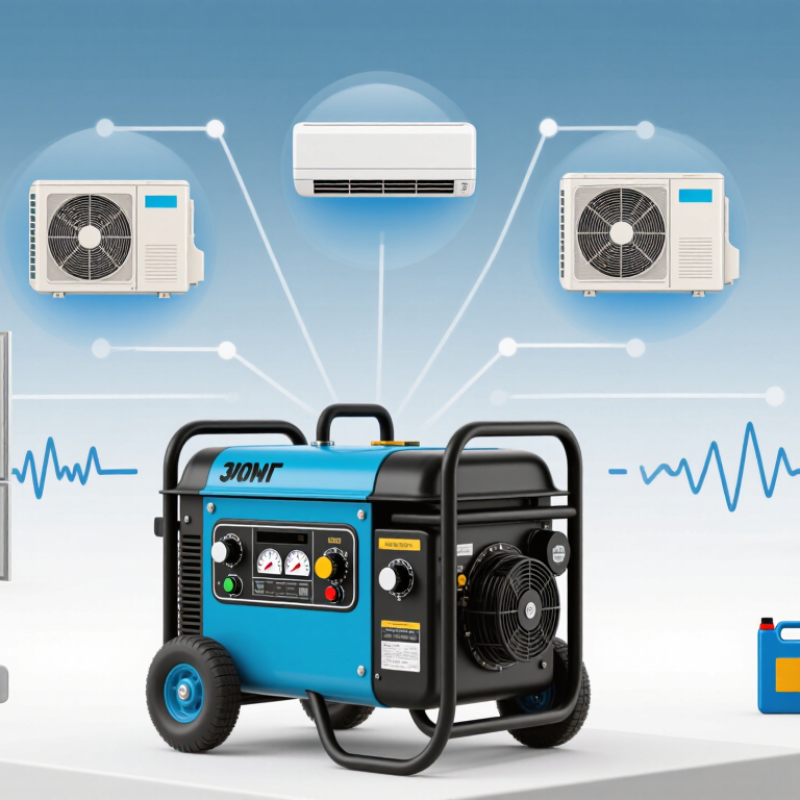
Table of Contents [Hide]
Define Your Electricity Needs and Operating Conditions
How to Choose the Right Electric Generator?
Define Your Electricity Needs and Operating Conditions
Start with a real load list, not a guess. Record each appliance’s running watts and starting surge. Motors, pumps, compressors, and refrigerators may demand two to seven times their running power during startup. Add the loads that must operate together, then allow a 20% reserve for unexpected demand. A generator that runs constantly at its limit may overheat, waste fuel, and age quickly.
Operating conditions matter just as much. At high altitude, thinner air can reduce engine output; many engines lose roughly 3% power per 1,000 feet. High temperatures can also reduce performance. The U.S. Department of Energy recommends considering climate, load profile, and fuel availability when evaluating backup power systems. Your site may need different capacity in winter than during a hot summer outage.
Think beyond the nameplate. The International Energy Agency’s Electricity 2024 report forecasts global electricity demand growth of about 4% in 2024 and 2025. More demand makes accurate sizing increasingly important. Check voltage, phase, frequency, runtime, noise, ventilation, and fuel storage.
Voltage Phase Frequency Runtime Noise Ventilation Fuel storage
Sensitive electronics may require stable voltage and frequency, while construction tools may prioritize surge capacity.
Never place a fuel-powered unit indoors or near windows. Carbon monoxide is invisible and can be fatal.
My checklist is useful, but not perfect; measure actual loads whenever possible, because assumptions fail in the field.