2026 How to Choose the Best Power Cord Extension Cable?
Choosing the right power cord extension cable is crucial for safe and efficient electricity use. Expert Thomas Malone, a seasoned electrical engineer, emphasizes, "The wrong extension cord can cause serious hazards." With so many options available, selecting the best one might feel overwhelming.
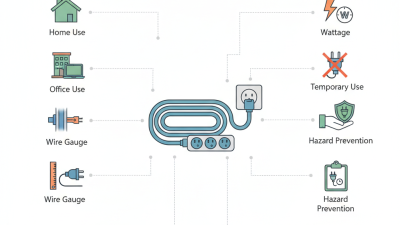
When evaluating power cord extension cables, consider wire gauge, length, and intended use. A heavy-duty cord may be necessary for high-wattage devices. On the other hand, lighter cables are suitable for smaller electronics. Each choice reflects our needs and circumstances.
It's important to acknowledge that not all cords are created equal. Often, cheap cables can compromise safety and performance. Investing time in selecting the right power cord extension cable ensures durability and reliability, providing peace of mind for everyday tasks. Each decision impacts both convenience and safety, making careful consideration essential.
Understanding Power Cord Extension Cable Basics
When selecting a power cord extension cable, it's essential to understand the basics. Power cords come in various lengths and gauges. The length you need depends on your space. Longer cables might work better in larger areas. However, they can lose voltage over distance. A thicker gauge wire is crucial for heavy appliances.
Look for the specifications, like the wattage capacity. It's important to ensure the cable can handle the power your devices require. Not all cables are equal. Some may not meet safety standards. Thus, choose cables that have proper certifications. Also, inspect connectors for sturdiness. Weak connections can cause interruption or even fires.
Consider your environment. If you plan to use the cord outdoors, look for weather-resistant options. In contrast, indoor cables can be lighter. Despite this, both types should provide a reliable performance. It's essential to reflect on these factors to minimize risks and optimize efficiency. Finding the right balance is key.
Key Factors to Consider When Choosing an Extension Cable
When selecting a power cord extension cable, several key factors must be assessed to ensure optimal performance. One crucial aspect is the cable's gauge. Thicker cables (lower AWG numbers) can handle more current. According to the National Electrical Code, an extension cord rated for 15 amps should ideally be 14 AWG. This enhances safety by reducing the risk of overheating.
Another important consideration is the cable's length. Longer cables can lead to voltage drops, which may impact device performance. A study from the Electrical Safety Foundation International indicates that a voltage drop of 10% can negatively affect electrical devices. Users should measure their space and choose cable lengths wisely, balancing convenience with safety.
Finally, the environment where the cable will be used matters. Outdoor cables should have weather-resistant features. In a recent survey, 40% of users reported using standard indoor cables outdoors, increasing the risk of damage and hazards. Ensuring the extensions align with usage contexts is vital. Being mindful of these details can significantly enhance reliability and durability, ultimately improving user experience.
Types of Power Cord Extension Cables and Their Uses
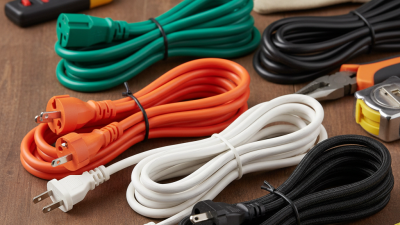
When choosing a power cord extension cable, understanding the different types available is crucial. There are various designs tailored for specific uses. For general household needs, standard extension cords work well. They are versatile and come in various lengths. However, not all tasks require the same type. Heavy-duty options are essential for equipment like power tools or appliances. These cables can handle higher wattage and are built to endure more stress.
For outdoor use, weather-resistant extension cords are necessary. They feature durable insulation to withstand elements. However, some users may overlook the importance of this feature. Using indoor cords outdoors can lead to electrical hazards. There's also the specialty option, like surge protector extension cords. These come equipped with multiple outlets and built-in surge protection. They are ideal for protecting sensitive devices, but they can be more expensive than standard cords.
Ensure the length of the cable suits your needs without excessive slack. Too much length can be a tripping hazard. A shorter cord can limit accessibility, leading to frustration. Select a cable that aligns with your specific requirements. Always check the amp rating to match your devices effectively. This balance of detail can help prevent electrical mishaps. Evaluate your needs carefully to avoid mistakes.
Power Cord Extension Cable Types and Their Uses
Safety Standards and Certifications for Extension Cables
When selecting an extension cable, safety standards are paramount. In a comprehensive report by the National Fire Protection Association (NFPA), it was noted that electrical failures caused over 25,000 fires in the U.S. in 2019 alone. This staggering statistic highlights the critical need for consumers to choose cables that comply with safety certifications. Look for cords that meet UL, CE, or other relevant certification marks. These labels indicate the product has undergone rigorous testing for safety.
Another factor to consider is the build quality of the extension cable. Cables made with thicker gauge wire are generally safer and more reliable. For example, a cable rated for 15 amps can safely power devices without overheating. Yet, many consumers overlook this detail and purchase lower-rated cables. According to a 2020 survey by the Consumer Product Safety Commission (CPSC), about 30% of users admitted to using inappropriate cables, risking device damage or worse, fire hazards.
Moreover, understanding the environment in which an extension cable will be used is essential. Indoor and outdoor cables have different specifications. Outdoor cables must withstand moisture, temperature changes, and UV rays. If users choose the wrong type, they may compromise safety. It’s a complex decision, as many people often focus on price over quality. Safety should never be a budget consideration when it comes to electricity.
2026 How to Choose the Best Power Cord Extension Cable? - Safety Standards and Certifications for Extension Cables
| Dimension |
Safety Standard |
Certification |
Usage Environment |
Max Load (Amperes) |
| 16 AWG |
UL 817 |
UL Listed |
Indoor |
13A |
| 14 AWG |
CSA C22.2 |
ETL Listed |
Outdoor |
15A |
| 12 AWG |
NEC |
PSE Certified |
Heavy-Duty Indoor |
20A |
| 10 AWG |
IEC 60884 |
CE Certified |
Industrial Use |
30A |
Maintenance Tips for Extending the Lifespan of Your Cables
When maintaining power cord extension cables, consideration is crucial for longevity. Research indicates that nearly 70% of household electrical issues come from worn-out cables. Regular checks can prevent risks and enhance safety. Look for fraying or exposed wires, and replace damaged cables promptly.
Storing cables properly minimizes wear. Coiling cables loosely prevents kinks. A tangled mess can cause premature wear. A study found that cables stored incorrectly have a 50% shorter lifespan than those kept neatly. Keep them away from moisture and heat. Environment plays a significant role in the cable's durability.
Using the right extension cord for specific devices matters, too. Overloading a cord can lead to overheating. Ensure that the cord matches the power requirements of your devices. This practice can extend the life of your extension cords significantly. Regular maintenance checks, alongside proper storage, keeps your power cables safe and functional.