
-
- Products
- Indoor Household Cords
- Appliance Cords
- General Purpose Short-Length Cords
- General Purpose Extension Cords
- Landscape & Decorating Cords
- Bright Color Extension Cords
- Oil-Resistant Extension Cords
- Cold-Flex Extension Cords
- VividFlex Power Cords
- EXTREME All-Weather Cords
- Cord Management
- Task Lights
- Adapters & GFCI Devices
- Where to Buy
- About
- Careers
- Glossary
- Catalog


Top EV Resistor Manufacturers for Global Buyers
Choosing the right Ev Resistor manufacturer requires more than comparing prices or browsing polished product pages. Global buyers need evidence of engineering capability, stable production, and dependable after-sales support. A suitable supplier should explain resistance values, power ratings, pulse loads, insulation strength, and thermal limits clearly. Those details matter inside battery systems, charging equipment, and motor controllers. A vague datasheet can create expensive surprises.
This guide examines leading Ev Resistor manufacturers serving international markets. It considers product range, customization, testing practices, certifications, delivery experience, and communication quality. Some manufacturers focus on compact aluminum-housed resistors. Others produce liquid-cooled units for demanding regenerative braking or pre-charge applications. Factory photographs, sample reports, and traceable test records can reveal more than broad marketing claims. Practical evidence matters.
No ranking is universally correct. That limitation matters. Vehicle platforms differ greatly in voltage, current, enclosure space, and operating temperature. Buyers should confirm specifications with qualified engineers before selecting a supplier. A resistor rated for short pulses may not survive continuous braking energy. Likewise, a component that performs well in a laboratory may require different cooling in a dusty factory environment. This overview offers a careful starting point, not a substitute for validation. It highlights manufacturers that appear capable of supporting professional procurement, while recognizing that delivery consistency and technical responsiveness must be checked directly. Expect useful comparisons, but keep a critical eye.
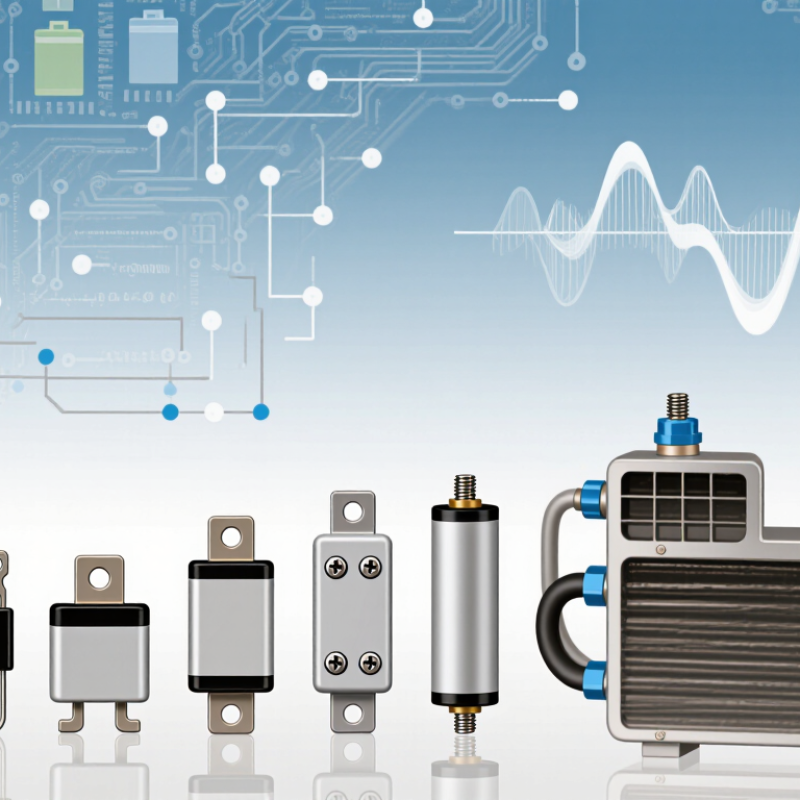
Table of Contents [Hide]
EV Resistor Market Scope: 17 Million+ Electric Cars Sold Globally in 2024
Top EV Resistor Manufacturers for Global Buyers
EV Resistor Market Scope: 17 Million+ Electric Cars Sold Globally in 2024
The electric vehicle market has entered a demanding production phase. The International Energy Agency’s Global EV Outlook 2025 reports more than 17 million electric cars sold worldwide in 2024. Electric models represented over 20% of new car sales. That scale increases demand for reliable power resistors in pre-charge circuits, battery discharge systems, braking controls, and thermal management.
Resistors may look small. Their duty is not.
Global buyers should assess pulse capability, insulation performance, resistance stability, and cooling design. A pre-charge resistor may face repeated current surges before the main contactors close. In a compact battery system, poor heat dissipation can create local hot spots near busbars and connectors. Product testing should include temperature cycling, vibration exposure, humidity resistance, and short-duration overload behavior.
The headline is useful, but incomplete. Vehicle sales do not directly equal resistor demand. Different platforms use different circuit layouts and component counts. The IEA also notes continuing growth in electric vehicle deployment across major markets, while charging infrastructure and battery capacity keep evolving. Buyers need traceable test records, controlled production processes, and clear failure data from suppliers. Certification documents help, but they cannot replace application testing. A resistor that passes a laboratory check may still underperform inside a crowded, high-temperature enclosure.