What are Long Extension Cords and How to Choose the Right One
Long extension cords are essential tools used across various industries and households, providing the flexibility to power devices that are situated far from electrical outlets. According to the National Fire Protection Association (NFPA), extension cords are involved in approximately 3,000 home fires each year, underscoring the importance of using the right type of long extension cords for safety and efficiency. The market for extension cords is projected to grow steadily, with a CAGR of 4.5% from 2021 to 2028, reflecting an increasing reliance on these products for both residential and commercial use.
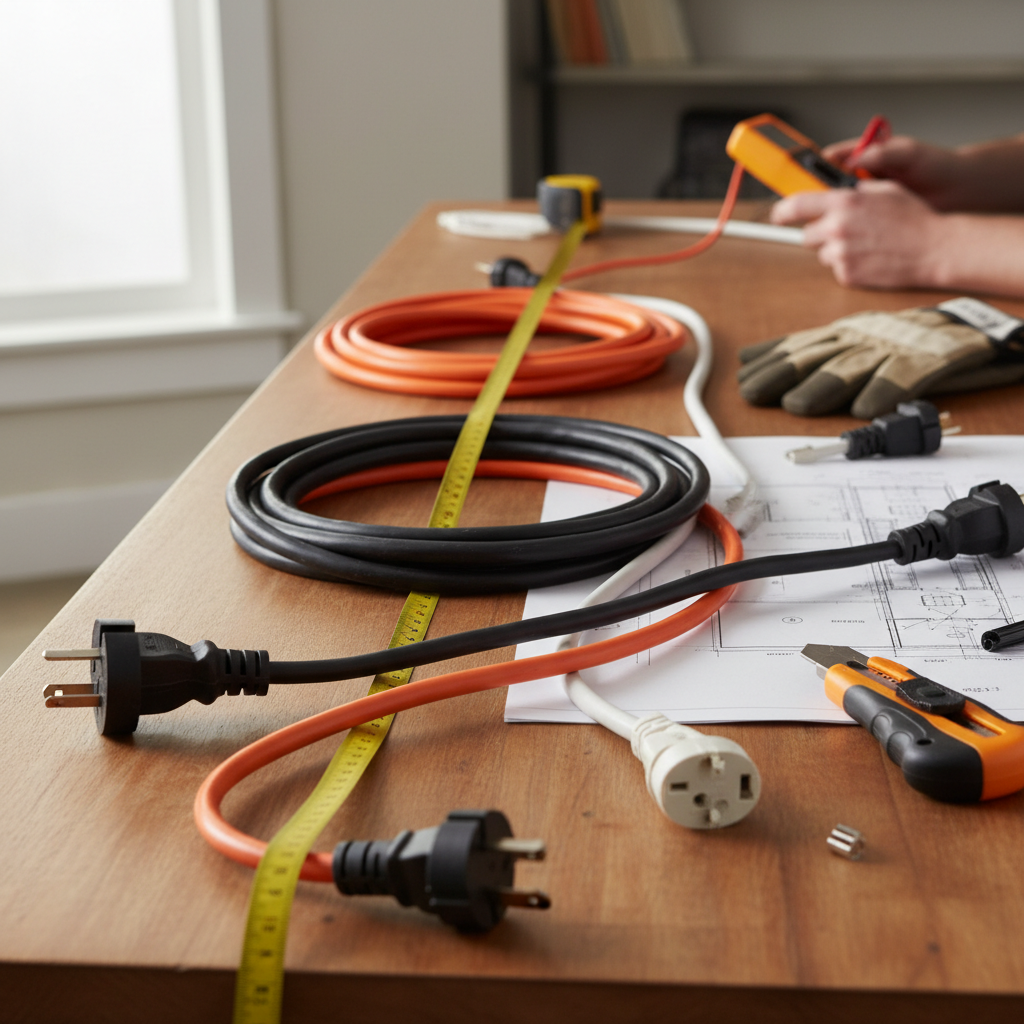
When it comes to selecting long extension cords, key factors such as gauge, length, and power rating are vital to ensure both performance and electrical safety. For instance, a lower gauge number indicates a thicker wire, which can handle higher current loads, while longer cords may lead to voltage drops that could hinder performance. The consumer's choice can significantly impact not only the convenience and efficacy of powering devices but also the overall safety in their usage circumstances. By understanding the intricacies of long extension cords, users can make informed decisions that enhance their efficiency and minimize risks, paving the way for a safer and more productive environment.
Understanding Long Extension Cords: Definition and Purpose
Long extension cords are electrical cables designed to extend the reach of power sources, allowing you to connect devices that are far from outlets. These cords typically have a longer length than standard cords, ranging from 25 to 100 feet or more, and come with multiple outlets to facilitate the connection of several devices simultaneously. Their primary purpose is to provide flexibility and convenience, making it easier to power tools, lighting, and other electronics in areas where conventional outlets may be scarce or inaccessible.
When selecting the right long extension cord, it’s essential to consider factors such as the cord's gauge, length, and power rating. The gauge refers to the thickness of the wire, which affects its current-carrying capacity. A lower gauge number indicates a thicker wire that can handle more power without overheating. Additionally, you should assess the wattage requirements of the devices you plan to use to ensure the extension cord can handle the load safely. Weather resistance is another consideration for outdoor use, as exposure to the elements can wear down the cord over time. By understanding these aspects, you can choose the best long extension cord for your needs.
What are Long Extension Cords and How to Choose the Right One
| Feature |
Description |
Considerations |
Usage Examples |
| Length |
Ranges from 25 to 100 feet or more. |
Choose based on the distance from the outlet to the device. |
Powering lawn equipment, tools, or outdoor lights. |
| Gauge |
Refers to wire thickness (lower gauge = thicker wire). |
Lower numbers support higher wattage; consider electrical needs. |
Using high-wattage tools or appliances. |
| Type |
Indoor vs. outdoor rated extension cords. |
Select outdoor for weather resistance; indoor for regular use. |
For garden use or indoor decoration lighting. |
| Safety Features |
Includes surge protection and grounding. |
Check for added safety features to prevent hazards. |
Safely powering multiple devices simultaneously. |
| Weight Capacity |
Maximum load that can safely be handled. |
Ensure it meets or exceeds the needs of devices. |
Using multiple tools or appliances together. |
Types of Long Extension Cords: Which One Suits Your Needs?
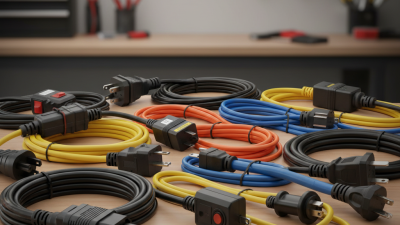
When it comes to choosing the right long extension cord, understanding the different types available is crucial to meet your specific needs. Long extension cords can be classified mainly into three categories: indoor, outdoor, and heavy-duty cords. Indoor cords are designed for lower voltage applications, typically rated for light household use. Outdoor cords are more durable, often weather-resistant and can handle increased wattage for tools and appliances used outside. Heavy-duty cords are ideal for high-demand power tools and equipment, typically rated at 12 or even 10 AWG to minimize voltage drop over long distances.
When selecting the right extension cord, consider the wattage requirements of your devices. For instance, a standard 100-foot 16 AWG extension cord can handle up to 1,750 watts, while a 12 AWG cord can support up to 2,400 watts. It's also essential to assess the length; longer cords can lead to voltage drop, which can impair performance and pose safety risks.
**Tips:** Always opt for a thicker gauge cord for high-draw applications to reduce the risk of overheating. Additionally, consider purchasing cords with built-in circuit breakers for added safety. It's also beneficial to regularly inspect your cords for signs of wear or damage to ensure safe operation.
Types of Long Extension Cords and Their Ratings
Key Factors to Consider When Choosing a Long Extension Cord
When selecting a long extension cord, several key factors should be considered to ensure safety and efficiency. One of the most crucial aspects is determining the appropriate gauge of the wire. According to the National Electrical Manufacturers Association (NEMA), heavier gauges (lower numbers, e.g., 12 or 14) can handle higher currents, making them more suitable for power tools and heavy appliances. Using a lighter gauge cord for high-draw appliances can lead to overheating and potential fire hazards.
Additionally, the length of the extension cord affects not only the voltage drop but also the overall performance of connected devices. The American National Standards Institute (ANSI) suggests that using cords longer than 100 feet may result in a significant voltage drop, which can impair the operation of electrical equipment. Therefore, it is essential to match the cord length to the required application while keeping in mind both the voltage and wattage ratings of the devices being powered. Considering these factors will help you select the right long extension cord for your needs, ensuring functionality and maintaining safety standards.
Safety Tips for Using Long Extension Cords Effectively
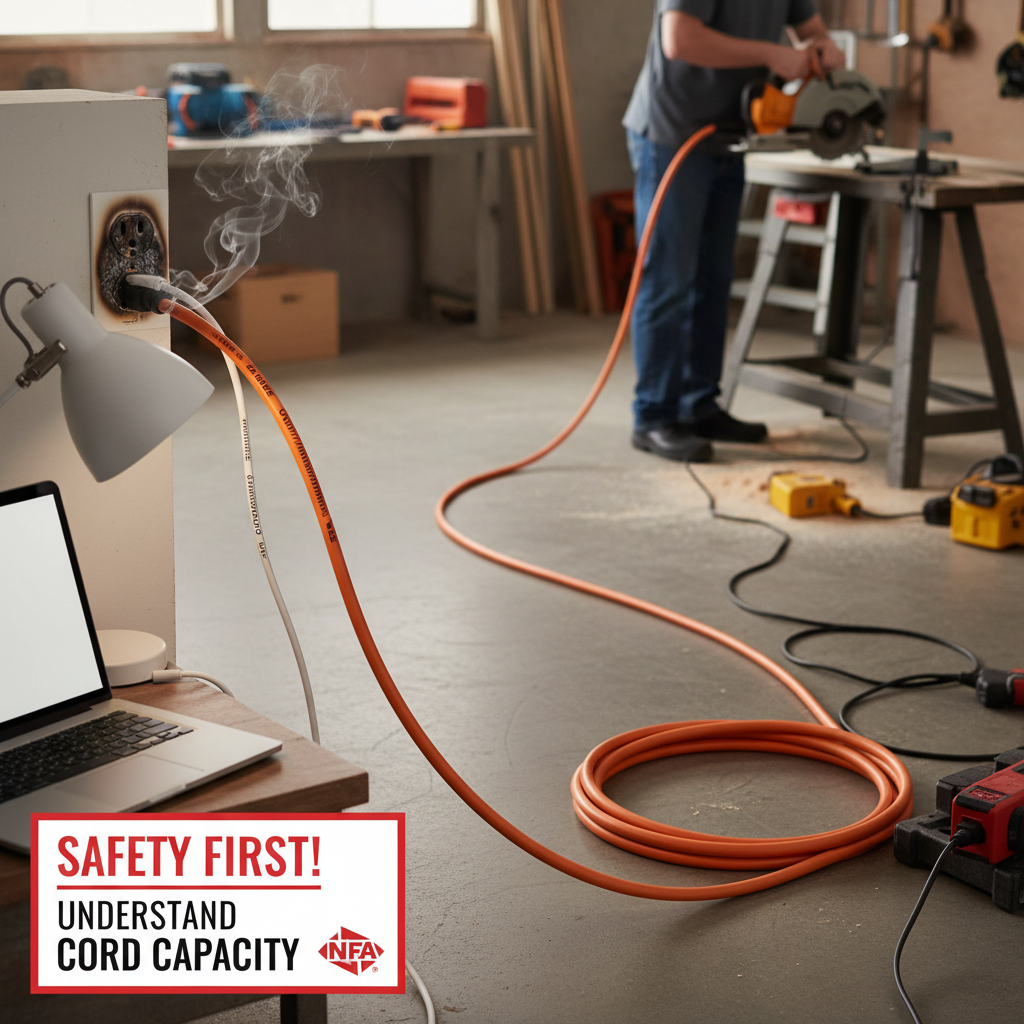
Long extension cords are indispensable tools in both home and industrial settings, but their improper use can lead to serious hazards. According to the National Fire Protection Association (NFPA), electrical failures or malfunctions were responsible for an estimated 43,700 reported home fires in 2018, resulting in 420 deaths and $1.4 billion in property damage. Safety should always come first when using long extension cords, and understanding their capacity is crucial. It's important to choose a cord with the appropriate gauge; lower gauge cords can handle higher currents. For instance, a 12-gauge extension cord can typically handle up to 20 amps, making it suitable for power tools, while a 16-gauge cord is better suited for lighter household use.
In addition to selecting the right gauge, proper usage practices are essential for safety. Always ensure that extension cords are not overloaded; the Occupational Safety and Health Administration (OSHA) recommends that power drawn through an extension cord should not exceed the cord’s rated capacity. Furthermore, cords should be kept out of high-traffic areas to prevent tripping hazards and should never be routed through doorways where they could be pinched or damaged. To maintain the integrity of the cord, avoid daisy-chaining multiple cords together; this can significantly increase the risk of overheating. By understanding these safety tips and best practices, users can effectively minimize risks while maximizing the utility of long extension cords.
Maintaining and Storing Long Extension Cords for Longevity
Maintaining and storing long extension cords properly is crucial for ensuring their longevity and safe usage. According to a study by the National Fire Protection Association, improper handling and storage of electrical cords contribute significantly to home electrical fires. Therefore, following best practices is essential to minimize risks and extend the life of your cords.
Firstly, always coil your extension cords neatly when not in use. This practice prevents tangling and reduces wear on the cord’s insulation. It's recommended to use the "over-under" method for coiling, as it helps prevent kinks and preserves the flexibility of the cord. Additionally, try to avoid wrapping cords tightly around sharp objects or creating stress points that could damage internal wiring.
When it comes to storage, keeping your long extension cords in a cool, dry environment is key. Excessive heat and moisture can compromise the cord’s integrity, leading to potential hazards. If possible, use a designated storage container to keep cords organized and protected from environmental factors. This approach not only prolongs the life of the cords but also makes them easily accessible when needed.
Tip: Regularly inspect your extension cords for any signs of wear or damage. If you notice frayed wires or broken plugs, it's crucial to replace the cord immediately to avoid electrical hazards.