How to Organize and Manage Your Cords and Cables Effectively
In today's tech-driven world, managing our devices often comes with an increasing responsibility: organizing the numerous cords and cables that accompany them. Whether it's the power cable for our laptops, the chargers for our smartphones, or the tangled mess of audio and video cables behind the entertainment center, it's easy for cord and cable clutter to become overwhelming. A well-organized space not only enhances productivity but also reduces the frustration that often comes with searching for the right cord when you need it.
To effectively manage cords and cables, it's essential to implement practical strategies that can streamline your environment. From using cable ties and clips to repurposing household items for organization, there are plenty of creative solutions available. By categorizing cords according to their purpose and utilizing storage options, you can minimize chaos and maintain a visually appealing setup. Moreover, this proactive approach to cord and cable management can lead to improved safety by decreasing the risk of tripping hazards and electrical accidents.
Ultimately, a well-organized approach to your cords and cables can transform your living and workspaces. With a bit of planning and the right tools, anyone can conquer the cord chaos and enjoy the benefits of an orderly environment, making it easier to focus on what truly matters.
Understanding the Importance of Cable Management in Modern Life
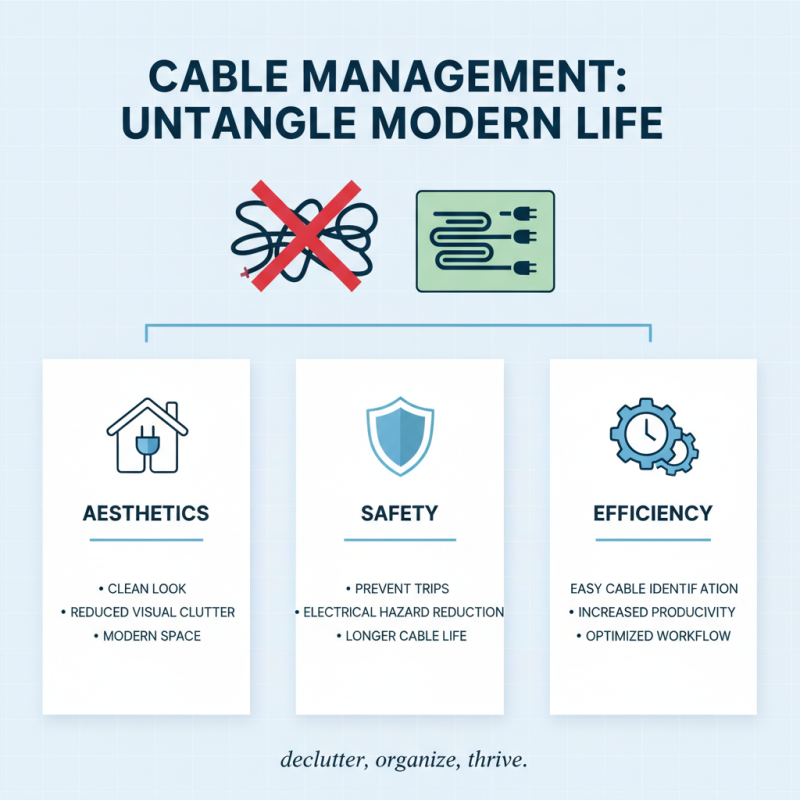
In modern life, the importance of cable management cannot be overstated. With the rise of technology, our homes and workplaces are often cluttered with an array of cords and cables that can create chaos. Proper cable management not only enhances the aesthetic appeal of your space but also contributes significantly to safety and efficiency. Tangles and clutter can lead to accidents, as well as decreased productivity when searching for a specific cable amidst a mess.
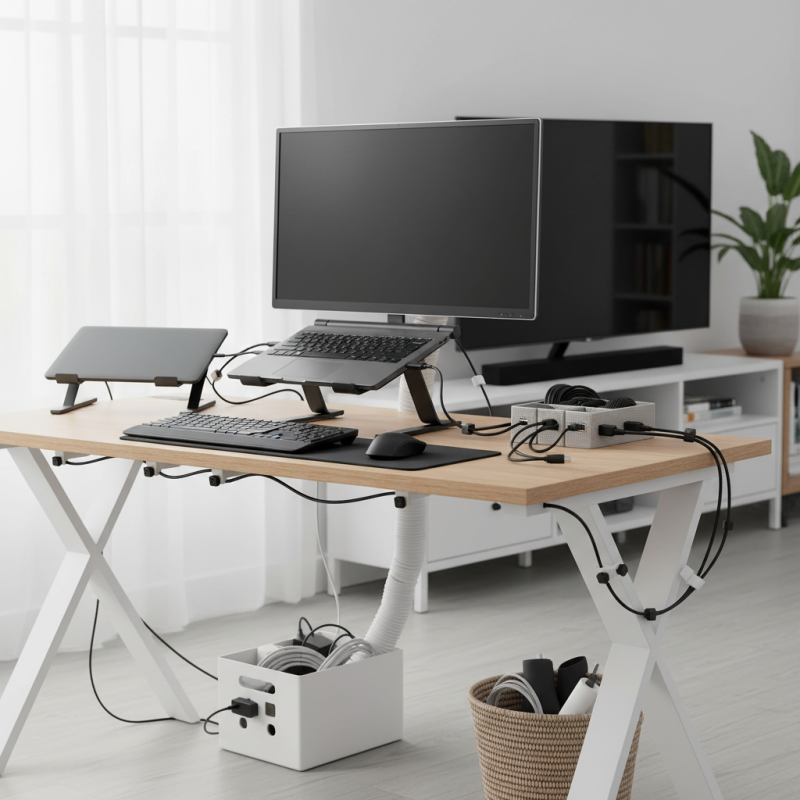
One effective tip for managing cords is to use cable organizers or clips, which allow you to group cables together and keep them neatly in place. This prevents tangling and makes it easier to identify different cords at a glance. Additionally, labeling your cables can save time and frustration, especially when dealing with multiple devices. Color-coded labels or simple tags can make all the difference in finding the right cord quickly.
Another helpful strategy is to route cables behind furniture or along walls, using adhesive cable channels to keep them out of sight. This not only keeps your living space looking tidy but also protects cords from potential damage caused by foot traffic or pets. By implementing these cable management techniques, you can create a more organized and efficient environment that highlights the functionality of your devices without the distraction of tangled wires.
Identifying Different Types of Cords and Cables in Your Space
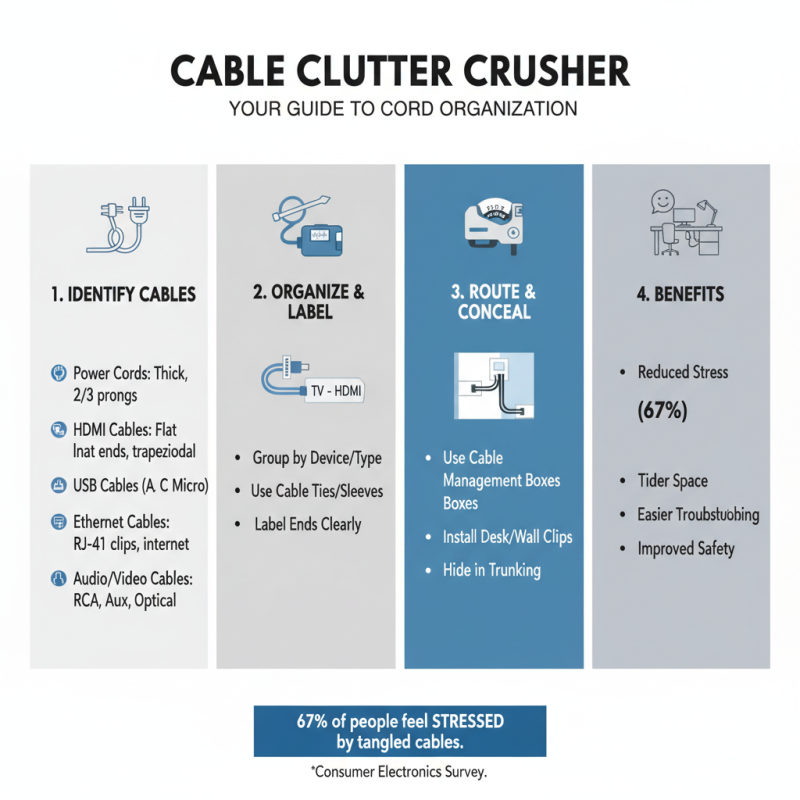
Understanding the various types of cords and cables in your space is essential for effective organization and management. In modern households and workplaces, a multitude of cables exists, including power cords, HDMI cables, USB cables, Ethernet cables, and audio/video cables. According to a survey conducted by the consumer electronics industry, 67% of respondents reported that tangled cables contribute to their feelings of clutter and stress. Recognizing these different types allows you to tailor your organizational strategies effectively.
Tips for identifying and categorizing your cords include labeling each cable with its specific use case, thus minimizing confusion during setup or troubleshooting. Additionally, grouping similar cables together—such as all charging cables or audio cables—can streamline your workspace. Implement drawer organizers or cable management boxes to keep them contained and prevent them from becoming tangled. A National Association of Professional Organizers study suggests that a well-organized space can increase productivity by up to 20%, highlighting the value of effective cable management.
Another useful approach is visual identification; consider using different colored ties or clips for distinct purposes. For instance, red could signify power cables while blue may indicate data cables. Maintaining an inventory of cords and their respective devices also aids in preventing unnecessary purchases and reducing clutter. A properly maintained cable organization system not only enhances the aesthetic appeal but can also lead to a more efficient working environment.
Selecting the Right Tools and Accessories for Organizing Cables
When tackling the challenge of organizing your cords and cables, selecting the right tools and accessories is crucial for achieving a tidy and efficient workspace. A variety of cable management solutions are available, including cable ties, clips, sleeves, and boxes. Each tool serves a unique purpose, allowing you to customize your organization system according to your needs. For example, adhesive clips can help secure cables along walls or desks, while cable sleeves can bundle multiple cords together, minimizing tangles.
Tips: To start, assess the types and lengths of cables you have. This will inform your choice of accessories. In situations with numerous short cables, consider using color-coded ties or labels to identify each cord quickly. For longer cables, a cable box can not only hide unsightly cords but also allow for some breathing room to prevent wear and tear.
Another effective accessory is the cable tray, which can be mounted under your desk to keep cords off the floor and free from damage. Utilizing a combination of these tools will streamline your cable management, creating a more organized and efficient environment. Remember to regularly reassess your setup to accommodate any new devices or changes in your workspace.
Step-by-Step Guide to Organizing Cords and Cables Effectively
Managing cords and cables can often seem like an overwhelming task, but with a systematic approach, it can be streamlined effectively. A recent report from the Organization for Economic Co-operation and Development (OECD) indicates that households with multiple electronic devices can accumulate up to 30 feet of cable clutter. This statistic highlights the importance of having a strategic plan to organize these cords. To begin, assess your space by gathering all cords in one area and identifying which cables are necessary. This initial step allows you to prioritize essential cables while eliminating those that are obsolete or redundant.
Once you have a clear understanding of your cords, the next step is to categorize them. Grouping cords by function—such as charging wires, data cables, and audio connections—can simplify the organization process. According to a report from the Consumer Electronics Association (CEA), well-organized cables not only enhance aesthetics but also reduce time spent searching for specific cables by up to 50%. You can further enhance your organization by employing cable management solutions such as clips, sleeves, or boxes. Utilizing these tools not only prevents tangling but also protects cords from wear and tear, ultimately prolonging their lifespan and functionality. With these strategies in hand, effective organization of cords and cables is both achievable and essential for a clutter-free environment.
How to Organize and Manage Your Cords and Cables Effectively
| Type of Cable |
Organization Method |
Recommended Storage |
Tips for Maintenance |
| USB Cables |
Twist Ties or Velcro Straps |
Drawer Organizer |
Regularly check for fraying |
| Earphone Cords |
Cable Clips |
Case or Pouch |
Avoid pulling on the cords |
| Power Cords |
Cable Management Box |
Shelf or Under Desk |
Keep away from heat sources |
| HDMI Cables |
Cable Ties |
Wall-mounted Racks |
Label for easy identification |
| Ethernet Cables |
Binder Clips |
Cable Box |
Keep out of walkways |
Maintaining an Organized Cable System for Long-Term Efficiency
Maintaining an organized cable system is crucial for both household and office environments, as tangled cords can lead to not only aesthetic issues but also safety hazards. According to a report by the National Fire Protection Association (NFPA), faulty wiring and electrical malfunctions were involved in approximately 24,000 home structure fires annually. Effective cable management minimizes these risks while enhancing the overall efficiency of working spaces. Organizing cables by using color coding and labeled zip ties can significantly reduce the time spent tracing connections, leading to improved productivity.
A systematic approach to cable organization includes evaluating the types and routes of cables used in a space. Research conducted by the International Facility Management Association (IFMA) indicates that 73% of professionals believe an organized workspace directly correlates with better work performance. By grouping cables based on usage and ensuring they are neatly routed without unnecessary slack, users can create an environment that minimizes distractions and maximizes efficiency. Utilizing cable trays, clips, and sleeves also fosters a long-term management strategy that preserves the life of cords while maintaining a tidy workspace. Prioritizing these practices not only ensures safety but also contributes to smoother workflow dynamics.
Cable Management Efficiency by Type