How to Organize and Manage Electronic Cords for a Clutter Free Space
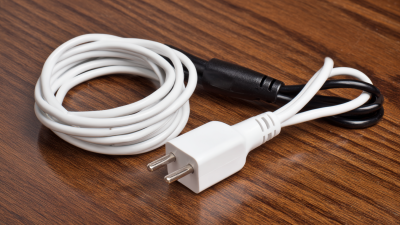
In today’s tech-driven world, the proliferation of electronic devices has led to a corresponding increase in electronic cords, cluttering our living and working spaces. A report by the National Association of Professional Organizers indicates that nearly 80% of Americans feel overwhelmed by clutter in their homes, with tangled cords being a significant contributor to this chaos. As we embrace smart technology and electronic gadgets, managing these cords effectively becomes essential not only for aesthetics but also for enhancing functionality and safety.
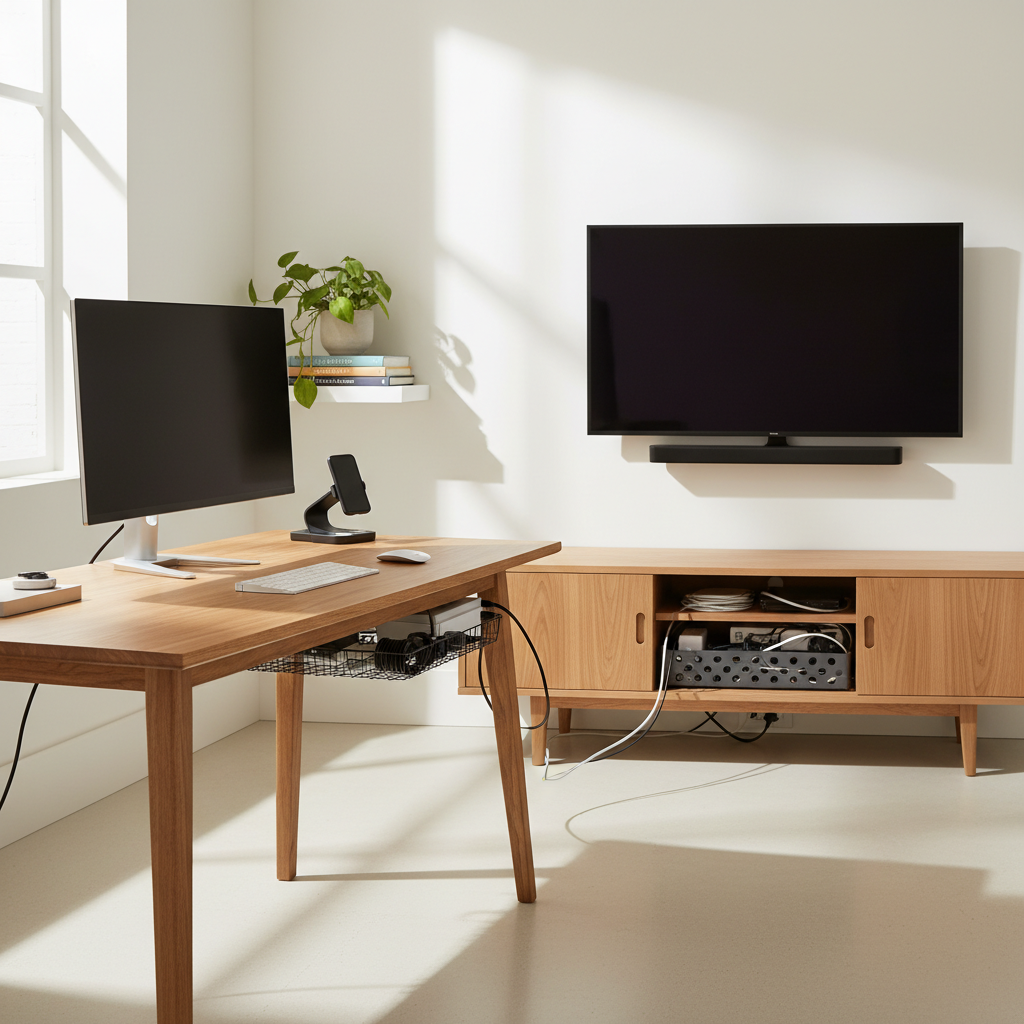
Research shows that a well-organized environment can improve productivity by up to 20%, highlighting the importance of keeping our spaces clutter-free. Electronic cords pose safety hazards, including potential tripping risks and overheating issues if not managed properly. By understanding the various solutions available for organizing electronic cords, we can create a more streamlined and efficient environment. This article will explore the top 10 strategies for organizing and managing electronic cords, enabling you to reclaim your space and enhance your overall living experience.
Tips for Categorizing Your Electronic Cords Effectively
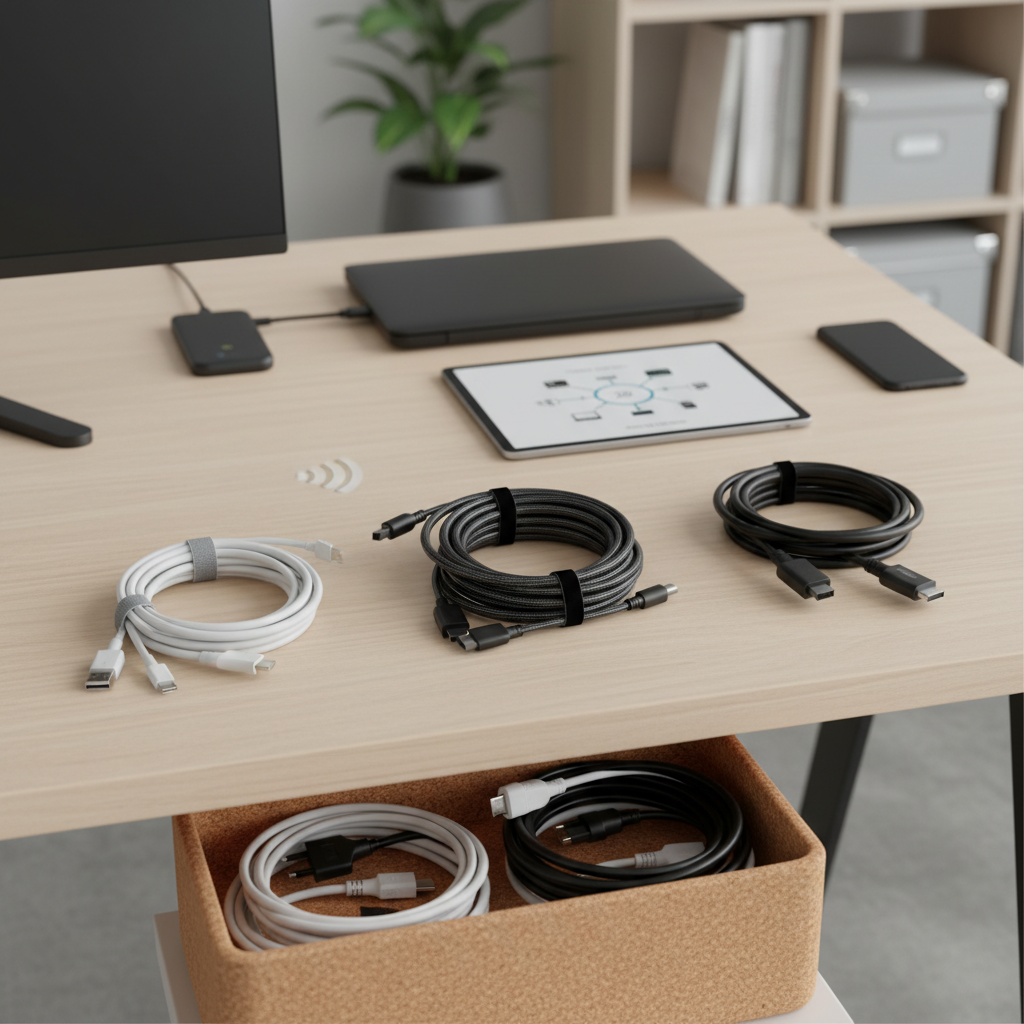
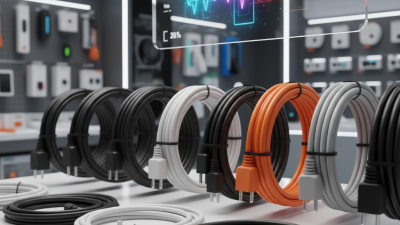
In today’s technology-driven world, managing electronic cords effectively is crucial for maintaining a tidy and organized space. A report by the Consumer Electronics Association highlights that the average household owns over 25 electronic devices, contributing to a growing number of cords that can quickly overwhelm any workspace. To tackle this clutter, categorization is key. Begin by sorting cords by their function—charging cables, data transfer cables, and power cords can each be grouped together. This not only simplifies access but reduces the time spent untangling cords.
Once sorted, utilize storage solutions that suit your needs. For instance, the use of labeled cable organizers can increase efficiency and ease of use; studies indicate that organized spaces can enhance productivity by up to 20%. Furthermore, consider investing in multi-port charging stations for similar devices. This reduces the visual chaos of scattered cords and creates a streamlined look. By employing these categorization techniques and effective storage solutions, you can significantly diminish cord clutter, leading to a more productive and aesthetically pleasing environment.
Creative Ways to Use Cable Management Accessories
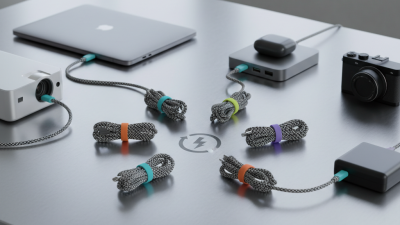
When it comes to organizing electronic cords, utilizing cable management accessories can make a significant difference in achieving a clutter-free space. One creative way to manage cords is by using cable clips. These small, adhesive clips can be attached to your desk or wall, holding wires securely in place and preventing them from tangling. By designating specific clips for each device, you create a neat and organized appearance while making it easy to access the cords when needed.
Another effective solution is to use cable sleeves. These fabric or plastic tubes not only conceal cords but also protect them from potential damage. Simply gather multiple cords, slip them into the sleeve, and voilà— your workspace instantly looks cleaner and more streamlined. Additionally, consider labeling each cord with customizable tags to quickly identify which cable belongs to which device. This will not only save you time but also reduce the frustration of searching for the right power source.
Lastly, cord baskets can be a stylish way to keep stray wires in check while adding a decorative element to your space. Place a basket under your desk or near your entertainment center, and tuck away excess cords without losing accessibility. This solution not only hides the mess but also allows for easy access when you need to rearrange cables or add new devices to your setup.
DIY Solutions for Hiding and Organizing Cords
In today’s digital age, managing electronic cords has become essential for maintaining a clutter-free living or workspace. According to a survey conducted by the National Institute of Standards and Technology (NIST), nearly 70% of people report feeling overwhelmed by the amount of cords in their homes. As a solution, DIY cord management solutions can significantly improve both functionality and aesthetics. Simple tools like cable sleeves or zip ties can consolidate loose wires, while decorative boxes not only hide cords but also add to the décor of a room.
Another effective method involves repurposing everyday items. For instance, using binder clips can keep chargers and small cables organized on your desk or nightstand. A study by the Organizational Psychology Research Center shows that reducing visual clutter can enhance focus and productivity by up to 30%. By implementing these DIY strategies, you can not only create a more visually appealing environment but also foster improved efficiency in your daily tasks. Embracing these innovative ideas will make your space not only clutter-free but also a more enjoyable place to work and live.
Organizing Techniques for Electronic Cords
Best Practices for Labeling Your Cords and Cables
Organizing and managing electronic cords is often overlooked in the home or office, leading to clutter and frustration. A recent study by the American Cleaning Institute indicated that 60% of people consider cord clutter a significant distraction while working or studying. To combat this, effective labeling of cords and cables is essential. Utilizing color-coded labels or labeling machines can help quickly identify devices and their respective chargers, saving both time and hassle.
Tip: Use a consistent labeling system, such as numbers or colors, to identify cords that belong to specific devices. This structure will make it easier to locate and store cables efficiently. According to a survey conducted by the National Association of Professional Organizers, 75% of respondents reported that organized spaces improved their productivity levels, highlighting the importance of keeping cords in check.
Moreover, consider investing in cable management solutions, such as zip ties or cable sleeves, and clearly labeling each cord. This not only enhances visual organization but also reduces the chances of unplugging the wrong device. By keeping your cords labeled and organized, you create a cleaner, more focused work or living space, ultimately leading to increased efficiency and reduced stress.
How to Organize and Manage Electronic Cords for a Clutter Free Space
| Cord Type |
Labeling Method |
Storage Solution |
Length (ft) |
Notes |
| USB Cable |
Color-coded tape |
Cable box |
6 |
Use for charging devices |
| HDMI Cable |
Printable labels |
Tie wraps |
10 |
For connecting to TV |
| Power Cable |
Marker |
Desk drawer |
5 |
For laptop and monitors |
| Ethernet Cable |
Cable tags |
Cable management sleeve |
15 |
For internet connection |
| Audio Cable |
Colored stickers |
Zipper pouch |
3 |
For speakers |
Strategies for Regularly Maintaining a Clutter-Free Space
Maintaining a clutter-free space requires regular management of electronic cords, which can quickly become a tangled mess. One effective strategy is to assign a specific spot for each device's cords. This not only keeps your area tidy but also makes it easier to find what you need when you need it. Consider using cable ties or organizers to keep cords neatly bundled and labeled, ensuring that they don't intermingle with one another.
Another tip for ongoing maintenance is to regularly assess your electronic devices and cables. Set a reminder every few months to evaluate which items you still use and which can be removed or recycled. By doing this, you can significantly reduce clutter and maintain an organized environment. Additionally, incorporating decorative storage solutions can help blend functionality with aesthetics, allowing your space to feel inviting rather than chaotic.
Ultimately, establishing small, manageable habits for cord organization and maintenance can significantly enhance your daily experience at home. Making these practices part of your routine will contribute to a calmer, more organized living space.