Top 10 Tips for Choosing the Right Cord Wire for Your Needs
Choosing the right cord wire is crucial for various applications, from home projects to professional use. With so many options available, it can feel overwhelming. Understanding the different types of cord wire is essential to ensure safety and effectiveness.
Cord wire varies in thickness, material, and purpose. For instance, heavy-duty cord wires are necessary for outdoor tools, while lighter options may suffice for indoor electronics. It’s important to consider the amperage and voltage ratings as well. Overlooking these factors can lead to failures or safety hazards.
Evaluating your specific needs will guide your selection. Do you need flexibility or durability? Each project may call for a different cord wire type. Take time to research and reflect on the requirements. A hasty choice could result in poor performance or worse. Expert advice can provide valuable insights as well.
Understanding the Different Types of Cord Wire Available in the Market
Choosing the right cord wire can be challenging. Many options are available, and each type serves a specific purpose. Understanding these variations is crucial for achieving optimal results in your projects.
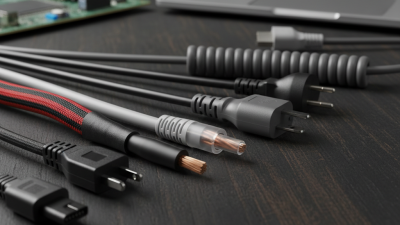
Cord wires are typically classified based on their insulation material, gauge, and usage. Common options include rubber, PVC, and silicone insulation. Rubber is known for its flexibility and durability. PVC is more affordable and commonly used in household applications. Silicone offers great heat resistance, making it suitable for high-temperature environments. Choosing between these materials requires assessing your specific needs.
Wire gauge is another critical factor. The gauge indicates the wire's thickness. Thicker wires carry more current but are also stiffer. It’s important to know the power requirements of your devices before making a choice. Sometimes, the right wire might not be the most flexible or the thickest. Reflect on your needs and the environment where the wire will be used. What works well in one scenario may not in another. Make the decision that aligns with your project's goals.
Identifying Your Specific Power and Voltage Requirements
When choosing the right cord wire, it is crucial to identify your specific power and voltage requirements. The voltage rating must match your equipment. Using the wrong wire can lead to inefficiencies. A common mistake is underestimating the power needs of devices. Always check the device specifications carefully.
Tip 1: Look at the amperage. Cords have different amperage ratings. Ensure the wire can handle the current your devices require. A wire that is too thin can overheat, posing safety risks.
Tip 2: Consider the environment. Will the cord wire be indoors or outdoors? Outdoor cords need more insulation. Understanding the environment helps in selecting durable materials. A wire that isn't suited for the surroundings may fail prematurely.
Evaluating your specific needs is vital. An unsuitable wire not only affects performance but can also lead to safety hazards. Think about the future too. Will you upgrade to more powerful devices? Planning ahead can save you time and money.
Top 10 Tips for Choosing the Right Cord Wire for Your Needs
| Tip Number |
Tip Description |
Power Requirement (Watts) |
Voltage Rating (Volts) |
| 1 |
Identify the total wattage of devices to be powered. |
500 |
120 |
| 2 |
Consider the length of the cord needed for placement. |
300 |
240 |
| 3 |
Evaluate the environment where the cord will be used. |
400 |
120 |
| 4 |
Select cord material based on flexibility and durability. |
250 |
120 |
| 5 |
Check the ampacity of the cord to ensure safety. |
600 |
240 |
| 6 |
Look for proper insulation type for heat resistance. |
350 |
120 |
| 7 |
Understand connector types for compatibility. |
450 |
120 |
| 8 |
Consider cord thickness for load handling. |
550 |
240 |
| 9 |
Look for cords with certifications for safety. |
700 |
120 |
| 10 |
Always check the warranty and return policy. |
600 |
240 |
Assessing the Durability and Flexibility of Cord Wire Materials
When selecting cord wire, durability and flexibility are key factors to consider. Materials like copper and aluminum commonly meet these needs. According to a report by the International Wire and Cable Manufacturers Association, copper wire shows superior tensile strength. This makes it ideal for high-stress applications. On the other hand, aluminum is lightweight, making it convenient for portable uses.
One tip is to examine the insulation materials. PVC offers decent durability but may not withstand extreme temperatures. In contrast, silicone-insulated wire can maintain flexibility in challenging conditions. Make sure to research the temperature ratings. Understanding these limits is crucial for optimal performance.
Flexibility is also tied to the wire's design. Multi-stranded wires often provide better flexibility than single-strand wires. This design allows the wire to bend without breaking. It's wise to check the wire's bend radius before purchasing. Some manufacturers provide helpful guidelines in their specifications. Always assess user reviews for real-world experiences. User feedback often reveals strengths and weaknesses not present in technical sheets.
Evaluating Safety Standards and Certifications for Cord Wire
When choosing cord wire, safety standards and certifications are paramount. The National Electrical Code (NEC) outlines essential guidelines for electrical installations, emphasizing compliance and safety. According to a report by the Electrical Safety Foundation International (ESFI), nearly 51,000 home electrical fires occur annually, often due to improper wiring. It highlights the need for robust safety measures, ensuring that cord wire meets these essential standards.
Certification from recognized organizations, such as Underwriters Laboratories (UL) or International Electrotechnical Commission (IEC), indicates that wire products have undergone rigorous tests. These certifications validate safety in various applications, from household use to industrial settings. Consumers should insist on cords that display such certifications. While the allure of cheaper, uncertified options may be tempting, these can come with significant risks, including fire hazards and electrical shock.
Understanding the specific characteristics of cord wire is vital. Different applications require different insulation types, voltage ratings, and durability levels. For instance, a cord designed for indoor use may not withstand outdoor conditions. Poorly selected cords can lead to failures, potentially endangering users. Inspecting for wear and damage is essential, even for certified products. Regular assessments can prevent accidents and promote safer usage. Stay informed about evolving safety standards to make the best choices for your needs.
Comparing Costs and Warranty Options for Cord Wire Selections
When selecting the right cord wire, understanding costs and warranty options is critical. Costs can vary significantly based on wire type and quality. Higher-quality wires often come with a steeper price tag. However, investing in better materials may lead to longer-lasting durability and safety. It’s essential to assess your specific needs before making a purchase.
Warranty options also play a crucial role. A good warranty can provide peace of mind. However, not all warranties are created equal. Some may cover only specific issues, while others offer comprehensive coverage. Always read the fine print. The warranty duration can indicate the manufacturer’s confidence in their product. A longer warranty typically reflects higher quality.
Consider the potential trade-offs. A cheaper wire may save money upfront, but could fail sooner. This might lead to more frequent replacements. In contrast, high-quality wires may be more expensive but can save money in the long run. Balancing cost and reliability is key. Research and evaluations can reveal hidden costs associated with poor quality. Every choice matters when it comes to cord wires.
Top 10 Tips for Choosing the Right Cord Wire