
-
- Products
- Indoor Household Cords
- Appliance Cords
- General Purpose Short-Length Cords
- General Purpose Extension Cords
- Landscape & Decorating Cords
- Bright Color Extension Cords
- Oil-Resistant Extension Cords
- Cold-Flex Extension Cords
- VividFlex Power Cords
- EXTREME All-Weather Cords
- Cord Management
- Task Lights
- Adapters & GFCI Devices
- Where to Buy
- About
- Careers
- Glossary
- Catalog


7 Tips for Choosing the Right Engine Mount Cushion
Choosing the right Engine Mount Cushion can determine whether a vehicle feels refined or constantly unsettled. This small component supports the engine, limits movement, and absorbs vibration before it reaches the cabin. The wrong cushion may cause clunking during acceleration, visible engine movement, or a harsh steering-wheel tremor. These symptoms often appear gradually, making diagnosis easy to postpone.
Dr. John C. Dixon, a recognized vehicle-dynamics author, explains the core principle this way: “A mount must control movement without transmitting unnecessary vibration.” That balance matters. A cushion that is too soft may allow excessive engine roll. One that is too stiff can send noise through the body structure. Material hardness, load rating, temperature resistance, and mounting geometry all deserve careful attention. Brand reputation helps, but it cannot replace correct specifications.
This guide presents seven practical tips for selecting an Engine Mount Cushion with greater confidence. It considers rubber and hydraulic designs, vehicle age, driving conditions, installation position, and warning signs from failed mounts. Look closely at the old part. Cracks, oil contamination, collapsed rubber, and uneven compression tell a useful story. Still, visual inspection alone can mislead. A cushion may appear acceptable while losing its damping performance internally. That is where many buyers make mistakes. There is no perfect universal choice. The best decision comes from matching the cushion to the engine, chassis, climate, and actual driving demands. One detail may be overlooked. That is why careful comparison remains worthwhile.
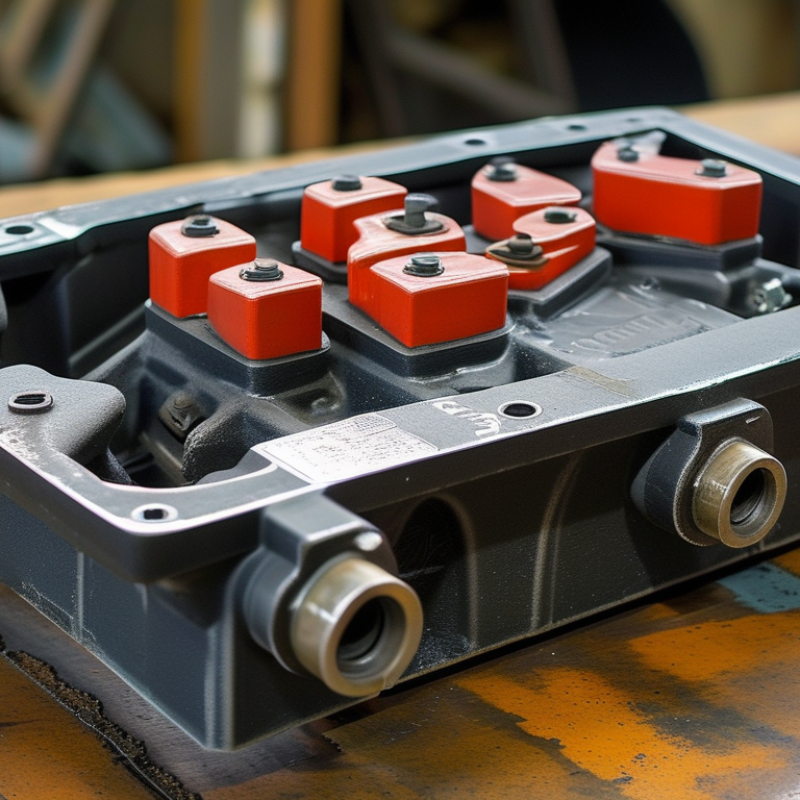
Table of Contents [Hide]
Identify the Engine Mount Cushion’s Role and Specifications
7 Tips for Choosing the Right Engine Mount Cushion
An engine mount cushion does more than hold the engine in place. It absorbs vibration, controls movement, and protects nearby components from repeated shocks. During inspection, look for cracked rubber, oil swelling, uneven compression, or metal contact. A cushion that feels soft may still be unsuitable for the engine’s actual load.
Tip 1:
Identify the engine’s weight, torque, mounting position, and operating environment. Then compare the cushion’s dimensions, bolt spacing, load capacity, hardness, and temperature range. Material matters. Rubber suits many standard conditions, while specialized elastomers may perform better near heat, oil, or heavy vibration. Check the installation angle too. A correct part can fail when fitted under constant side pressure.
Tip 2:
Do not choose by appearance alone. Measure the old cushion and confirm its compressed height, hole diameter, and clearance. I have seen mounts look identical but behave differently under load. That mistake is easy to make. Review technical data from a reliable supplier, and match the specification with the engine manufacturer’s service requirements. If vibration remains after replacement, inspect alignment and neighboring mounts before blaming the cushion. The diagnosis may be incomplete.