-
- Products
- Indoor Household Cords
- Appliance Cords
- General Purpose Short-Length Cords
- General Purpose Extension Cords
- Landscape & Decorating Cords
- Bright Color Extension Cords
- Oil-Resistant Extension Cords
- Cold-Flex Extension Cords
- VividFlex Power Cords
- EXTREME All-Weather Cords
- Cord Management
- Task Lights
- Adapters & GFCI Devices
- Where to Buy
- About
- Careers
- Glossary
- Catalog


What Are the Top 10 Screw Thread Types?
Choosing the right screw thread can determine whether a joint stays secure or loosens under vibration. In workshops, I have seen small thread mismatches cause stripped holes, uneven clamping, and wasted assembly time. The details matter.
This guide examines the top 10 Screw Thread types used in manufacturing, construction, automotive work, and maintenance. It explains their profiles, pitch, diameter, strength, and typical applications. Common examples include Metric, Unified National Coarse, Unified National Fine, Whitworth, Acme, and Pipe threads. Each design solves a different engineering problem. Some support fast assembly. Others improve load transfer, sealing, or adjustment.
Thread selection should follow reliable technical references, including ISO, ASME, and manufacturer specifications. A thread gauge, caliper, and clear lighting can prevent many identification errors. Still, real components are not always perfect. Wear, corrosion, paint, and previous repairs can hide the original form. That uncertainty deserves attention.
This overview is practical, but it is not a substitute for checking drawings or certified data. A familiar thread may appear correct and still fail because its pitch differs slightly. That mistake is easy to make. By comparing each type’s shape, measurement method, and working purpose, readers can make more confident decisions. The goal is not to memorize names. It is to understand why each thread exists, where it performs well, and when another option may be safer.
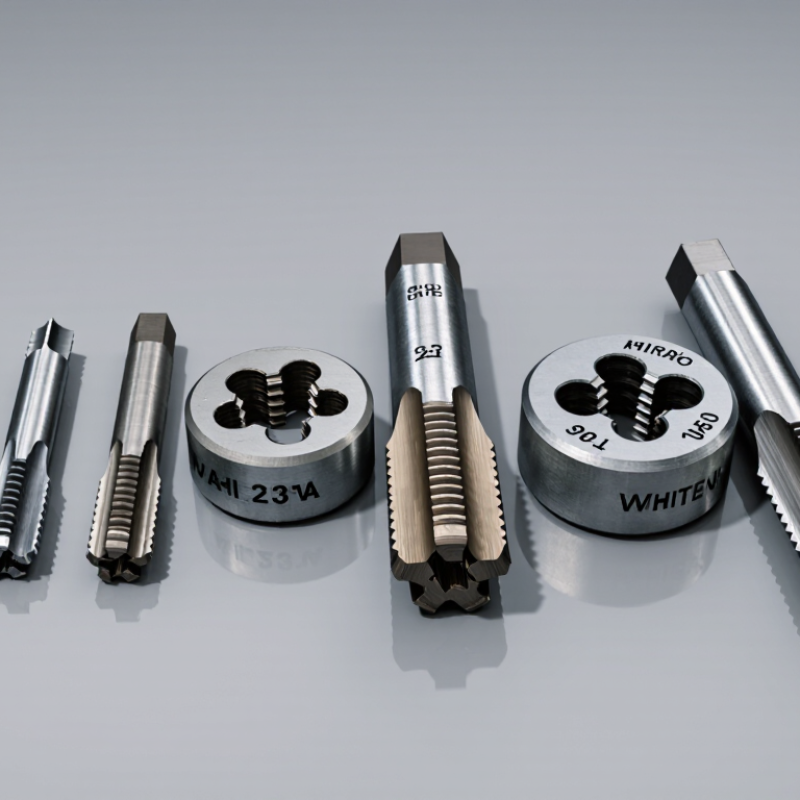
Table of Contents [Hide]
Understanding How Screw Threads Are Classified
What Are the Top 10 Screw Thread Types?
Understanding screw threads starts with classification, not memorization. Threads are identified by profile, pitch, diameter, direction, and intended use. The common ten include metric, unified, pipe, V, square, Acme, buttress, round, machine-screw, and self-tapping threads. However, these categories do not sit on one simple ladder. Metric and unified threads describe measurement systems, while V, square, and Acme describe the thread profile. That difference matters when selecting a replacement fastener.
A V-shaped profile is common for general fastening because its angled flanks create strong clamping action. Square threads transfer motion efficiently, making them suitable for lead screws. Acme threads offer a practical compromise between strength and easier manufacturing. Buttress threads resist force mainly in one direction. Round threads tolerate dirt and repeated handling. Pipe threads may be parallel or tapered, depending on whether sealing or mechanical connection is required. Machine-screw threads fit prepared holes, while self-tapping threads form their own mating path in softer materials.
In a workshop, I check diameter and pitch with calipers and a thread gauge. I also inspect the crest and root under bright light. Small damage can mislead identification. Direction matters too; most threads are right-hand, but not all. Classification can blur in real hardware, especially when a thread combines a metric size with a specialized profile. That is why a visual match alone remains unreliable.