Top Artificial Lift Technologies to Increase Oil Production?
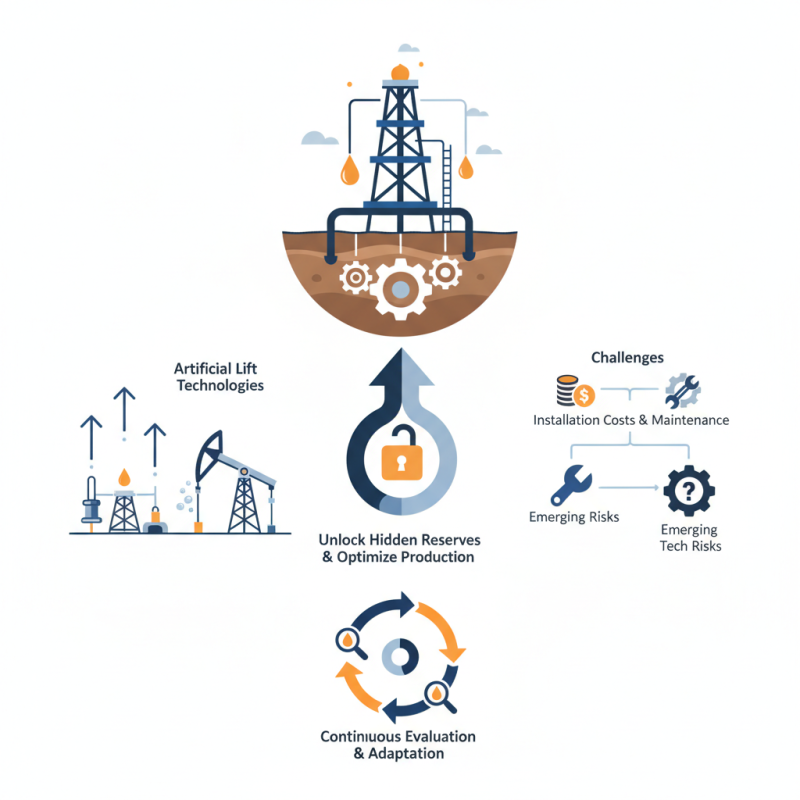
In the ever-evolving oil industry, Artificial Lift Technologies play a pivotal role in enhancing oil production. Dr. Sarah Thompson, an expert in reservoir engineering, once stated, "Effective artificial lift can unlock hidden reserves and optimize production efficiency." This highlights the importance of adopting advanced techniques to meet growing energy demands.
Artificial Lift Technologies encompass various systems, from pumps to gas lift methods. These technologies help extract oil that natural pressure cannot reach. However, the implementation of these systems is not without challenges. Factors such as installation costs and maintenance require careful consideration. Decisions must weigh both financial and operational impacts.
Moreover, while some technologies are well-established, others are still developing. Emerging technologies can sometimes fail to deliver promised results. Continuous evaluation and adaptation are crucial for success in this field. The quest for improved artificial lift solutions remains ongoing.
Overview of Artificial Lift Technologies in Oil Production
Artificial lift technologies play a crucial role in enhancing oil production. These systems help extract oil from reservoirs where natural pressure is insufficient. Different technologies serve various needs and conditions.
One popular method is gas lift. This involves injecting gas into the oil stream, reducing density and allowing easier flow. Another method, submersible pumps, are often used in deeper wells. They push oil to the surface effectively. In many cases, rod pumps come in handy. They use mechanical rods to lift fluids, being suitable for shallow wells.
Tips: Choose the right technology based on well depth and reservoir conditions. Test different methods before fully committing to a specific system. Evaluate the long-term impacts of each technology on production rates. Addressing inefficiencies can improve overall output significantly.
Top Artificial Lift Technologies to Increase Oil Production
| Technology | Description | Advantages | Common Applications |
| Mechanical Lift | Uses mechanical devices such as rod pumps to extract oil. | Reliable, well-established technology with low operational costs. | Onshore wells, shallow to moderate depth. |
| Electric Submersible Pump (ESP) | Submersible pumps that lift oil from deep wells. | High efficiency, capable of handling high flow rates. | Deep wells, offshore platforms. |
| Gas Lift | Uses gas injected into the well to reduce fluid density. | Effective for high viscosity oils and can operate at various depths. | High-viscosity oil fields, offshore wells. |
| Progressing Cavity Pump (PCP) | Positive displacement pump using a helical rotor. | Handles viscous fluids and provides a constant flow rate. | Heavy oil production, geothermal wells. |
| Plunger Lift | Uses a plunger to lift fluid from the well. | Cost-effective and simple to operate for low-volume production. | Gas wells, low-production zones. |
Types of Artificial Lift: Rod Pumping, Gas Lift, and ESP Systems
Artificial lift is crucial for optimizing oil production. Among the most common technologies are rod pumping, gas lift, and electrical submersible pumps (ESP). Each method has unique advantages and potential drawbacks.
Rod pumping employs a surface unit to drive a rod string into the well. This method is cost-effective and widely used for shallow wells. However, it may struggle with wells that have high fluid levels.
Gas lift systems use injected gas to reduce fluid density, allowing production to continue from deeper wells. The challenge lies in varying gas availability and maintaining an effective lift ratio.
ESP systems offer powerful solutions for high-volume production. They are ideal for deep wells with low reservoir pressure. Yet, they require significant upfront investment and regular maintenance. Each method carries risks and benefits. Assessing the well's specific conditions is essential. The choice of artificial lift should align with production goals and challenges, making it a continual learning process.
Market Trends: Global Deployment of Artificial Lift Solutions
The demand for artificial lift solutions in the oil industry is steadily increasing. Many operators are now focusing on enhancing production through innovative technologies. This shift is driven by a need for efficiency and cost-effectiveness. Artificial Lift Systems, such as beam pumps and gas lifts, offer diverse options tailored to different environments.
Emerging trends show a global deployment of these technologies, particularly in unconventional fields. Operators are exploring new methods to optimize production rates. The integration of data analytics plays a crucial role in refining these strategies. However, the challenges of implementing these technologies remain significant. Inconsistent performance and maintenance issues often hinder progress.
Data reveals mixed results in production enhancement. Some regions experience significant gains, while others face obstacles. It’s clear that while artificial lift technologies can boost output, they are not a panacea. Continuous evaluation and adaptation are essential. As the market evolves, stakeholders must remain vigilant about these challenges. The landscape of artificial lift is constantly changing, and so must the approaches to harness its full potential.
Performance Metrics: Efficiency and Output Gain from Artificial Lift
Artificial lift technologies play a crucial role in enhancing oil production. Various methods exist, each with its specific efficiency metrics and output gains. For instance, electric submersible pumps (ESPs) often provide an output uplift of 50% to 400%. However, these systems can be hindered by issues such as pump wear and high maintenance costs.
Rod lift systems are another common approach. They can improve production rates by up to 30%, making them a viable option in many oilfields. Yet, they face challenges like inefficient fluid handling and reduced reliability in high-viscosity environments. In a recent report, it was noted that the failure rate for rod pumps averages around 20% annually, raising concerns about long-term usage.
Gas lift systems can effectively enhance oil extraction, especially in under-pressured wells. Research indicates that gas lift can yield a 30% increase in output. However, controlling gas injection rates is crucial for success. Inconsistent performance may lead to less than optimal production. Many operators find balancing these metrics to be a continuous challenge. This underscores the importance of using proper performance monitoring strategies to drive optimal efficiency.
Case Studies: Successful Implementations of Artificial Lift Technologies
In recent years, many companies have explored artificial lift technologies to boost oil production. These technologies address the challenges posed by declining reservoir pressures. One notable case involved a field that faced significant production drop-offs. The installation of an efficient pump system helped reverse this trend, increasing output by 30% within months.
Another successful implementation occurred in a challenging offshore site. By using gas lift technology, operators could maintain production levels despite turbulent conditions. The gas lift system allowed the extraction of oil without extensive modifications to the existing infrastructure. However, initial costs were a concern, and some questioned the long-term viability of the investment.
While these technologies present actionable solutions, not all implementations yield positive results. Sometimes, the complexities of well conditions can lead to unexpected complications. Operators have reported the need for ongoing adjustments. Each case teaches valuable lessons about the need for adaptability and a deeper understanding of reservoir dynamics. Embracing these reflections can enhance future deployments of artificial lift technologies.