Top Extension Cord Wire Types and Their Best Uses?
Extension cords are ubiquitous in modern households and workplaces. They provide convenience and flexibility for electrical needs. However, the variety of extension cord wire types can be overwhelming. According to a 2020 report from the National Fire Protection Association, improper use of extension cords causes thousands of fires each year. Understanding the right extension cord wire is crucial.
The type of wire affects safety and performance. For instance, a thicker gauge wire allows more electricity to flow. This is essential for high-power tools. An extension cord with a low gauge is often more durable than thinner alternatives. A 2021 study from Electrical Safety Foundation International highlighted that using the wrong wire can lead to overheating and fire hazards.
Users often overlook these details. Not all extension cords are created equal. Many will risk using a lighter cord for heavy appliances. This can be disastrous. The right extension cord wire not only ensures functionality but also supports users in creating safer environments. Making informed choices is essential for both safety and efficiency.
Understanding Extension Cord Wire Types and Their Applications
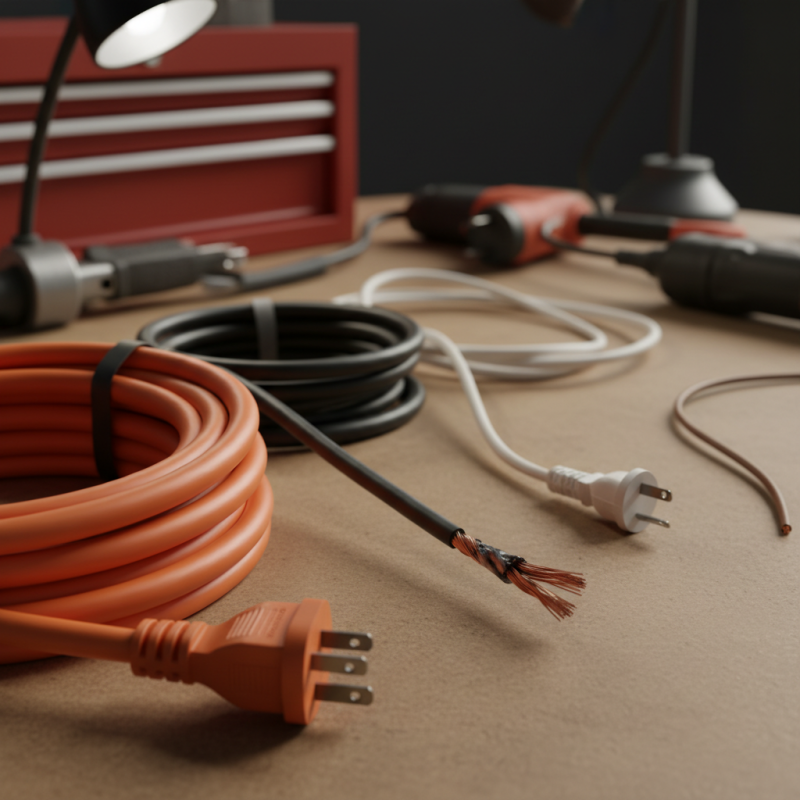
Extension cords come in various wire types, each suited for specific uses. A common choice is the SJT type, which is suitable for indoor applications. Its rating usually supports lighter devices, like lamps and chargers. However, mishandling can lead to overheating, especially with high-wattage appliances.
For outdoor projects, the SJTW type is the go-to option. This wire type has a hefty insulation layer, making it resistant to water and UV rays. It's ideal for power tools and landscape lighting. Yet, it’s important to remember that not all SJTW cords are rated for extended use. Using them improperly can result in wear and tear more quickly than expected.
Another wire type is the STOW, designed for extreme conditions. It handles high temperatures and adverse weather effectively. According to a recent industry report, nearly 40% of extension cord failures stem from using the wrong type for the job. Choosing the right wire isn't just about convenience; it directly impacts safety and efficiency. Misjudging this can lead to costly mistakes.
AWG Ratings and Their Impact on Current Carrying Capacity
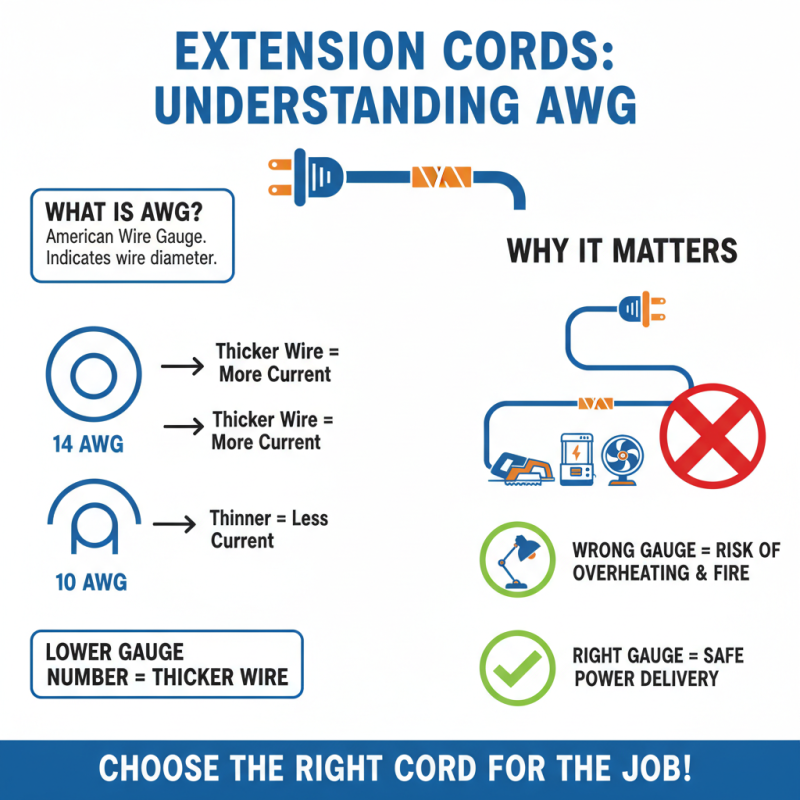
Understanding AWG ratings is crucial for choosing the right extension cord. AWG stands for American Wire Gauge. The gauge number indicates the diameter of the wire. A lower number means a thicker wire, which can carry more current.
For example, a 10 AWG wire can handle 30 amps, making it suitable for heavy-duty tools. In contrast, a 16 AWG wire typically supports only 10 amps. This difference affects the usability of each wire type. If you use the wrong gauge, it might overheat and risk fire hazards.
It's important to reflect on your needs. Do you often use high-wattage devices? A thicker wire is essential. For light-duty tasks, a thinner wire may be sufficient. However, overconfidence can lead to poor choices. Always consider the requirements for safety and efficiency. The right AWG rating impacts performance significantly.
Heavy-Duty vs. Lightweight: Choosing the Right Extension Cord for Your Needs
When selecting an extension cord, understanding the difference between heavy-duty and lightweight options is crucial. Heavy-duty cords typically have thicker wire gauges, such as 10 or 12 AWG. They can handle high wattage, making them ideal for power tools and appliances. A report by the National Electrical Manufacturers Association (NEMA) indicates that using a heavy-duty cord can reduce the risk of overheating and electrical fires, especially in outdoor or industrial settings.
Lightweight extension cords, usually 16 AWG or 18 AWG, are suited for low-power devices. They are flexible and easier to store, perfect for indoor use like lamps or phone chargers. However, relying solely on lightweight cords for high-demand appliances can lead to tripped circuits or damage. According to the Electrical Safety Foundation International (ESFI), nearly 30% of home fires involve electrical cords. Choosing the wrong type can have serious consequences.
While heavier cords can handle demanding tasks, they are less mobile. Similarly, lightweight cords lack the durability needed for heavy loads. It’s not always easy to find the right balance. Consider your specific needs before making a choice. A well-informed decision can prevent mishaps in the future.
Top Extension Cord Wire Types and Their Best Uses
| Wire Type |
Usage |
Amp Rating |
Best For |
| Lightweight |
General indoor use |
15 Amps |
Laptops, Phone Chargers |
| Medium Duty |
Light outdoor use |
16 Amps |
Power Tools, Garden Equipment |
| Heavy-Duty |
Heavy outdoor use |
20 Amps |
Air Compressors, Heaters |
| Ultra-Heavy Duty |
Industrial applications |
30 Amps |
Construction Sites, Generators |
Common Insulation Materials and Their Resistance to Environmental Factors
When it comes to extension cords, the insulation material plays a crucial role in their performance. Various insulation types offer different levels of protection against environmental factors. For example, PVC insulation is quite common. It’s resistant to moisture and wear, making it ideal for indoor use. However, it can become brittle in extreme temperatures. This drawback can lead to potential hazards if not addressed.
Another popular option is rubber insulation. This material is flexible and can withstand harsh conditions. It performs well in both hot and cold environments, but it may not last as long as PVC under heavy use. Users should weigh the benefits against the potential drawbacks. In some cases, rubber may degrade faster along certain edges.
Thermoplastic elastomer (TPE) is also gaining attention. It offers good resistance to chemicals and UV rays. However, TPE is often more expensive and can be harder to find. Choosing the right insulation should consider both the environment and the intended use. Reflecting on these choices helps ensure safety and longevity in a variety of conditions.
Top Extension Cord Wire Types and Their Best Uses
Safety Standards and Regulations for Extension Cord Use in Various Settings
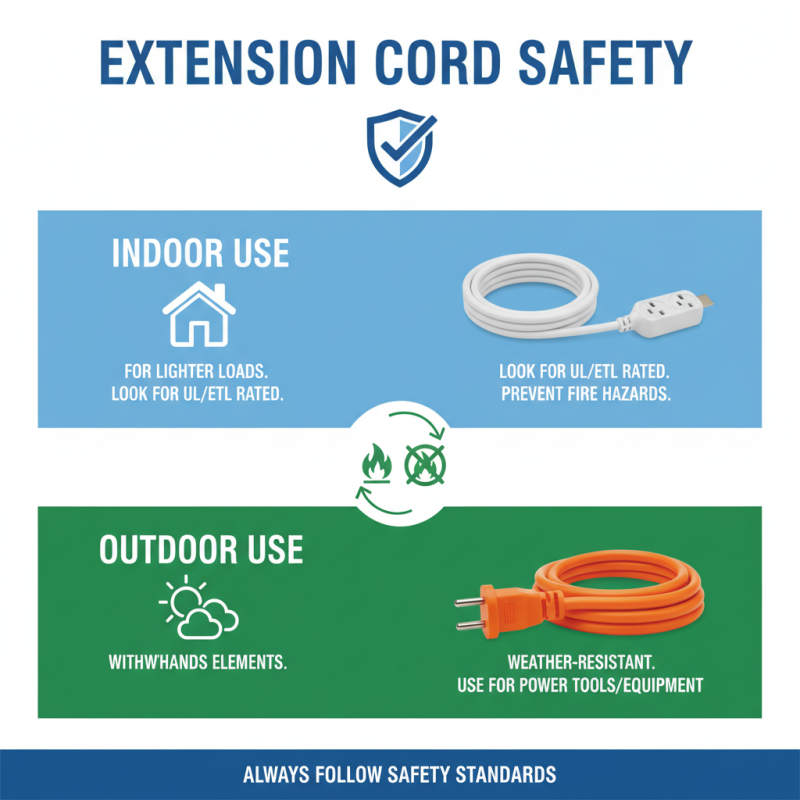
When using extension cords, safety is crucial. They must meet safety standards to prevent hazards. In homes, look for cords rated for indoor use. These are meant for lighter loads. However, for outdoor needs, choose weather-resistant cords. They can withstand the elements.
Different settings require specific types of cords. Construction sites demand heavy-duty cords. These can handle high power tools. Yet, many overlook proper usage guidelines. Adding too many devices can overload the circuit. Always check the wattage limits. Securely cover exposed outlets to reduce risks.
Training on safe practices can minimize accidents. Many users don’t realize the dangers of frayed wires. Regular inspections are essential. Cords may seem fine at first glance, but hidden damage can occur. It's easy to ignore these details, but they matter greatly. Ensure the proper grounding is in place. Awareness and education help everyone stay safe while using extension cords.