
-
- Products
- Indoor Household Cords
- Appliance Cords
- General Purpose Short-Length Cords
- General Purpose Extension Cords
- Landscape & Decorating Cords
- Bright Color Extension Cords
- Oil-Resistant Extension Cords
- Cold-Flex Extension Cords
- VividFlex Power Cords
- EXTREME All-Weather Cords
- Cord Management
- Task Lights
- Adapters & GFCI Devices
- Where to Buy
- About
- Careers
- Glossary
- Catalog


Top Level 3 EV Charger Manufacturers in China
China’s electric-vehicle charging industry has grown quickly, and its manufacturers now serve markets around the world. Yet choosing a Level 3 Ev Charger supplier takes more than comparing maximum power ratings. Buyers need to examine real-world uptime, connector options, thermal management, software, and after-sales support. A charger may look impressive in a specification sheet. The test comes when vehicles arrive back-to-back on a hot afternoon.
IEA Executive Director Fatih Birol has said, “The world is at a pivotal moment in the transition to clean energy.” That transition depends on charging infrastructure drivers can trust. This guide introduces leading Chinese manufacturers, including companies known for charging networks, power electronics, and high-speed charging systems. It considers what each brings to the market, while distinguishing proven capabilities from claims that deserve closer checking. Names and rankings can shift as products, service coverage, and regional requirements change.
Power is only part of the story. A dependable unit must manage heat, communicate clearly with vehicles, and recover gracefully from faults. Buyers should also ask about field references, spare-parts access, software updates, and local technical support. Those details are less exciting than a headline kilowatt figure, but they matter at the charging site. No manufacturer is perfect, and a strong factory reputation does not guarantee equally strong service everywhere. The following overview offers a practical starting point—not a substitute for testing equipment against a project’s actual operating conditions.
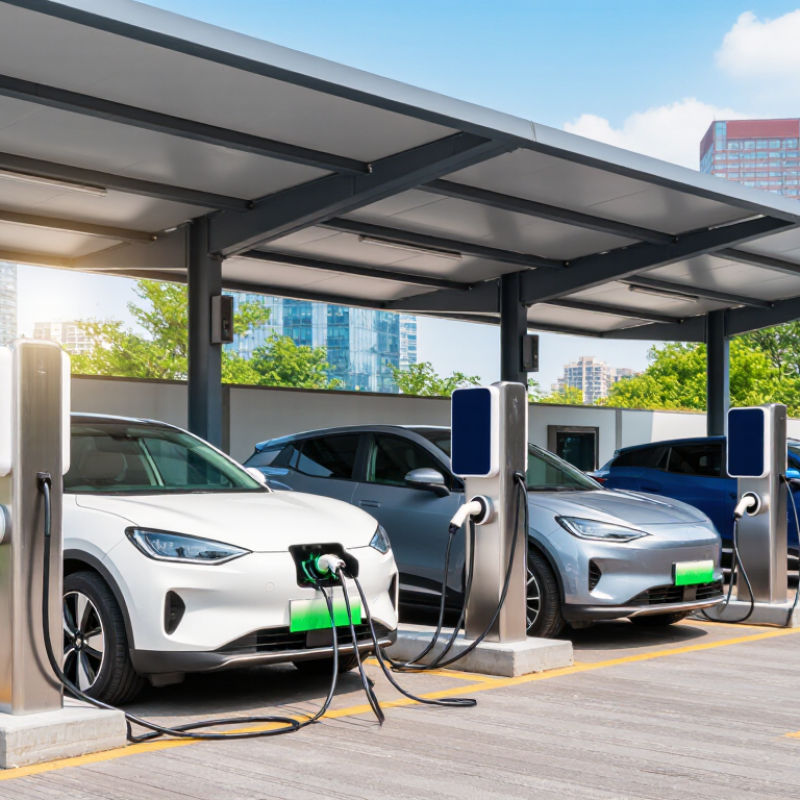
Table of Contents [Hide]
What Level 3 EV Charging Means in the Chinese Market
Top Level 3 EV Charger Manufacturers in China
What Level 3 EV Charging Means in the Chinese Market
“Level 3” usually describes DC fast charging in North American terminology. In China, buyers more often discuss DC charging power, connector compatibility, and compliance with applicable GB/T standards. The terms are not perfectly interchangeable. A charger converts grid electricity outside the vehicle, allowing direct battery charging. Actual speed depends on the vehicle, battery temperature, state of charge, and available site power. A 120 kW unit cannot make every car accept 120 kW.
Tips: Check the vehicle’s charging interface and maximum DC input. Ask for tested output across different battery levels, not just peak power. Confirm that installation capacity matches the charger’s rating.
For Chinese-market equipment, compare temperature management, electrical protection, software monitoring, and service coverage. A display showing kilowatts is useful, but it does not prove stable performance during a hot afternoon or a busy charging session. Site operators should also consider cable reach, maintenance access, and queue patterns. The label can still mislead. “Level 3” is a convenient shorthand, not a complete technical specification. Good selection starts with the vehicle fleet and the site’s actual electrical conditions.