2025 Top Types of Appliance Cords: Essential Guide and Tips
Understanding appliance cords is crucial in today's homes. These cords connect our essential devices to power, ensuring they operate safely and efficiently. Many people overlook their importance, yet the right cord can make a significant difference in the performance of an appliance.
Not all appliance cords are created equal. Choosing the proper type involves considering the appliance's power requirements. Some cords are designed for heavy-duty use, while others suit lighter applications. It's easy to assume one size fits all, but that can lead to disappointing outcomes. A mismatched cord may not provide sufficient power or could even pose a safety risk.
As you navigate the various options available, reflect on your specific needs. Are you using the cord for indoor or outdoor appliances? Does the length of the cord meet your space requirements? Being mindful of these details can help you make informed choices. Appliance cords may seem trivial, but they are fundamental to our daily lives.
Understanding Appliance Cord Types: A Comprehensive Overview
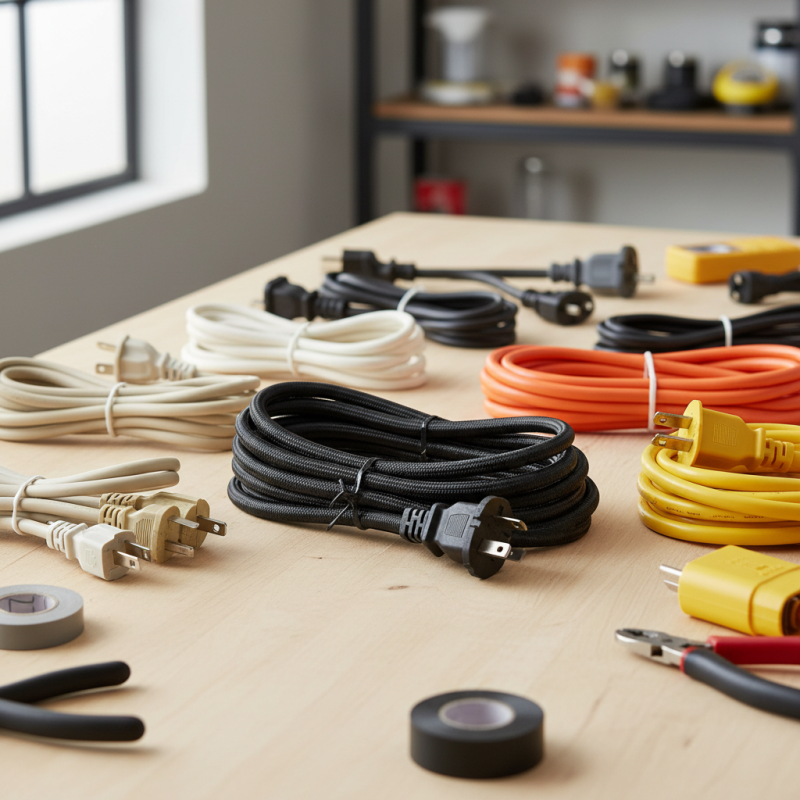
Understanding the various types of appliance cords is crucial for safety and efficiency in your home. The global appliance cord market is projected to reach $8 billion by 2025, reflecting the increasing demand for reliable and safe electrical connections. Key types of cords include flexible flat cords, SJT cords, and extension cords, each serving different functions in domestic appliances.
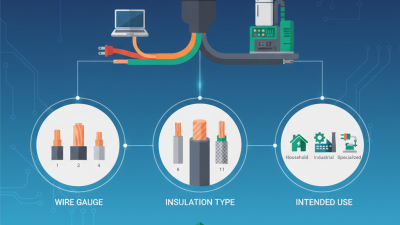
Flexible flat cords are often used for devices requiring minimal space like kitchen appliances. They are designed for increased flexibility yet often lack durability under heavy use. SJT cords, on the other hand, are more robust and suitable for heavier appliances. However, they can be cumbersome and take up more space. The challenge lies in selecting the right cord for your needs without compromising on safety. Often, buyers overlook the importance of gauge size, which affects current carrying capacity.
Research suggests that improper cord selection leads to nearly 10,000 home fires annually. Such statistics emphasize the need to understand cord specifications. Are you aware of your appliance's power requirements? This simple question can prevent serious hazards. Ignoring this can lead to overheating, which many might not notice until it's too late. Proper education on appliance cords can ultimately enhance safety and efficiency in our daily lives.
Key Specifications for Selecting Appliance Cords: What to Know
When selecting appliance cords, understanding key specifications is crucial. Proper cord selection guarantees safety and efficiency in daily use. According to industry reports, poorly chosen cords can lead to energy losses up to 10 percent. This means potential higher costs and risks.
Cord length is a vital factor. Standard lengths range from 1 to 6 feet. Longer cords provide flexibility but often lose energy through resistance. You might want to consider your appliance placement. Additionally, check the amp rating. It must match your appliance’s needs. Using an under-rated cord can be dangerous.
Material is another essential specification. Many cords use rubber or PVC. Rubber offers better flexibility and durability, while PVC is more affordable but can crack. Reports indicate that 20% of appliance failures tie back to faulty cords. This is an area worth scrutinizing. Investing a bit more may save you from future headaches. Remember, the right cord is an ongoing responsibility.
Safety Standards and Regulations for Appliance Cords in 2025
In 2025, safety standards for appliance cords have evolved significantly. The National Electrical Code (NEC) has implemented stricter regulations aimed at reducing fire hazards. According to the Electrical Safety Foundation International, over 30,000 fires are caused by faulty electrical appliances each year. This statistic emphasizes the importance of compliance with safety standards.
The updated regulations focus on cord materials and construction. For instance, cords must now be made from heat-resistant materials. This change helps prevent melting and short-circuiting. Moreover, manufacturers are required to label cords with clear voltage ratings. This clarity helps consumers avoid improper usage.
There are challenges with these regulations. Some manufacturers still cut corners, leading to potential safety hazards. In a recent report, nearly 15% of examined household cords failed basic safety tests. This statistic underlines the need for consumer awareness. Understanding labels and opting for certified products is crucial. With the growing number of appliances, staying informed about safety standards is a collective responsibility.
Tips for Proper Installation and Maintenance of Appliance Cords
Appliance cords play a vital role in the safety and efficiency of your home devices. Proper installation is essential. Always check the cord for damage before plugging it in. A frayed or cracked cord can lead to serious hazards. Keep appliance areas clean and free of clutter. This ensures the cords can function properly without obstruction or strain.
Regular maintenance is equally important. Inspect cords periodically for wear and tear. Look for signs like discoloration or exposed wires. If you notice any issues, replace them immediately. Use the correct gauge when selecting cords. Using an incompatible size can affect performance and safety.
Secure cords with clips or covers to avoid tripping hazards. Many people overlook this simple step. Additionally, avoid running cords under rugs or furniture. This can cause overheating and pose risks. Sometimes, we don't realize the small things matter most. Make a habit of checking appliance cords regularly to keep your home safe and efficient.
Future Trends: Innovations in Appliance Cord Technology and Design
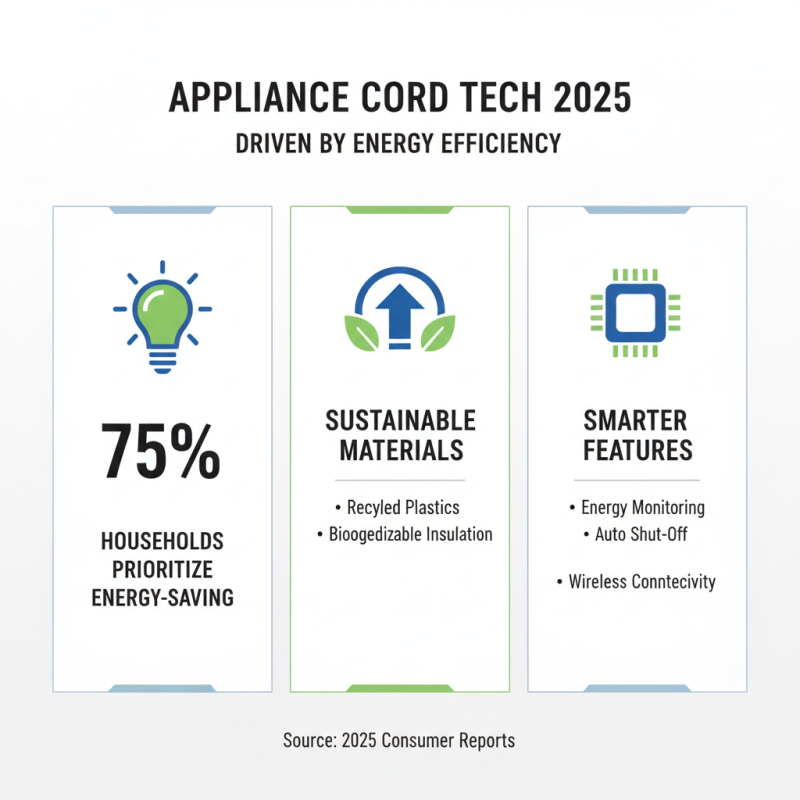
In 2025, the landscape of appliance cord technology is set to undergo significant transformation. Recent reports indicate that consumer demand for energy efficiency is driving innovation. An astounding 75% of households are now prioritizing energy-efficient appliances. This trend is influencing how appliance cords are designed, focusing more on sustainable materials and smarter features.
Emerging designs will likely include features like retractable cords and integrated smart technology. These innovations could lead to reduced clutter in kitchens and living spaces. As more people embrace minimalism, companies need to rethink their cord designs. Many consumers find traditional cords bulky and outdated.
Tips for consumers include being mindful of cord length. Assess your appliance's placement and choose cords that prevent excessive slack. Consider appliances with cords that detach easily, which can help with both storage and safety. Additionally, look for cords made from durable materials. They last longer and ensure safety. In 2025, the evolution of appliance cords will not just meet needs but also align with lifestyle choices.