
-
- Products
- Indoor Household Cords
- Appliance Cords
- General Purpose Short-Length Cords
- General Purpose Extension Cords
- Landscape & Decorating Cords
- Bright Color Extension Cords
- Oil-Resistant Extension Cords
- Cold-Flex Extension Cords
- VividFlex Power Cords
- EXTREME All-Weather Cords
- Cord Management
- Task Lights
- Adapters & GFCI Devices
- Where to Buy
- About
- Careers
- Glossary
- Catalog


What Are the Top Wear Plate Suppliers in China?
China remains a major sourcing base for Wear Plate because of its enormous steelmaking capacity and broad fabrication network. The World Steel Association reported that China produced approximately 1.005 billion tonnes of crude steel in 2024. This scale supports large production volumes, flexible thickness ranges, and competitive export pricing. However, volume alone does not prove quality.
Market studies from Grand View Research and ResearchAndMarkets identify construction, mining, cement, recycling, and material handling as important demand sectors for wear-resistant steel. Their forecasts also suggest continued growth, although estimates differ by scope and methodology. That difference deserves attention. A supplier ranking should not rely on market size alone.
Tribology expert Professor Kenneth C. Ludema stated, “Wear is not a material property.” His warning is highly relevant. Plate performance depends on hardness, toughness, impact energy, abrasion type, welding practice, and operating temperature. A quarry bucket facing sharp rock needs a different solution from a coal chute handling sliding particles.
This article examines leading Chinese suppliers, including Baosteel, Wuyang Iron and Steel, Ansteel, TISCO, and specialist wear-plate manufacturers. It compares grade availability, chemical consistency, heat-treatment control, certification, delivery capability, and technical support. Mill certificates matter. So do independent test results.
Buyers should review standards such as ASTM, EN, and ISO requirements before comparing quotations. The lowest price can become expensive after premature cracking, distortion, or unplanned replacement. No supplier wins every application. The strongest choice is the one that matches the plate to the actual wear mechanism.
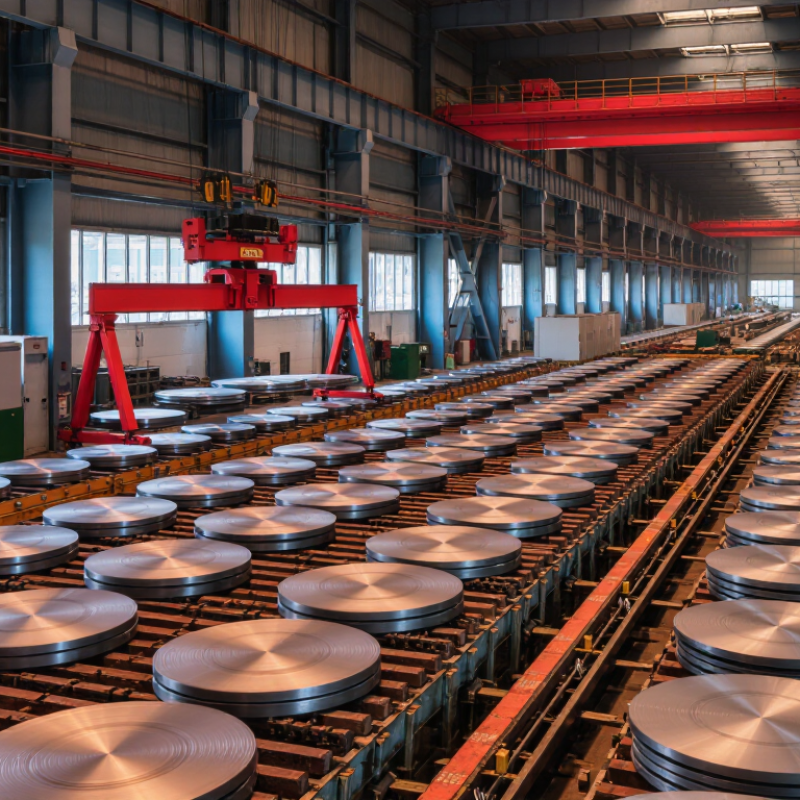
Table of Contents [Hide]
What Is a Wear Plate and Why Is It Important?
What Are the Top Wear Plate Suppliers in China?
What Is a Wear Plate and Why Is It Important?
A wear plate is a steel plate designed to resist abrasion, impact, or sliding friction. It protects machinery surfaces that face constant material loss. In a quarry, crushed stone can strike a loader bucket like repeated hammer blows. In a recycling plant, sharp scrap can scrape chutes for hours. Ordinary steel may thin quickly under these conditions.
Wear plates usually combine a tough base with a harder working surface. Hardness improves abrasion resistance, while toughness helps prevent cracking during impact. The correct grade depends on material size, impact energy, temperature, and operating speed. Hardness alone is not enough. No plate fits every application. That point is easy to overlook.
Tips: Ask suppliers for hardness test results, chemical data, and production traceability. Check plate thickness at several points, not only at the edge. Confirm welding and cutting guidance before installation. A dependable Chinese supplier should explain testing methods, tolerances, delivery protection, and after-sales support clearly. Site measurements also matter. A plate that looks suitable on paper may fail when moisture, heat, or unexpected impact changes the working conditions. Measure twice. Also, review actual service life instead of trusting attractive claims. Supplier evaluation should include technical communication, inspection records, export experience, and consistent quality across multiple orders.