What Are the Top Wire Cord Types for Global Buyers?

For global buyers, wire cords are not simple accessories. They are safety-critical links between equipment, users, and electrical systems. A cord may look ordinary on a warehouse shelf, yet its copper gauge, insulation, plug design, strain relief, and temperature rating determine real performance.

Market evidence shows why careful selection matters. Grand View Research valued the global wire and cable market at approximately USD 216 billion in 2022, with continued growth expected through 2030. MarketsandMarkets also identifies construction, renewable energy, data centers, and industrial automation as major demand areas. These sectors require different cord types, from flexible PVC power cords to rubber-insulated cords for harsh environments. The numbers are useful. They are not the whole answer.

John Drengenberg, a former Consumer Safety Director at UL, emphasized a practical principle: “Safety starts with the smallest detail.” For buyers, that detail could be a loose terminal, an undersized conductor, or missing certification markings. IEC 60227 and IEC 60245 provide important references for insulated flexible cables, while regional approvals such as UL, VDE, CCC, and UKCA may affect market access. Still, certification alone does not guarantee suitability. I have seen specifications that matched a catalog but failed under heat, bending, or repeated movement. That gap deserves attention. This guide compares the top wire cords for global buyers, considering voltage, flexibility, environment, connector standards, testing evidence, and supplier consistency. The strongest choice is rarely the cheapest one. It is the cord that performs reliably after shipping, installation, and months of use.
What Are the Top Wire Cord Types for Global Buyers?

Wire Cord Basics: Structure, Materials, and Performance

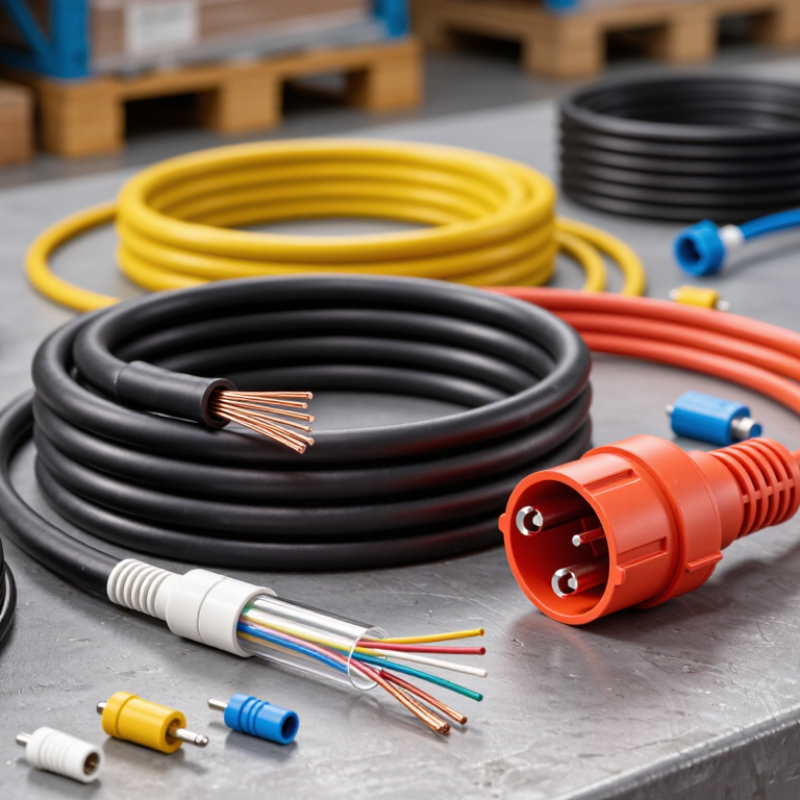
Wire cord is a flexible conductor built from metal strands, insulation, and an outer jacket. Its performance depends on how these layers work together. Copper offers excellent conductivity and easy bending. Aluminum weighs less, but it usually needs a larger cross-section for similar electrical performance.

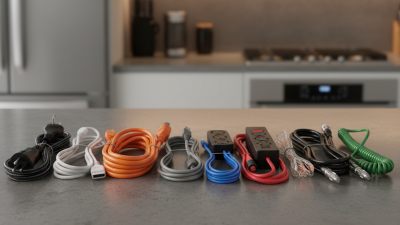
Common cord types include stranded copper, braided cord, shielded cord, and flat parallel cord. Stranded construction bends repeatedly without breaking easily. Braided designs add mechanical strength and resist twisting. Shielded cord uses a conductive layer to reduce electromagnetic interference near motors or control equipment. Flat cord saves space in compact assemblies.

Material selection should match the working environment. PVC handles many indoor applications and remains cost-effective. Rubber jackets tolerate movement, abrasion, and temperature changes more effectively. Thermoplastic elastomers can provide a softer touch and good flexibility. However, no material performs best everywhere. I have seen buyers focus on conductor size while overlooking jacket aging.

Check voltage, current, bend radius, temperature, moisture, and pulling force before comparing suppliers. A thicker cord is not automatically safer. Excess stiffness can damage connectors during repeated movement. Testing should include insulation resistance, flex cycling, dimensional checks, and visual inspection. Request clear test records and traceable material information. Small details matter.

Common Wire Cord Types Used in Global Applications

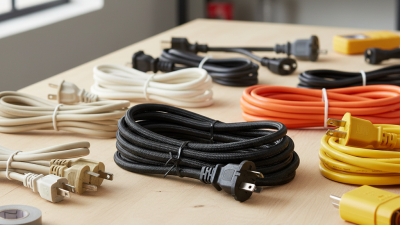
Global buyers commonly choose PVC, rubber, silicone, or thermoplastic-elastomer cords. Each type serves a different operating environment. PVC cords are economical and suitable for indoor appliances, control panels, and light-duty tools. Rubber cords tolerate repeated bending, oil exposure, and rougher industrial handling. Silicone cords remain flexible across wide temperature ranges, making them useful near ovens, lighting systems, and laboratory equipment.

Market data supports this broad demand. IMARC Group reported that the global wire and cable market reached about USD 238.3 billion in 2023. It also projects growth to approximately USD 379.7 billion by 2032. This figure covers more than flexible cords, but it reflects expanding electrical infrastructure and equipment connectivity. Grand View Research also identifies flexibility, heat resistance, and application safety as important cable selection factors.

Type alone is not enough. Buyers should check conductor size, insulation thickness, bending cycles, voltage rating, and connector compatibility. IEC 60227 generally covers PVC-insulated flexible cables, while IEC 60245 addresses rubber-insulated cable categories. Outdoor machinery may need a tougher jacket and water resistance. Silicone can handle heat well, but it may resist abrasion less effectively than heavy-duty rubber. A practical warning: published temperature ratings can differ by construction. Small details matter. A cord that works perfectly beside a warm motor may fail quickly under constant dragging. Even experienced purchasing teams sometimes overlook installation movement. That mistake deserves review before bulk orders.

What Are the Top Wire Cord Types for Global Buyers? - Common Wire Cord Types Used in Global Applications
Wire Cord Type Typical Construction Common Rated Voltage Range Key Characteristics Typical Global Applications Common Standards or Approval Areas Buyer Considerations
PVC-Insulated Flexible Cord Stranded copper conductors with PVC insulation and a PVC outer sheath, or PVC insulation without a separate sheath for lighter-duty versions. Usually 300/300 V or 300/500 V, depending on construction and regional specification. Cost-effective Lightweight Good moisture resistance Easy processing Household appliances, lamps, office equipment, small tools, consumer electronics, and general indoor wiring. IEC-based flexible-cord requirements, national appliance-cord rules, and regional safety-marking requirements. Check conductor cross-sectional area, temperature rating, flame performance, flexibility, plug compatibility, and required national approval.
Rubber-Insulated Flexible Cord Fine-stranded copper conductors with elastomeric insulation and an elastomeric outer sheath. Commonly 300/500 V, 450/750 V, or higher for selected heavy-duty constructions. High flexibility Impact resistance Good low-temperature performance Suitable for rough service Construction equipment, industrial machinery, stage equipment, outdoor tools, portable generators, workshops, and temporary power distribution. IEC flexible-cable specifications and national heavy-duty cable requirements; exact approval depends on the destination market. Verify oil resistance, abrasion resistance, outdoor suitability, minimum bending radius, conductor class, and service temperature.
Thermoplastic Elastomer Cord Stranded copper conductors covered with thermoplastic elastomer insulation and a flexible outer jacket. Often 300/300 V or 300/500 V; the exact value depends on the insulation system. Soft touch Flexible Good weather resistance Halogen-free options available Handheld devices, medical equipment, household products, portable lighting, office equipment, and applications requiring repeated movement. Regional appliance-cord, low-voltage cable, flame, and material-safety requirements. Confirm resistance to oils, chemicals, UV exposure, heat, cold, and repeated flexing; material formulations vary substantially.
Flat Parallel Cord Two or more insulated conductors arranged side by side in a flat profile, generally with a PVC or elastomeric insulation system. Commonly 300 V or below for light-duty versions. Compact profile Easy routing Low material usage Simple termination Table lamps, decorative lighting, small appliances, speakers, low-power equipment, and space-constrained indoor installations. National appliance-cord and low-voltage wiring requirements; regional requirements differ. Not generally intended for heavy mechanical stress, permanent outdoor use, high-power loads, or locations requiring a protective earth conductor.
Braided Textile-Covered Cord Insulated electrical conductors protected by a woven textile braid, sometimes combined with an inner PVC or elastomeric layer. Typically low-voltage appliance or lighting ratings, commonly up to 300 V depending on construction. Decorative appearance Flexible handling Improved surface protection Decorative lighting, hospitality interiors, furniture lighting, retail fixtures, restoration projects, and visible indoor installations. Applicable appliance-cord, flammability, electrical safety, and material-content requirements in the target market. Evaluate braid abrasion, colorfastness, flame behavior, cleaning exposure, strain relief, and whether the textile is only decorative or electrically protective.
Shielded Control or Signal Cord One or more insulated conductors surrounded by foil, braid, or combined shielding, usually with a drain wire and an outer jacket. Often 300 V or 300/500 V for control and instrumentation constructions. Electromagnetic-noise reduction Signal integrity Multiple conductor options Industrial automation, sensors, machine controls, data-acquisition equipment, audio systems, test equipment, and control panels. IEC, national industrial-cable, EMC, and machinery-wiring requirements, depending on the end use. Specify shield coverage, grounding method, pair twisting, impedance where relevant, flex-life requirement, and separation from high-power cables.
Coiled Cord Flexible insulated conductors formed into a helical coil, often with straight sections and molded strain reliefs at the ends. Commonly 300 V or 300/500 V, subject to the specific design. Retractable length Space saving Repeated extension Good cable management Handsets, control pendants, medical devices, industrial controls, vehicle accessories, and movable equipment. Appliance-cord, machinery-wiring, medical-equipment, or vehicle-equipment requirements as applicable. Check extended length, retracted length, coil diameter, pull force, heating at full load, flex cycles, and connector strain relief.
High-Temperature Silicone Cord Fine-stranded copper conductors with silicone rubber insulation and, where required, a silicone outer sheath or fiberglass reinforcement. Commonly 300/500 V or 450/750 V, depending on the cable design. Wide temperature range Flexible Good ozone resistance Good aging performance Heating equipment, ovens, lighting systems, laboratory equipment, motors, appliances, and installations exposed to elevated temperatures. Regional high-temperature wire, appliance-wiring, flame, and electrical safety requirements. Silicone is soft and may have lower abrasion or cut resistance than some thermoplastics; specify mechanical protection where necessary.
Outdoor Extension and Heavy-Duty Power Cord Multiple stranded conductors with a robust weather-resistant elastomeric or thermoplastic jacket, often including a protective earth conductor. Commonly 300/500 V or 450/750 V, with some products designed for other regional ratings. Outdoor durability Abrasion resistance Moisture resistance Higher mechanical protection Gardening equipment, outdoor tools, construction sites, maintenance work, temporary power, and portable industrial equipment. National extension-cord, portable-cable, outdoor-use, and electrical-safety regulations. Confirm outdoor and wet-location suitability, grounding arrangement, maximum current, cable length, voltage drop, UV resistance, and plug standard.
Flat Elevator or Festoon Cord Parallel or specially arranged flexible conductors in a flat jacket, designed for guided movement and repeated bending. Frequently 300/500 V or 450/750 V, depending on the installation and cable design. Controlled bending Space efficient Suitable for moving systems High conductor count options Elevator systems, cranes, hoists, stage machinery, conveyor equipment, automated doors, and festoon systems. Machinery-wiring, elevator, lifting-equipment, and industrial-cable requirements applicable in the destination market. Review travel path, bend direction, flexing cycle requirements, suspension method, tensile load, oil exposure, and minimum bending radius.
Note: Voltage ranges are typical examples rather than universal limits. Final selection should be based on the applicable national standard, conductor size, insulation system, temperature rating, installation method, current load, and required certification for the destination market.

How to Match Wire Cord Types with Product Requirements

Global buyers should match wire cord types with the product’s working conditions, not only its price or appearance. A flexible PVC cord suits indoor appliances and light-duty equipment. It is easy to handle and usually economical. Rubber cords perform better where repeated bending, oil exposure, or rough handling is expected. Silicone insulation can support high-temperature applications, especially near heating elements. Still, silicone may need extra protection against cuts and abrasion.

Start with the product’s electrical load. Check voltage, current, conductor size, and insulation temperature rating together. A thin cord may feel flexible, but it can overheat under continuous load. That mistake is easy to miss during a short factory test. For moving equipment, choose fine-stranded conductors and a strong bend-resistant jacket. For areas with electrical noise, a shielded cord may reduce signal interference. Outdoor products may require weather-resistant materials and sealed connection points.

I have found that installation space often changes the best choice. A thick rubber cord can last longer, yet it may strain a small connector. A braided outer layer can improve abrasion resistance, but it may add cost and stiffness. Do not select connectors separately from the cord. Their size, locking method, and strain relief must work as one system. Review destination-market requirements, sample performance, and inspection records before production. One overlooked detail can create repeated returns.

International Standards for Wire Cords and Market Compliance

What Are the Top Wire Cord Types for Global Buyers?

For global buyers, cord selection begins with destination-market requirements, not appearance. PVC flexible cords suit many indoor appliances because they are economical, lightweight, and easy to bend. Rubber-insulated cords perform better in workshops, outdoor areas, and locations with heat or abrasion. Thermoplastic elastomer cords can offer flexibility and improved surface durability. The best choice depends on voltage, current, temperature, movement, and moisture exposure.

International standards create a technical baseline. IEC 60227 covers many PVC-insulated cables, while IEC 60245 addresses rubber-insulated types. Appliance couplers may require IEC 60320 compliance. North American projects can involve different national requirements, such as flexible-cord rules under UL 62 or CSA standards. One standard rarely fits every market. Plugs, conductor sizes, insulation thickness, grounding methods, and marking rules may change by destination.

Appliance couplers may require IEC 60320 compliance.

North American projects can involve different national requirements, such as flexible-cord rules under UL 62 or CSA standards.

Check the details.

During supplier evaluation, request test reports, construction drawings, material declarations, and traceable batch records. Confirm the rated voltage and current on the cord itself. Inspect conductor strands, jacket thickness, terminal crimping, and strain relief. RoHS or REACH documentation may also be relevant, but environmental rules vary by market and product category.

A familiar marking does not prove complete compliance. That assumption causes trouble.

Requirements can also change, and older files may remain in circulation. A careful buyer should verify current national rules before production approval, while accepting that even a strong checklist can miss a local deviation.

Key Factors for Global Buyers: Safety, Cost, and Supply Stability

What Are the Top Wire Cord Types for Global Buyers?

Selecting a wire cord starts with the working environment, not the lowest quotation. PVC-insulated cords suit many indoor appliances because they are flexible, economical, and easy to process. Rubber cords handle repeated movement, abrasion, and harsher work areas more effectively. Silicone cords remain flexible under wide temperature changes, although their higher price requires careful justification. Braided cords can improve surface protection, but the braid alone does not guarantee electrical safety.

Safety must be checked through conductor size, insulation thickness, grounding design, and verified test records. Buyers should confirm voltage, current, temperature, bending cycles, and plug requirements for each destination. A polished sample can still hide weak strain relief. Test the details. Independent inspection and batch traceability add practical confidence.

Cost means more than the factory price. Copper content, packaging, freight, testing, import procedures, and failure rates shape the real landed cost. I have seen low quotations become expensive after repeated replacements. That lesson is easy to overlook. Supply stability also depends on raw material access, production capacity, lead-time accuracy, and backup processes. Request clear production schedules and consistent documentation. One supplier may appear efficient, yet a second qualified source can protect essential deliveries. Still, dual sourcing may increase audit work and coordination costs, so the decision deserves a realistic review rather than automatic approval.