
-
- Products
- Indoor Household Cords
- Appliance Cords
- General Purpose Short-Length Cords
- General Purpose Extension Cords
- Landscape & Decorating Cords
- Bright Color Extension Cords
- Oil-Resistant Extension Cords
- Cold-Flex Extension Cords
- VividFlex Power Cords
- EXTREME All-Weather Cords
- Cord Management
- Task Lights
- Adapters & GFCI Devices
- Where to Buy
- About
- Careers
- Glossary
- Catalog


What Is US Overseas Warehouse DDP Delivery?
US Overseas Warehouse DDP Delivery describes a fulfillment method that combines local inventory with seller-managed delivery responsibilities. Goods are stored in a warehouse within the United States, then shipped to the customer through domestic carriers. In strict trade usage, DDP means Delivered Duty Paid. The seller manages international transportation, import clearance, duties, and applicable taxes until delivery at the agreed destination.
This model can make cross-border purchasing feel simple. A customer may place an order online and receive a tracking update within hours. The parcel could leave a warehouse in California, pass through a regional sorting center, and arrive at a residential address in Ohio two days later. Sellers benefit from shorter delivery distances, clearer shipping estimates, and fewer customs surprises. Buyers usually avoid handling import paperwork themselves.
However, the term requires careful review. Some businesses use “DDP” loosely for products already stocked in America. That wording may hide important differences in tax treatment, responsibility, or final-mile service. A reliable provider should explain the delivery point, return process, carrier coverage, and charge structure in writing. Product classification also matters, especially when regulations differ between states or product categories.
US Overseas Warehouse DDP Delivery is not automatically the cheapest option. Storage fees, handling charges, insurance limits, and unsold inventory can reduce its advantages. Experienced logistics teams compare these costs before recommending a solution. They also verify shipping records and service agreements. The practical lesson is clear: convenience depends on accurate documentation, transparent pricing, and realistic delivery promises. Mistakes happen, and responsible planning should admit that.
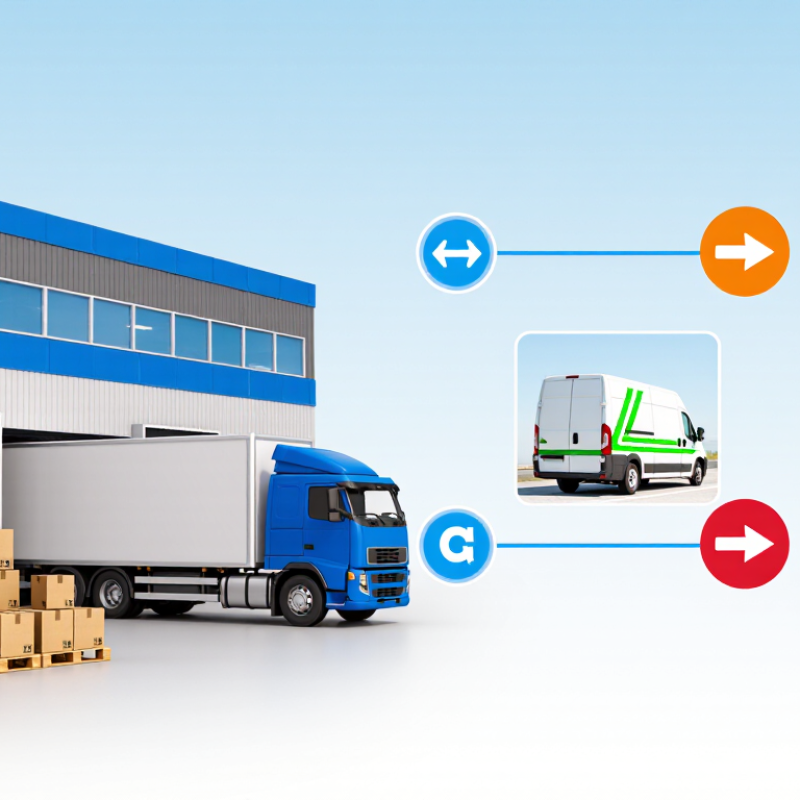
Table of Contents [Hide]
Definition and Core Meaning of US Overseas Warehouse DDP Delivery
What Is US Overseas Warehouse DDP Delivery?
US overseas warehouse DDP delivery means goods are stored in a warehouse located in the United States. The seller arranges delivery to the buyer’s named address. Under Delivered Duty Paid rules, the seller generally manages export procedures, import clearance, duties, and applicable taxes. The buyer usually receives the parcel without paying separate import charges upon delivery.
The core meaning is cost and responsibility control. For example, a product may leave a US warehouse in a domestic delivery vehicle. However, the seller must have handled the earlier international shipment and import process. The seller also carries the delivery risk until the goods reach the agreed destination, ready for unloading. This arrangement can make costs easier to estimate. It may also shorten delivery time.
DDP is not a magic label. Duties, state taxes, customs records, and address restrictions still require careful checking. A seller should confirm the named delivery place, included charges, and treatment of returns in writing. Product classification must also be accurate. A wrong description can create delays or unexpected costs, even when DDP appears on the order.
The process sounds simple. It is not always simple.
In practice, warehouse staff should match inventory records with invoices and shipping documents. Buyers should review whether the quoted price truly includes every promised charge. The term can reduce confusion, but only when both parties define it precisely.